





















Pregnant women have unique physiological conditions. Once an infection occurs, pathogens may cross the placenta via the genital tract or blood circulation and trigger intrauterine fetal infection. Therefore, the selection of antibacterial medications is of critical importance. Rational medication can effectively control maternal infection while minimizing adverse drug reactions to the fetus. Which antibacterial agents are relatively safe for use in pregnancy? What are the major adverse effects of antibiotics on fetuses? How to select appropriate antibacterial drugs based on infection types?
I. Selection of Antibacterial Drugs in Pregnancy
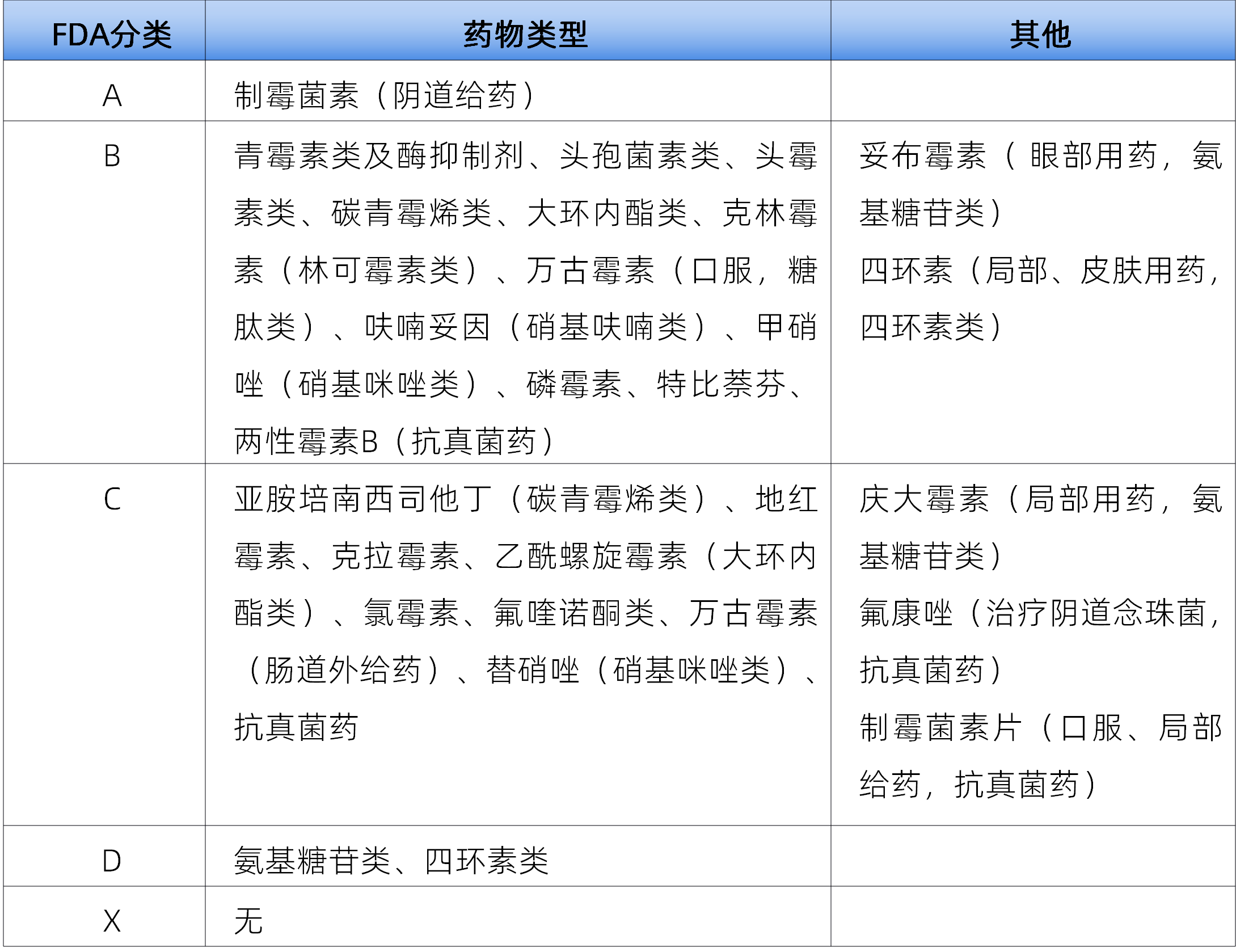
The FDA once classified the risk of medications for pregnant women into five categories: A, B, C, D and X. Category A drugs have been proven free of medication risks in clinical studies involving pregnant women and can be safely administered throughout gestation. For Category B drugs, animal experiments have yielded no evidence of hazards to humans, yet human clinical trial data remain insufficient, allowing selective clinical application[1]. Although this classification system has been phased out by the FDA and replaced by the Pregnancy and Lactation Labeling Rule (PLLR) in 2015, it retains profound clinical reference value and still serves as a preliminary assessment standard for medication use during pregnancy. Antibacterial drugs cover a wide range of varieties, with stark disparities in their corresponding pregnancy risk ratings.
The risk stratification of antibacterial agents under the A-X classification system is presented as follows[2-3]:
A 2025 review on the safe use of antibiotics in pregnancy supplemented safety data for several antibacterial drugs[4]:
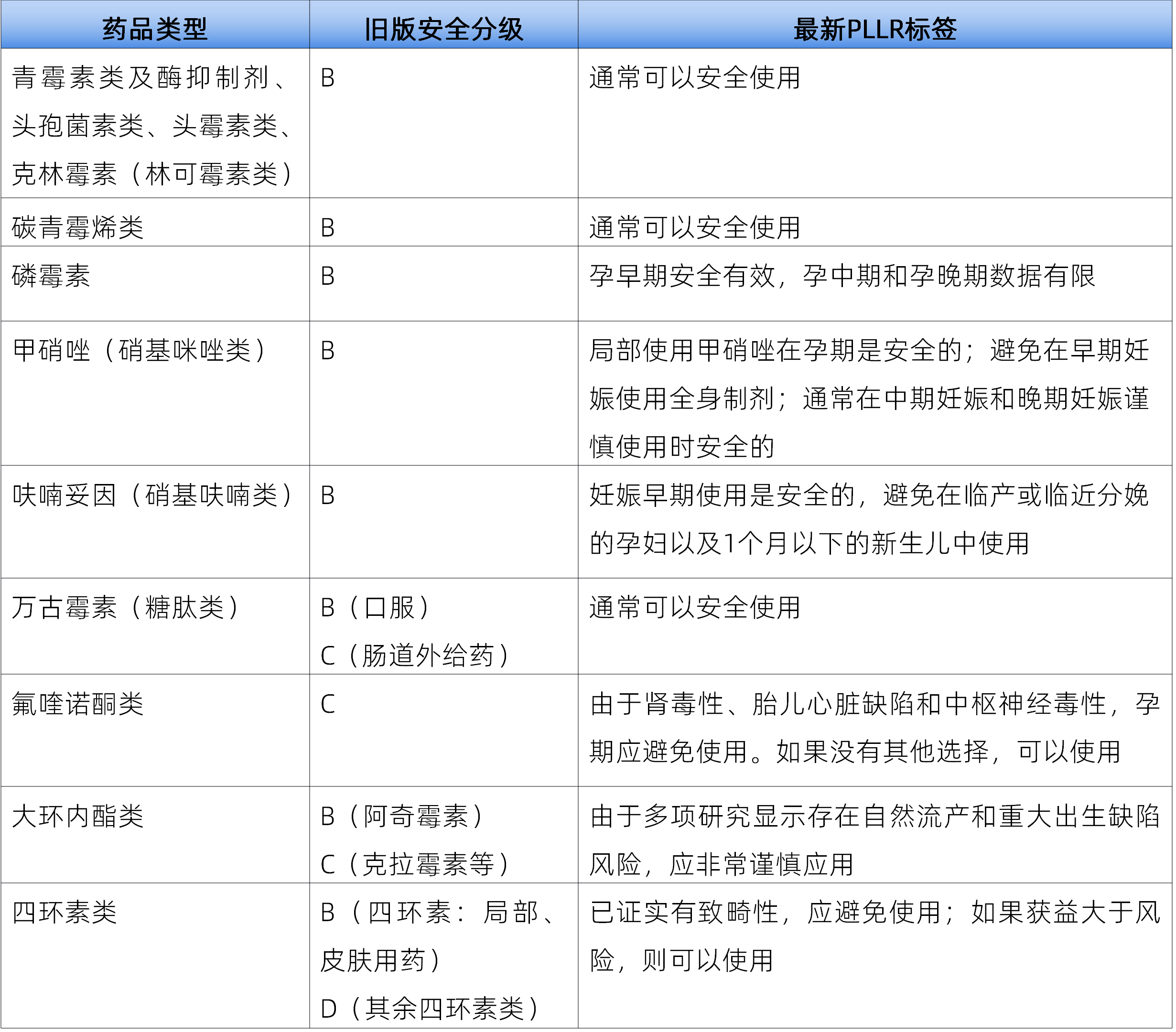
It can be concluded that drugs falling under Category A and B deliver superior safety for gestational use per the two classification criteria, including penicillins and cephalosporins.
II. Choosing Safe Antibacterial Agents by Infection Type
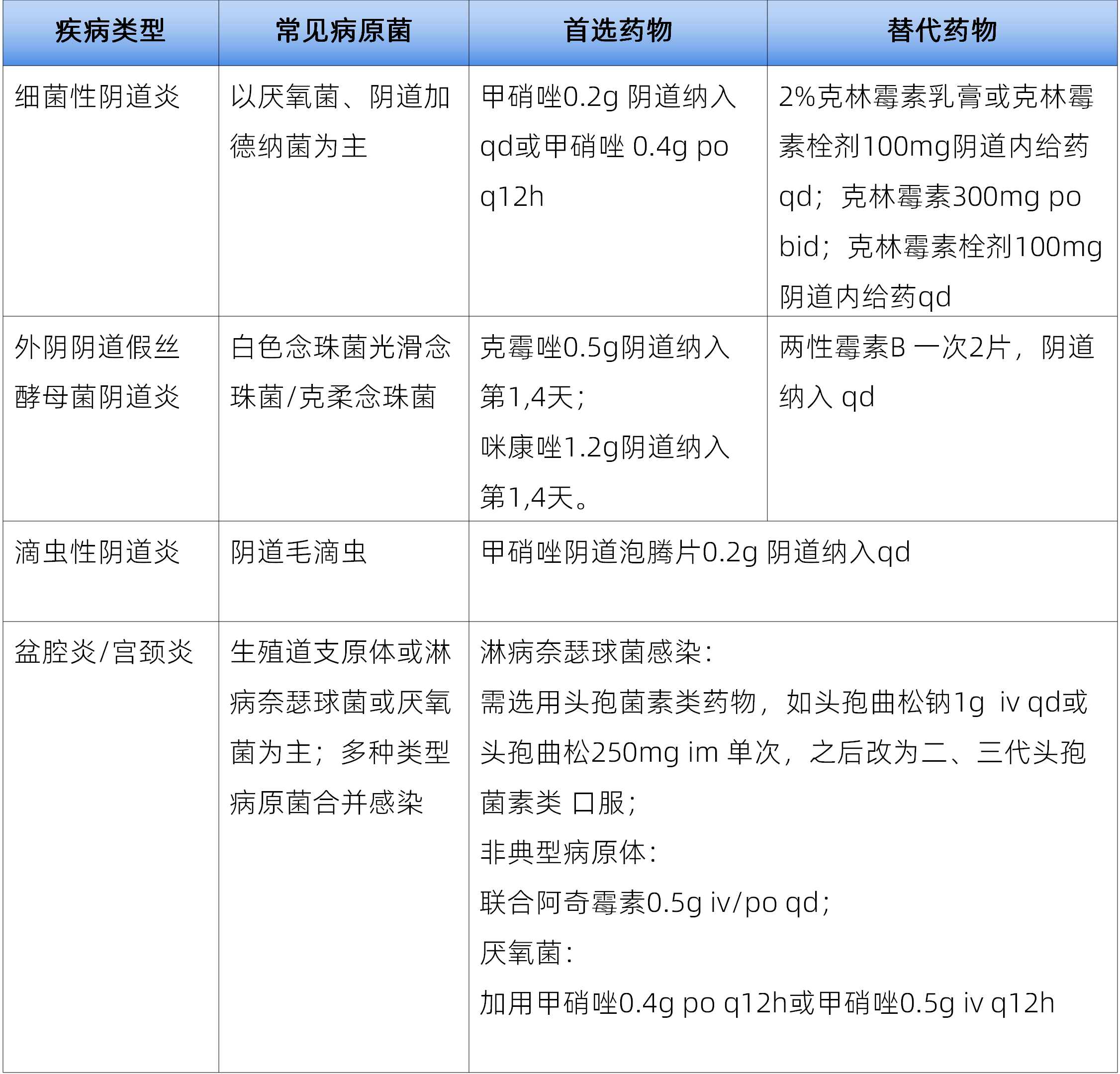
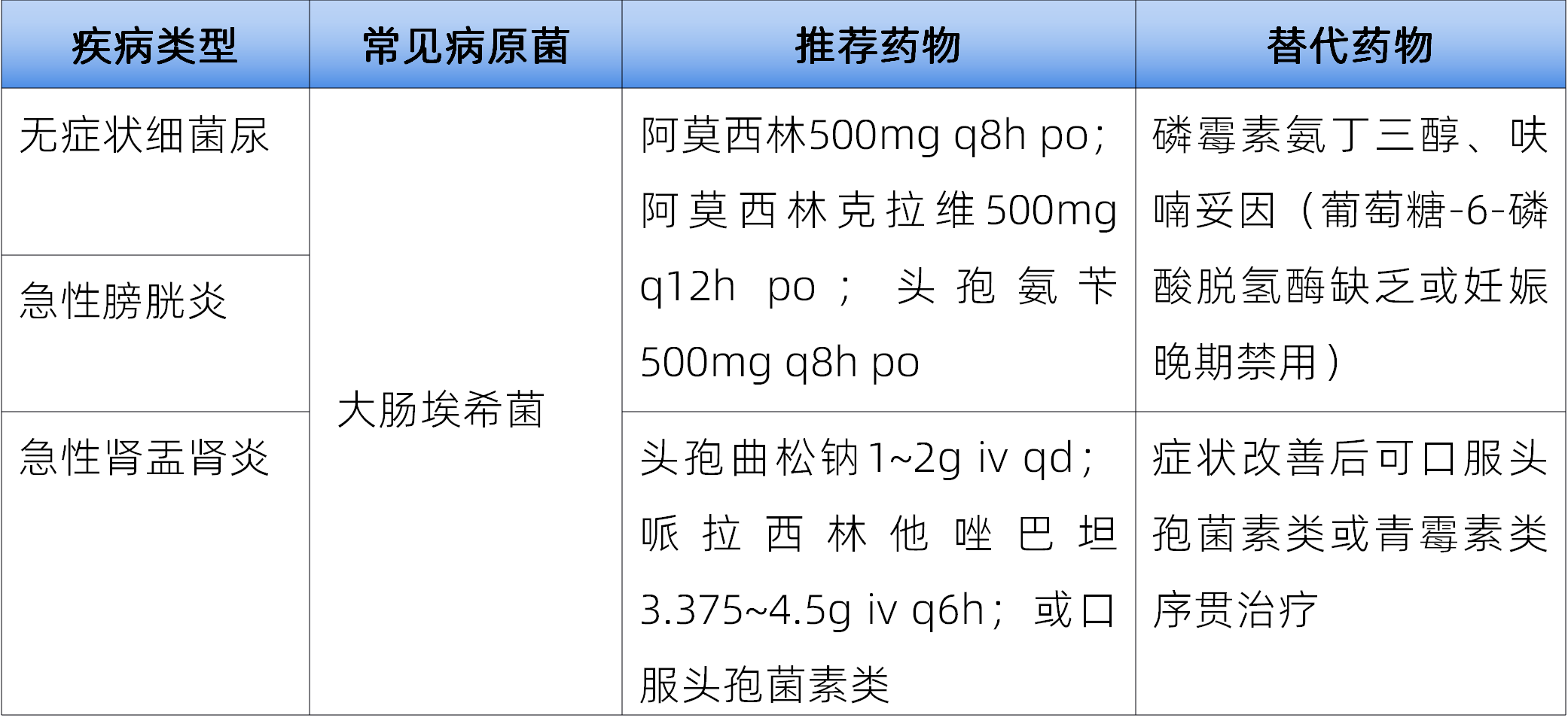
In clinical practice, the selection of antibiotics is comprehensively determined by the predominant pathogenic bacteria at the infection site and drug susceptibility test results. The core principle for antibiotic administration during pregnancy is to effectively manage maternal infection while mitigating potential fetal risks to the greatest extent. Below are several common infectious diseases encountered in gestation:
1、Gynecologic Genital Tract Infections[2,3,5,6]
2、Urinary Tract Infections[3,7]
3、 Respiratory Tract Infections[3]
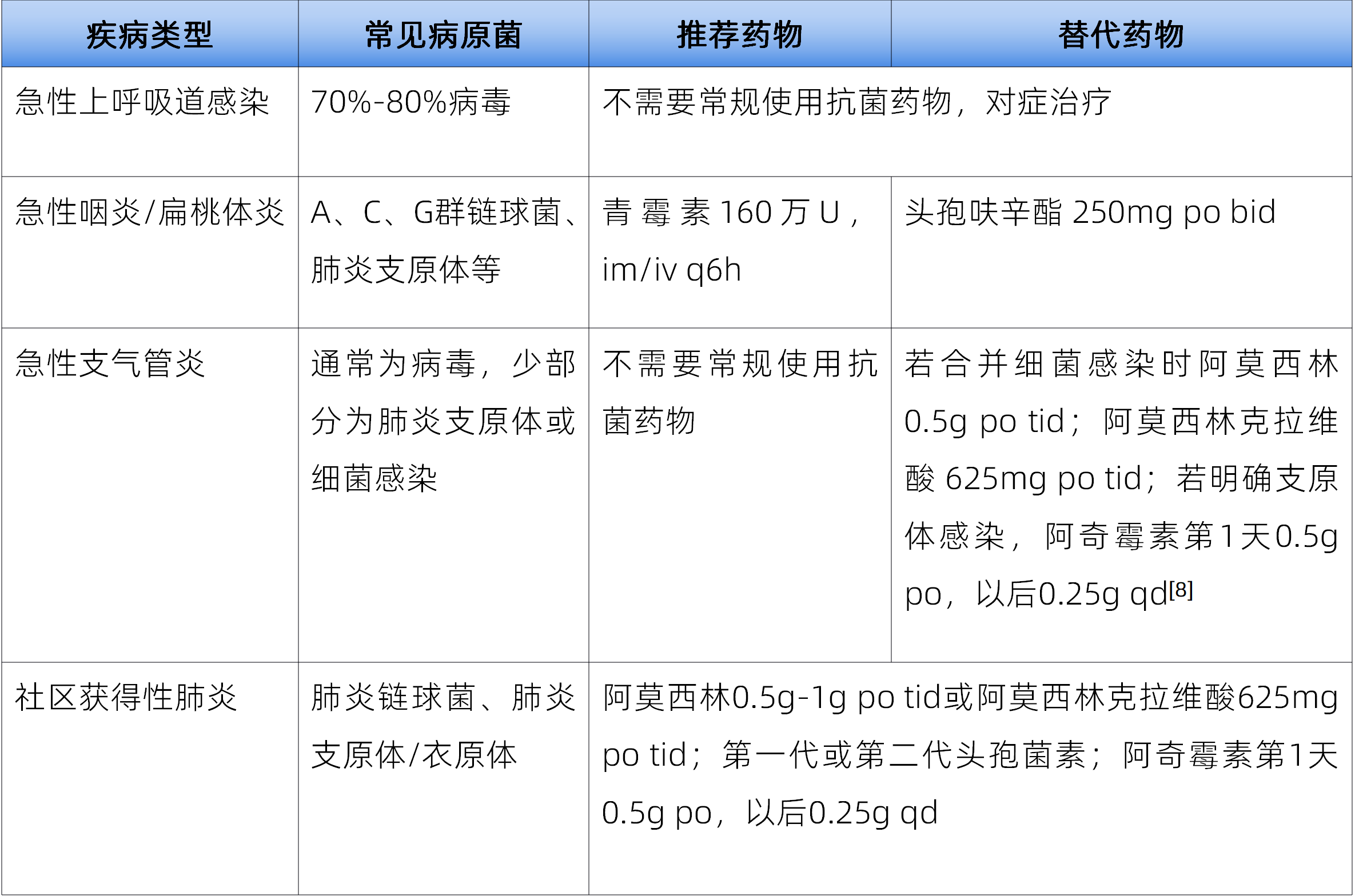
Medication use in pregnancy is never a trivial matter, as antibiotic selection directly bears on maternal and fetal safety. Clinically, low-risk drugs such as penicillins and cephalosporins are prioritized. Antibiotics carrying teratogenic or organ-damaging risks should be avoided whenever possible. For antifungal agents like clotrimazole and miconazole, as well as anaerobicides such as metronidazole, vaginal topical formulations are preferred during pregnancy. Oral metronidazole may be cautiously prescribed in the second and third trimesters based on actual disease conditions.
Reminders for All Expectant Mothers
Never purchase and take medicines on your own when infected during pregnancy. Always seek guidance from professional physicians to receive individualized medication regimens tailored to infection type, gestational age and personal physical status. This approach controls maternal inflammation while safeguarding fetal safety to the maximum.
References
[8] Chinese Medical Association, Clinical Pharmacy Branch of Chinese Medical Association, Chinese Medical Journal Press, et al. Grassroots Guidelines for Rational Medication in Acute Upper Respiratory Tract Infections[J]. Chinese Journal of General Practitioners, 2020, 19(08):689-697.
Author Profile