





















Estrogen and progesterone play pivotal roles in female development, reproduction, and overall health regulation. Related pharmaceutical agents are widely utilized in clinical practice for gynecological hormone supplementation, assisted reproductive technology (ART), and fertility preservation (note: estrogen-progestogen contraceptives fall outside the scope of this consensus). Estrogen and progesterone exhibit dual agonistic and antagonistic interactions; compared with single-agent preparations, combined formulations facilitate standardized prescribing and enhance patient compliance. The estradiol and dydrogesterone combined preparation contains hormones structurally identical to endogenous human hormones and is available in both sequential and continuous combination regimens, allowing for broad clinical application. In response to the growing clinical demands driven by the healthy aging initiative and the construction of a fertility-friendly society, the Menopause Medical Education Committee of the China Medicine Education Association organized a panel of experts to formulate this Chinese Expert Consensus on the Clinical Application of Estradiol and Dydrogesterone Combined Preparation (2026 Edition), aiming to standardize its scientific and rational use and safeguard women's health across the entire lifecycle.
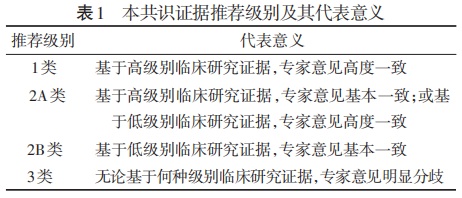
The evidence recommendation levels adopted in this consensus and their corresponding definitions are presented in Table 1.
Pharmacological Characteristics
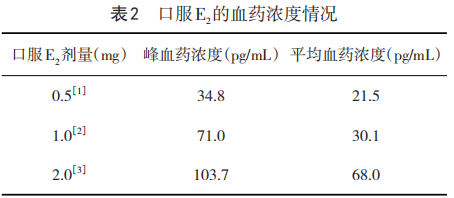
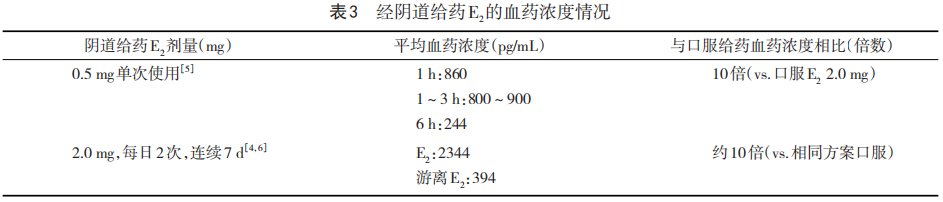
The estrogen component of the estradiol and dydrogesterone combined preparation is 17β-estradiol, a natural estrogen whose chemical structure and biological activity are completely identical to endogenous human estradiol. Oral micronized 17β-estradiol is rapidly absorbed from the gastrointestinal tract; plasma concentration-time profiles for different dosing regimens are detailed in Table 2. The elimination half-life ranges from 10 to 16 hours. Following regular daily oral administration, steady-state plasma concentrations of estradiol are achieved after 5 consecutive days. Furthermore, the vaginal mucosa can directly absorb estradiol; the first-pass metabolism of estradiol administered via the vaginal route is extremely low, and the corresponding plasma concentrations are shown in Table 3.
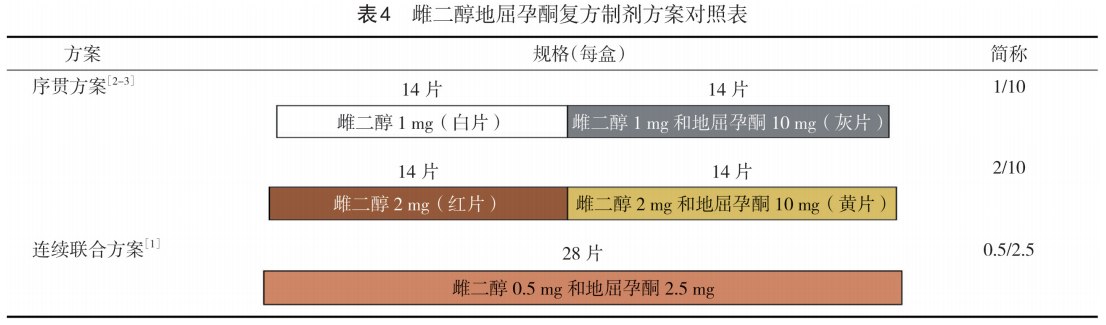
The progestogenic component of the estradiol and dydrogesterone combined preparation is dydrogesterone, a selective progesterone highly similar in biological properties to natural progesterone. Its core active metabolite is dihydrodydrogesterone (DHD), which exerts exclusively progestogenic effects without estrogenic, androgenic, or glucocorticoid activity. Dydrogesterone is primarily metabolized in the liver, and its endometrial transformation efficacy is 10 to 20 times that of micronized progesterone. When used according to standardized protocols with adequate dosage and duration, it fully transforms proliferative-phase endometrium, and recommended doses do not suppress ovulation. The preparation is rapidly absorbed orally, reaching steady-state plasma concentrations after 3 consecutive days of administration. Conventional laboratory assays cannot easily detect dydrogesterone and its active metabolites; quantification requires liquid chromatography-tandem mass spectrometry (LC-MS/MS), and routine clinical monitoring of plasma concentrations is unnecessary. The fixed-dose combination facilitates standardized dosing and improves patient compliance. This combination includes both sequential and continuous-combined regimens, as detailed in Table 4.
Clinical Applications
(I) Clinical Applications in Hormone Replacement Therapy
Natural Menopause and Menopausal Syndrome
The core essence of menopause is ovarian failure. The decline, progressive decrease, and eventual deficiency of estrogen levels triggered by ovarian aging can induce a series of menopause-related symptoms, including menstrual irregularities, vasomotor symptoms (hot flashes and night sweats), sleep disturbances, mood swings, and generalized musculoskeletal pain, while significantly elevating the risk of metabolic diseases in women. Current clinical evidence confirms that Menopausal Hormone Therapy (MHT) is the only intervention capable of comprehensively alleviating various health issues caused by estrogen deficiency after menopause. MHT compensates for age-related ovarian decline through exogenous hormone supplementation. Clinical application must strictly adhere to the principle of individualization to maximize clinical benefits and minimize potential risks. Furthermore, MHT preferentially utilizes natural or near-natural estrogen and progestogen preparations to ensure medication safety and efficacy.
➱ Indications for Menopausal Hormone Therapy (MHT)
(1) Alleviation of various menopause-related somatic, psychological, and emotional symptoms;
(2) Relief of a series of discomforts caused by the Genitourinary Syndrome of Menopause (GSM);
(3) Management of individuals with high risk of osteoporosis, low bone mass, postmenopausal osteoporosis, or risk of fragility fractures;
(4) Treatment of hypoestrogenic states caused by various etiologies.
➱ Contraindications for Menopausal Hormone Therapy (MHT)
(1) Confirmed or suspected pregnancy;
(2) Unexplained abnormal vaginal bleeding;
(3) Confirmed or suspected breast cancer;
(4) Confirmed or suspected other sex steroid-dependent malignant tumors;
(5) Active arterial or venous thromboembolic disease occurring within the past 6 months;
(6) Severe hepatic or renal impairment.
➱ Follow-up Management Requirements
Individuals undergoing MHT intervention require standardized and regular follow-up, including a comprehensive individualized benefit-risk assessment at least once a year, with dynamic adjustment of the therapeutic regimen.
For healthy perimenopausal and early postmenopausal women, a standard-dose or low-dose estrogen combined with dydrogesterone sequential regimen is recommended. For healthy late postmenopausal women, a low-dose estrogen combined with dydrogesterone continuous-combined regimen is recommended. Relevant guidelines worldwide suggest that dydrogesterone should be prioritized in estrogen-progestogen combined MHT regimens.
Clinical studies have confirmed that the 2/10 and 1/10 estrogen-progestogen sequential regimens can significantly reduce the modified Kupperman Menopausal Index (mKMI) and Menopause Rating Scale (MRS) scores, re-establish regular bleeding cycles, effectively alleviate menopause-related discomforts such as hot flashes, insomnia, depression, and anxiety, and simultaneously increase lumbar spine and femoral neck bone mineral density (BMD). For postmenopausal women, the 0.5/2.5 continuous-combined regimen can significantly optimize MRS scores and improve vasomotor symptoms.
Expert Consensus Statement:
The estradiol and dydrogesterone combined preparation is unanimously recommended by domestic and international guidelines. It effectively improves menopause-related symptoms and enhances bone mineral density. For women with an intact uterus who are in perimenopause or early postmenopause and desire menstruation-like withdrawal bleeding, the 2/10 or 1/10 sequential regimen can be individually selected based on factors such as the patient's age and severity of symptoms. For women more than one year after menopause without the need for cyclic bleeding, the 0.5/2.5 continuous-combined regimen is recommended. All three combination preparations follow a 28-day therapeutic cycle of continuous daily dosing, with the next cycle starting directly on day 29 without any treatment-free interval (Recommendation Level: Class 1).
Premature Hypoestrogenic States
1. Premature Ovarian Insufficiency (POI) and Early Menopause
Premature Ovarian Insufficiency (POI) is defined as the occurrence of ovarian dysfunction before the age of 40, which is significantly distinct from physiological natural menopause. In addition to compromising fertility, emotional and psychological status, and quality of life, POI exerts more prominent adverse effects on multiple systems including skeletal, cardiovascular, genitourinary, and cognitive functions. Hormone Replacement Therapy (HRT) can not only effectively alleviate hypoestrogenism-related discomforts but also confer preventive benefits against cardiovascular diseases and osteoporosis. It is recommended that POI patients without contraindications initiate HRT and continue the intervention until the average natural menopausal age of the general population (approximately 50 years old). Individuals experiencing early menopause between 40 and 45 years old face higher health risks compared to age-appropriate menopausal women and warrant focused clinical attention.
Relevant guidelines worldwide unanimously propose that POI patients without contraindications should initiate HRT as early as possible, maintaining treatment until the average natural menopausal age, after which subsequent management can follow the MHT regimen for naturally menopausal women.
Clinical research evidence indicates that HRT is beneficial for maintaining cardiovascular health in POI patients, regulating systolic and diastolic blood pressure, and improving vascular endothelial function. Simultaneously, HRT exerts bone-protective effects in POI and early menopause populations, reducing the risk of osteoporosis and fragility fractures; notably, the 2/10 sequential regimen can significantly increase bone mineral density in POI patients.
Expert Consensus Statement:
The 2/10 sequential regimen can be selected for HRT in POI and early menopause populations. When approaching the average natural menopausal age, the regimen can be switched to the 1/10 sequential preparation. HRT must be sustained until the average natural menopausal age; subsequently, if treatment is still required, it can be converted to MHT, and the dosing strategy should be individualized with reference to the treatment regimen for naturally menopausal women (Recommendation Level: Class 2A).
2. Hypothalamic-Pituitary Amenorrhea and Turner Syndrome
Functional hypothalamic-pituitary amenorrhea belongs to the category of hypogonadotropic (Gn) amenorrhea, characterized by generally low levels of endogenous estrogen and progesterone. Clinically, an estrogen-progestogen sequential regimen can be employed to establish an artificial menstrual cycle. When weight drops below 85% of standard body weight in patients with anorexia nervosa, weight-loss-related amenorrhea is easily induced. Administering physiological doses of estrogen supplementation can exert a positive regulatory effect on the suppressed hypothalamic-pituitary-ovarian (HPO) axis, aiding in the recovery of ovarian function and the resumption of menstruation. Turner syndrome is a disease caused by sex chromosome aberrations, with typical clinical manifestations including short stature and gonadal dysgenesis. The core of its treatment lies in ensuring normal growth and development, inducing pubertal development, maintaining female secondary sexual characteristics, achieving peak bone mass reserves, and conducting fertility-related protective management.
Domestic guidelines and expert consensuses suggest that for patients with primary amenorrhea lacking secondary sexual characteristics, such as those with Turner syndrome, induction of puberty with estrogen alone can be initiated once height growth basically reaches the target or when bone age is between 11 and 13 years old. Initial treatment involves low-dose estradiol at 0.5 mg once daily or every other day, with follow-up evaluations every 6 months and stepwise dose escalation. Over 2 to 3 years, the dose is gradually titrated up to the adult standard physiological dose of 2–4 mg/day. If breakthrough bleeding occurs, switch to an estrogen-progestogen sequential regimen to establish an artificial cycle, for which the 2/10 sequential preparation may be chosen. If the patient still has growth potential, the duration of low-dose estrogen maintenance can be appropriately extended. For those starting intervention at an older age, the process of escalating to the adult dose and transitioning to an artificial cycle can be shortened. For individuals with anorexia nervosa, if menstruation has not returned after 6 to 12 months of intervention and weight regain, or if they cannot cooperate with behavioral and psychological interventions, individualized hormone replacement therapy should be incorporated into the comprehensive diagnosis and treatment plan.
Clinical research evidence confirms that estrogen-progestogen sequential therapy can promote breast development and regular withdrawal bleeding in Turner syndrome patients while significantly increasing bone mineral density. The 2/10 sequential regimen can effectively improve bone mineral density in populations with various hypoestrogenic states, including hypothalamic amenorrhea and Turner syndrome.
Expert Consensus Statement:
Patients with functional hypothalamic-pituitary amenorrhea and Turner syndrome require initial induction of puberty with estrogen alone, followed by conversion to an estrogen-progestogen sequential regimen (1/10 or 2/10 sequential preparations) to establish an artificial menstrual cycle. This approach promotes and maintains gonadal development and female secondary sexual characteristics while enhancing bone mineral density (Recommendation Level: Class 1).
3. Induced (Artificial) Menopause
Induced menopause refers to the permanent failure of ovarian function caused by iatrogenic factors such as surgery, radiotherapy, or chemotherapy before a woman reaches the physiological age of menopause. In such populations, the abrupt loss of ovarian function makes them more susceptible to severe menopause-related discomforts, with significantly elevated risks of vasomotor symptoms, cardiovascular disease, and osteoporosis.
International guidelines suggest that induced menopausal women under 45 years old without treatment contraindications should initiate HRT and maintain it until the average natural menopausal age. Domestic and international guidelines jointly recommend that induced menopausal women with a history of endometriosis can be treated with an estrogen-progestogen continuous-combined regimen, such as the 0.5/2.5 continuous-combined preparation.
Clinical studies confirm that HRT can effectively alleviate a series of menopause-related symptoms in induced menopausal women, including hot flashes, hyperhidrosis, insomnia, and emotional irritability. Among these, the 2/10 sequential regimen can significantly increase bone mineral density in this population.
Expert Consensus Statement:
The application of the estradiol and dydrogesterone combined preparation in induced menopausal women without contraindications can effectively improve menopause-related symptoms and increase bone mineral density. Clinically, the benefits and risks must be comprehensively weighed by integrating the patient's primary disease, past medical history, uterine retention status, and personal treatment诉求 (appeals) to individually select either estrogen-alone, estrogen-progestogen sequential, or continuous-combined regimens (Recommendation Level: Class 2A).
4. GnRH Agonist (GnRH-a)-Induced Hypoestrogenic State
Gonadotropin-releasing hormone agonists (GnRH-a) are clinically applied across various gynecological diseases. Their primary adverse effect is hypoestrogenism-related discomfort, and long-term medication carries the risk of bone loss. Combining add-back therapy can effectively alleviate the aforementioned discomforts. Add-back therapy relies on the "estrogen window hypothesis," which posits supplementing low-dose estrogen to maintain circulating estrogen levels within a range that neither weakens the therapeutic efficacy of GnRH-a nor induces menopause-related symptoms or bone loss. Domestic and international guidelines and expert consensuses unanimously recommend synchronous add-back therapy when using GnRH-a for endometriosis, for which the 0.5/2.5 continuous-combined regimen is an option.
Clinical research evidence demonstrates that combining 0.5 mg/day estradiol plus dydrogesterone add-back therapy during GnRH-a treatment for endometriosis patients can significantly alleviate endometriosis-related pain. Compared to GnRH-a alone, this combination markedly mitigates hypoestrogenism-related discomforts while effectively protecting bone mineral density and reducing bone loss.
Expert Consensus Statement:
When employing GnRH-a combined with add-back therapy, the 0.5/2.5 continuous-combined regimen can be selected. This regimen does not compromise the clinical efficacy of GnRH-a while alleviating hypoestrogenism-related symptoms, stabilizing bone mineral density, and preventing bone loss (Recommendation Level: Class 1).
(II) Clinical Applications in Assisted Reproductive Technology
Endometrial Preparation and Luteal Support for Frozen-Thawed Embryo Transfer (FET)
The hormone replacement cycle is a commonly used endometrial preparation protocol for Frozen-Thawed Embryo Transfer (FET) in clinical practice, applicable to a wide range of patients, especially those with menstrual irregularities, ovulatory dysfunction, and thin endometrium. Through the sequential regulation of endometrial proliferation and transformation by estrogen and progestogen, the timing of embryo thawing and transfer can be precisely scheduled, while progesterone concurrently provides luteal support. Domestic guidelines and expert consensuses recommend estradiol and dydrogesterone for endometrial preparation and transformation during embryo transfer cycles, as it optimizes endometrial blood flow and improves pregnancy outcomes. Dydrogesterone is also recommended for luteal support therapy.
Clinical studies confirm that initiating oral administration of the 2/10 sequential red tablets in the early follicular phase of the menstrual cycle, starting at a dose of 2–4 mg/day (adjustable up to 8 mg/day if necessary), followed by switching to the corresponding dose of 2/10 sequential yellow tablets to complete endometrial transformation once the endometrium reaches ideal thickness, can thicken the endometrium, improve sub-endometrial blood perfusion, and elevate the embryo implantation rate and clinical pregnancy rate. For patients with thin endometrium or poor response to oral estrogen endometrial preparation, switching to or combining with vaginal administration of the single-estrogen component from the 1/10 or 2/10 sequential preparations can be considered. After clinical pregnancy is achieved following embryo transfer, the regimen used for endometrial transformation can be continued for luteal support.
Expert Consensus Statement:
The 1/10 and 2/10 sequential preparations can be applied for endometrial preparation and luteal support in hormone replacement cycles for frozen-thawed embryo transfer. They effectively increase endometrial thickness, optimize endometrial blood perfusion, and improve embryo implantation and clinical pregnancy rates (Recommendation Level: Class 2A).
Correcting the Adverse Effects of Clomiphene Citrate on the Endometrium During Ovulation Induction for Infertility
Ovulatory dysfunction is one of the main causes of female infertility. Clomiphene citrate is a first-line clinical ovulation induction agent; however, it possesses estrogen antagonistic effects, often leading to a discrepancy between high ovulation rates and relatively low clinical pregnancy rates. Domestic expert consensuses propose that combining clomiphene citrate with synchronous estrogen administration can mitigate its inhibitory effect on endometrial proliferation.
Clinical research evidence indicates that infertile patients with ovulatory dysfunction receiving three consecutive cycles of clomiphene citrate combined with the oral 1/10 sequential regimen show, compared to clomiphene citrate alone, significantly optimized sex hormone levels, increased endometrial thickness and dominant follicle diameter, and synchronously elevated ovulation and clinical pregnancy rates.
Expert Consensus Statement:
When using clomiphene citrate for ovulation induction in infertile patients with ovulatory dysfunction, administering the white tablets of the 1/10 sequential preparation orally after taking clomiphene citrate in the early follicular phase can alleviate the adverse effects of clomiphene on the endometrium. After ovulation, switching to the gray tablets of the 1/10 sequential preparation not only mitigates the drug's negative impact on the endometrium but also simultaneously provides luteal support (Recommendation Level: Class 2B).
Pre-Ovulation Induction Pretreatment for Hypothalamic-Pituitary Amenorrhea Patients with Fertility Desires
Amenorrhea caused by hypothalamic-pituitary dysfunction is known as central amenorrhea, characterized primarily by hypogonadotropic hypogonadism. Patients often suffer from chronic anovulation and insufficient estrogen secretion, leading to infertility. Ovulation induction or controlled ovarian hyperstimulation can help this population achieve pregnancy. Domestic expert consensuses recommend using an estrogen-progestogen sequential regimen for pretreatment before ovulation induction.
Clinical research confirms that administering an estrogen-progestogen sequential regimen for 3 cycles as pretreatment to hypothalamic-pituitary amenorrhea patients with fertility desires can restore regular menstruation and promote uterine volume enlargement. Subsequently, when initiating ovulation induction therapy, the number of dominant follicles increases, helping to improve the clinical pregnancy rate.
Expert Consensus Statement:
For patients with hypothalamic-pituitary amenorrhea who have fertility desires, pretreatment with the 2/10 sequential regimen for 3 consecutive cycles is recommended prior to ovulation induction (Recommendation Level: Class 2A).
Pretreatment for Natural Conception, Ovulation Induction, and Pre-Donor Egg Receipt in POI Patients with Fertility Desires
Patients with Premature Ovarian Insufficiency (POI) mostly experience declined fertility or even infertility. Whether expecting natural conception or planning to receive donor egg in vitro fertilization-embryo transfer (IVF-ET) assistance, preoperative HRT pretreatment helps maintain the body's healthy state and the normal physiological environment of internal and external reproductive organs, simulating a physiological menstrual cycle to create favorable conditions for pregnancy. International guidelines point out that for early-stage POI women with fluctuating ovarian function and a desire for natural pregnancy, using a sequential HRT regimen does not reduce the probability of natural conception. Existing case data indicate that after 5 cycles of pretreatment with the 2/10 sequential regimen, POI patients achieved natural pregnancy during the third ovulation induction cycle and successfully delivered a live birth.
Expert Consensus Statement:
POI patients with fertility desires can choose the 2/10 sequential regimen for pretreatment. This regimen not only creates physiological conditions suitable for natural pregnancy but also improves the clinical outcomes of ovulation induction in natural cycles, donor egg-assisted reproduction (Recommendation Level: Class 2A).
(III) Clinical Applications in Endometrial Repair for Fertility Preservation
Promoting Endometrial Repair After Induced Abortion
Induced abortion procedures can easily cause mechanical damage to the basal layer of the endometrium and trigger intrauterine inflammatory lesions and infections, hindering endometrial repair. Poor injury repair can secondarily lead to thin endometrium and Intrauterine Adhesions (IUA), severely damaging long-term fertility in serious cases. For high-risk populations of post-abortion endometrial injury, appropriate regimens must be adopted to promote the repair of uterine cavity anatomical morphology and endometrial tissue, thereby preserving fertility. Domestic guidelines and expert consensuses recommend using estrogen-progestogen sequential regimens after induced abortion to promote endometrial repair, restore normal menstruation, and prevent the occurrence of intrauterine adhesions.
Clinical studies confirm that applying the 2/10 sequential regimen after induced abortion can significantly thicken the endometrium, shorten the duration of postoperative vaginal bleeding and menstrual recovery time, and effectively reduce the risk of intrauterine adhesion formation.
Expert Consensus Statement:
The 2/10 sequential regimen can be selected after induced abortion to promote endometrial repair. This regimen thickens the endometrium, restores regular menstrual cycles, and reduces the risk of intrauterine adhesions (IUA). It is recommended to initiate medication on the day of surgery, continuing for 1 to 3 courses of treatment (Recommendation Level: Class 2A).
Promoting Endometrial Repair After Intrauterine Adhesion (IUA) Surgery
Restoring reproductive function is the core goal of Intrauterine Adhesion (IUA) treatment. For patients with infertility, recurrent miscarriage, or scant menstruation who have fertility诉求 (appeals), hysteroscopic adhesiolysis is the preferred surgical modality. Postoperative emphasis must be placed on preventing adhesion recurrence and promoting endometrial regeneration and repair to improve reproductive prognosis. Domestic and international guidelines and expert consensuses unanimously suggest that using an estrogen-progestogen sequential regimen after hysteroscopic adhesiolysis can promote endometrial proliferation and regeneration, reduce postoperative re-adhesion, and lower the risk of disease recurrence.
Clinical studies indicate that after hysteroscopic Intrauterine Adhesion (IUA) adhesiolysis, interventions can follow two dosing regimens: One involves oral administration of the 2/10 sequential preparation, taken sequentially as red and yellow tablets, 1–2 tablets daily. The other involves initial vaginal administration of the white tablets of the 1/10 sequential preparation for 12 weeks, followed by daily oral administration of 2 gray tablets of the same regimen for 10 consecutive days. Both methods can thicken the endometrium, improve menstrual status, reduce postoperative re-adhesion, and shorten the interval from preparing for pregnancy to successful conception.
Expert Consensus Statement:
To promote endometrial repair after hysteroscopic Intrauterine Adhesion (IUA) adhesiolysis, oral administration of the 2/10 sequential preparation can be initiated on the day of surgery, taken sequentially as red and yellow tablets, 1–2 tablets daily, for 1 to 3 consecutive cycles (Recommendation Level: Class 2A).
Safety Profile
Breast Cancer Risk
The risk of breast cancer related to Menopausal Hormone Therapy (MHT) is closely associated with the type of progestogen used. Multiple studies, including those by Fournier and Lyytinen, have confirmed that dydrogesterone carries a lower risk of breast cancer incidence compared to other synthetic progestogens. A real-world study involving over 600,000 samples showed that the estradiol-dydrogesterone regimen did not increase the risk of breast cancer across populations stratified by different ages and Body Mass Index (BMI). Relevant guidelines worldwide consistently indicate that MHT regimens containing dydrogesterone carry a lower breast cancer risk than those combined with other synthetic progestogens.
Expert Consensus Statement:
The risk of breast cancer associated with MHT depends on the type of progestogen used. Compared to other synthetic progestogens, dydrogesterone reduces the risk of breast cancer incidence (Recommendation Level: Class 1).
Endometrial Cancer Risk
When implementing MHT, adequate dosage and duration of progestogen must be paired to avoid excessive estrogenic stimulation of the endometrium, thereby achieving endometrial protection. Multiple studies confirm the favorable endometrial safety profile of the 1/10 and 2/10 sequential regimens. A meta-analysis showed no difference in the incidence of endometrial hyperplasia between the 0.5/2.5 continuous-combined regimen and placebo. Guidelines worldwide recommend pairing MHT with dydrogesterone to simultaneously ensure dual safety for both breast and endometrial health.
Expert Consensus Statement:
Selecting the estradiol and dydrogesterone combined preparation for MHT provides balanced estrogen-progestogen ratios, supplies sufficient progesterone for full-cycle endometrial protection, and does not increase the risk of endometrial cancer incidence (Recommendation Level: Class 1).
Cardiovascular Disease Risk
MHT is not recommended solely for the purpose of preventing coronary heart disease. However, the perimenopausal and early postmenopausal periods represent a "window of opportunity" for cardiovascular benefit from MHT, during which intervention can mitigate cardiovascular injury. Korean cohort studies confirm that the combination of estradiol and dydrogesterone can reduce the risk of cardiovascular disease incidence. The estradiol-dydrogesterone sequential regimen can improve blood lipid and glucose metabolism indicators, while the 0.5/2.5 continuous-combined preparation does not elevate total cholesterol or fasting blood glucose. International guidelines point out that compared to progestogens with strong androgenic activity, natural progesterone and dydrogesterone exert lower negative impacts on cardiometabolic health.
Expert Consensus Statement:
The estradiol and dydrogesterone combined preparation does not elevate cardiovascular risk factors such as blood glucose and lipids. Initiating this regimen during perimenopause and early postmenopause helps reduce the risk of cardiovascular disease incidence (Recommendation Level: Class 1).
Reproductive Safety
Estradiol (E2) is a natural estrogen whose chemical structure and biological activity are identical to endogenous human estradiol. Existing evidence has not found an association between the use of physiological doses of estradiol and the risk of birth defects in offspring. Dydrogesterone is a progesterone highly similar to natural progesterone, possessing a clinical application history of over sixty years with overall good safety and tolerability. Multiple high-quality evidence-based studies, including LOTUS I/II and REASSURE I/II, confirm that dydrogesterone does not increase the risk of pregnancy complications or fetal congenital anomalies.
A recent large-sample retrospective cohort study in the Chinese population confirmed that the application of dydrogesterone in early pregnancy does not elevate the risk of fetal congenital anomalies. While the 2024 Chinese Drug Exposure Birth Cohort (DEBC) study and the 2025 pharmacovigilance analysis based on the WHO VigiBase database suggested some risk signals related to certain birth defects, constrained by the inherent limitations of the studies themselves, a clear causal relationship between maternal drug exposure and adverse pregnancy outcomes could not be established, pending further corroboration by more large-scale, high-evidence-grade clinical studies.
Expert Consensus Statement:
Existing evidence-based data suggest that both dydrogesterone monotherapy and the estradiol-dydrogesterone combined preparation do not increase the risk of fetal congenital anomalies (Recommendation Level: Class 2B).
Disclaimer: This article is compiled from the Chinese Expert Consensus on the Clinical Application of Estradiol and Dydrogesterone Combined Preparation (2026 Edition) for medical knowledge reference only. It does not constitute clinical diagnosis, medication, or treatment advice. Specific treatment plans must be formulated by professional physicians in conjunction with individual circumstances.
Source: Menopause Medical Education Committee of China Medicine Education Association. Chinese Expert Consensus on the Clinical Application of Estradiol and Dydrogesterone Combined Preparation (2026 Edition)[J]. Chinese Journal of Practical Gynecology and Obstetrics, 2026, 42(5): 537-545.
Editor: Lily