





















Thrombocytopenia is a common hematological adverse reaction during gynecologic cancer treatment. It not only leads to treatment delays or dose reductions—thereby compromising antitumor efficacy—but also increases the risk of bleeding, which can be life-threatening in severe cases. Currently, the clinical management of Cancer Therapy-Induced Thrombocytopenia (CTIT) lacks high-level evidence-based medical data, relying historically on small-sample studies and experience from Chemotherapy-Induced Thrombocytopenia (CIT). In recent years, with the widespread use of targeted and immunotherapy, gynecologic oncology has entered a new era of improved efficacy. However, these agents also induce varying degrees of thrombocytopenia through mechanisms distinct from traditional CIT. Therefore, expanding the concept from "CIT" to "CTIT" and establishing systematic, standardized management protocols holds significant clinical importance. Thrombopoiesis-stimulating agents (TSAs) can prevent and treat CTIT, helping to reduce bleeding risk, decrease platelet transfusions, and avoid adverse events associated with blood products. The key to rational drug use lies in accurately mastering the mechanisms, indications, dosages, and courses of TSAs to maximize efficacy while minimizing toxicity. To this end, the Society of Gynecologic Oncology of the Chinese Medical Association organized experts to formulate this consensus based on existing evidence and clinical experience.
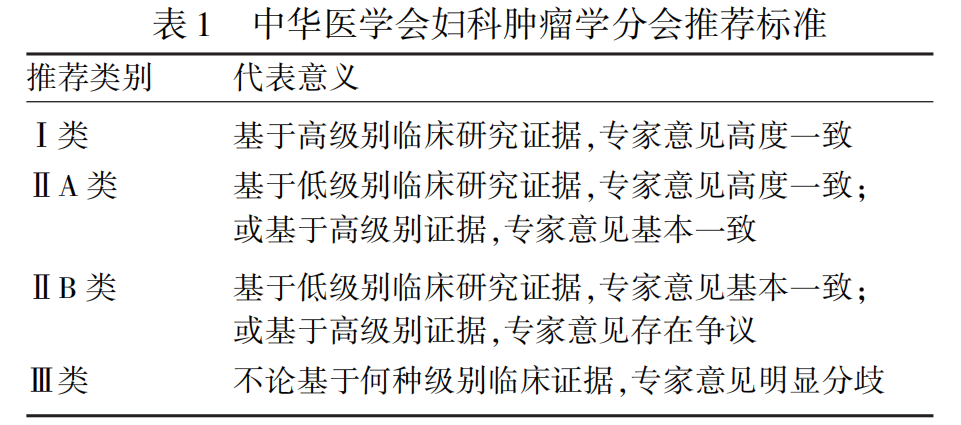
This guideline adopts the recommendation classification system endorsed by the Society of Gynecologic Oncology of the Chinese Medical Association (Table 1).
1. Overview
The three major gynecologic malignancies (cervical, endometrial, and ovarian cancers) account for approximately 14.4% of new global female malignancies and 12.6% in China, posing a serious threat to women's health. Bone marrow suppression is a common adverse effect of antitumor therapy, with thrombocytopenia being one of the most frequent dose-limiting toxicities. The incidence of CTIT during gynecologic cancer treatment is high. CTIT elevates bleeding risks, may necessitate platelet transfusions, prolong hospital stays, increase medical costs, and lead to reduced chemotherapy dose intensity and cycle delays. Ultimately, this affects antitumor efficacy, quality of life, and prognosis.
1.1 Definition and Diagnosis
1.1.1 Definition and Grading
CTIT is defined as a decrease in platelet production, increased destruction, or abnormal distribution caused by antitumor therapy, clinically defined as a peripheral blood platelet count <100 \times 10^9/L.
The grading criteria for thrombocytopenia severity refer to the National Cancer Institute Common Terminology Criteria for Adverse Events (CTCAE) version 5.0 (Table 2).

1.1.2 Diagnosis and Differential Diagnosis
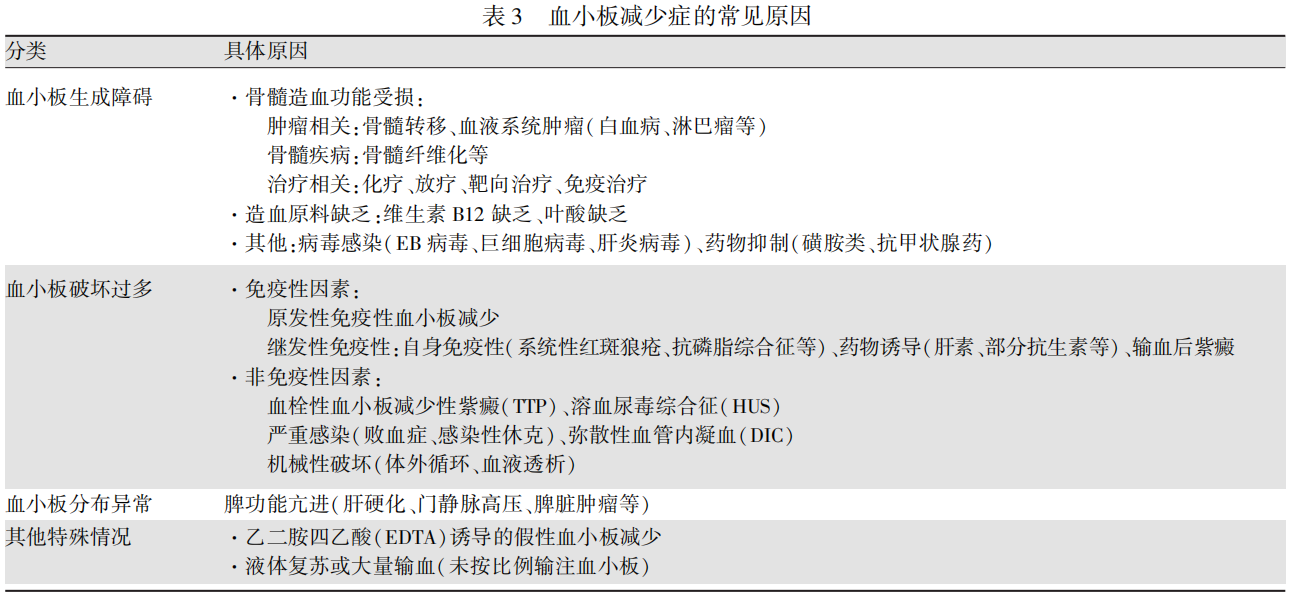
Various diseases or treatment-related factors can induce thrombocytopenia by affecting platelet generation, destruction, consumption, or distribution (Table 3). Diagnosing CTIT requires combining dynamic changes in platelet counts with the patient's antitumor treatment history. Based on detailed history taking, physical examination, and auxiliary tests, other non-treatment-related causes must be excluded.
Comprehensive history taking and physical examination help identify the etiology. History should cover duration, severity, bleeding manifestations, past medical history, medication history, alcohol use, pregnancy history, and family history. Physical examination focuses on bleeding signs, splenomegaly, facial erythema, and arthralgia. Peripheral blood tests are primary for counting platelets. Platelet morphology and immunology tests aid differential diagnosis, while bone marrow examination is indicated for unexplained cases or suspected primary hematological diseases.
The diagnostic workflow for CTIT includes: confirming a history of antitumor therapy capable of inducing thrombocytopenia; analyzing the pattern of decline (timing, values, recovery); performing necessary differential diagnosis; assessing bleeding risk; and finally grading severity to formulate individualized treatment and monitoring plans.
1.2 Pathogenesis and Epidemiology
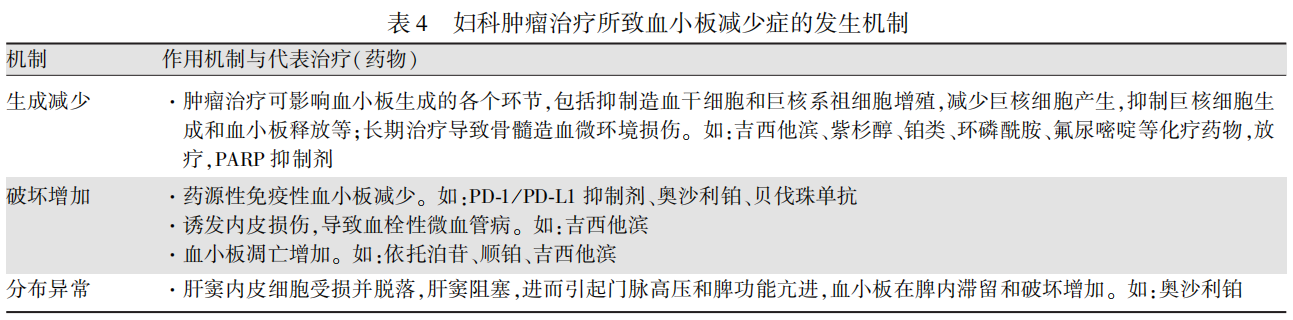
Gynecologic cancer treatments (chemotherapy, radiotherapy, targeted therapy, immunotherapy) can all induce thrombocytopenia. Risk is closely related to patient factors, tumor characteristics, and treatment regimens. The main mechanisms include decreased production, increased destruction, and abnormal distribution (Table 4).
Based on immune mediation, CTIT can be classified into:
1. Non-immune mediated: Direct toxic effects on bone marrow megakaryocytes or platelets, usually dose- and time-dependent.
2. Immune mediated: Increased platelet destruction mediated by abnormal immune mechanisms.
1.2.1 Chemotherapy-Induced Thrombocytopenia
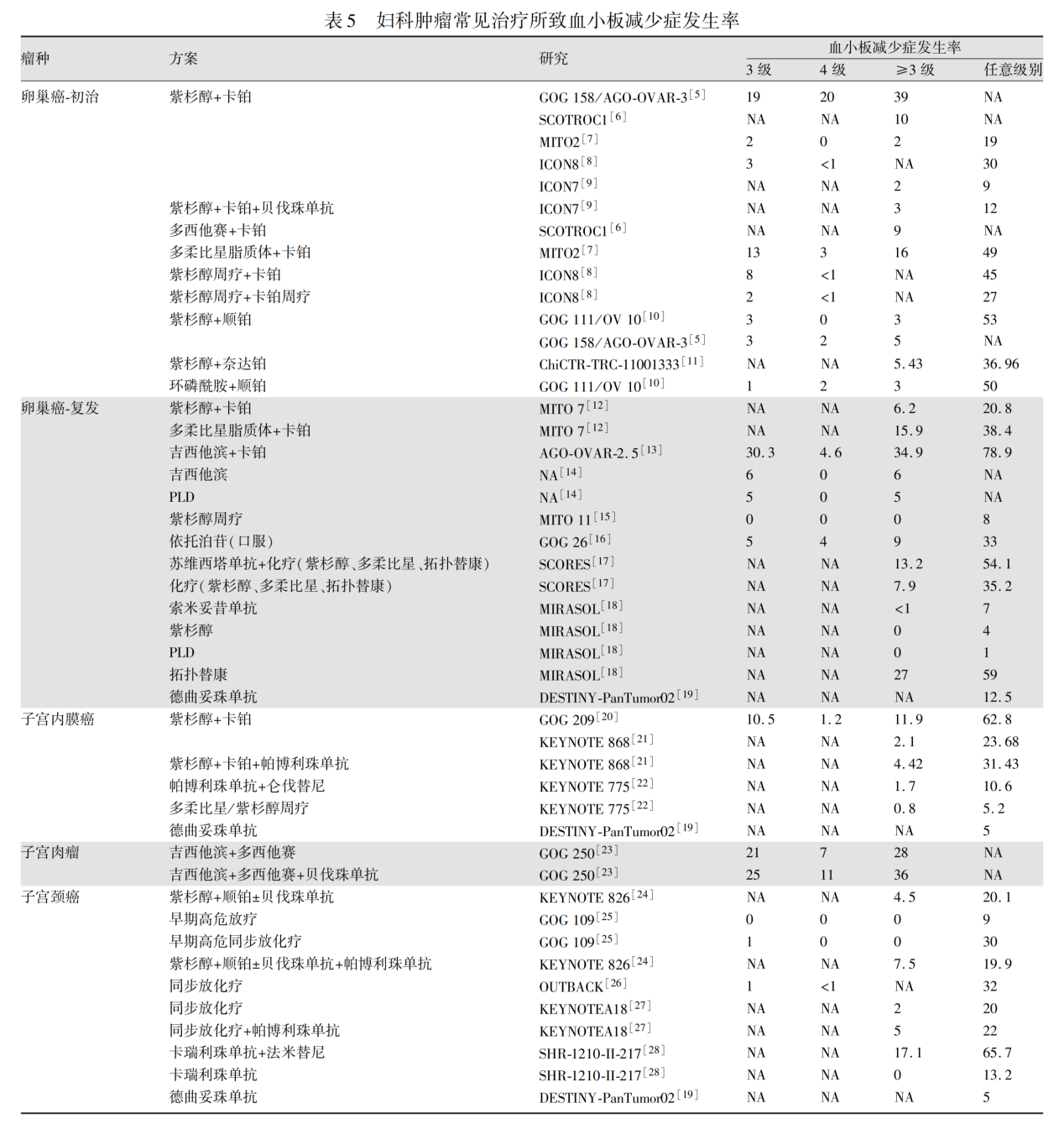
Incidence and timing depend on drug type, dosage, combination regimens, and patient characteristics. A large study (n=15,521) showed a 13% incidence of thrombocytopenia within 3 months (Grade 3: 4%, Grade 4: 2%). Platinum- or gemcitabine-based regimens (14.8%, 13.5%) had significantly higher rates than anthracycline- or taxane-based regimens (9.3%, 6.5%). Median onset for most regimens is 1–2 weeks post-chemotherapy, while platinum-based regimens often exceed 2 weeks.
Gynecologic regimens are mostly platinum-based, resulting in relatively high CTIT rates. The incidence of Grade \ge3 thrombocytopenia can exceed 30% with carboplatin-gemcitabine combinations (Table 5).
1.2.2 Radiotherapy-Induced Thrombocytopenia
Radiotherapy is crucial for endometrial and cervical cancers. Pelvic radiotherapy can cause thrombocytopenia, potentially interrupting treatment and increasing bleeding risk. The incidence is lower than with chemotherapy but rises significantly with concurrent chemoradiotherapy. Current evidence is limited to small-sample studies.
1.2.3 Targeted Therapy and Immunotherapy-Induced Thrombocytopenia
These agents are increasingly used, but their mechanisms differ from chemotherapy. Immune checkpoint inhibitors (ICIs) do not primarily suppress bone marrow but trigger autoimmune reactions, requiring complex management strategies.
1.2.3.1 Targeted Therapy
Adverse effects are categorized as "on-target" (inhibiting normal tissue targets, often dose-dependent) and "off-target."
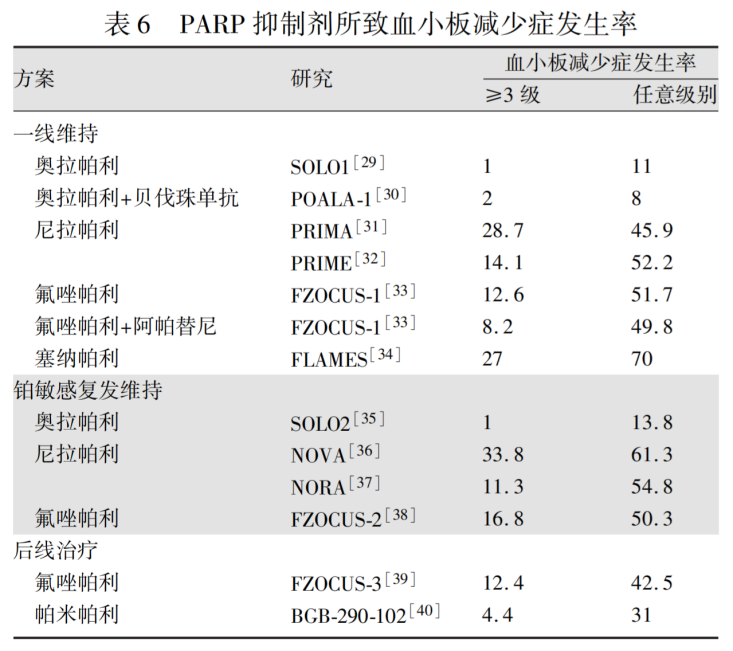
• PARP Inhibitors: PARP1 is expressed in megakaryocytes. PARP inhibitor-related thrombocytopenia incidence ranges from 8%–70% (Grade 3–4: 1%–34%) (Table 6).
• Bevacizumab: May cause low-incidence but severe acute immune thrombocytopenia. Anti-glycoprotein IIb antibodies have been detected, responding to glucocorticoids.
• Antibody-Drug Conjugates (ADCs): Management principles are consistent with CIT.
1.2.3.2 Immunotherapy
ICIs can cause multi-organ immune-related adverse events (irAEs). Immune thrombocytopenia (ITP) is relatively rare (incidence 0.2%–2.8%). Unlike chemo/radiotherapy, ICI-induced thrombocytopenia is usually secondary to autoimmune reactions. A large retrospective study (n=86,467) identified 214 cases (0.25%), with independent risk factors including baseline thrombocytopenia, combination ICI therapy, stage IV disease, and other irAEs. Median onset was 8 weeks after starting ICIs. Among 76 patients who restarted ICIs, 30.3% experienced recurrence.
Combination therapies in gynecologic oncology lead to higher CTIT rates. Differentiating between immune-mediated and cytotoxic causes is crucial for management strategy.
2. Treatment
2.1 Principles and Workflow
The goals of CTIT treatment are to elevate the nadir of platelet counts, shorten CTIT duration, reduce/prevent platelet transfusions, and prevent bleeding, thereby avoiding treatment delays or dose reductions.
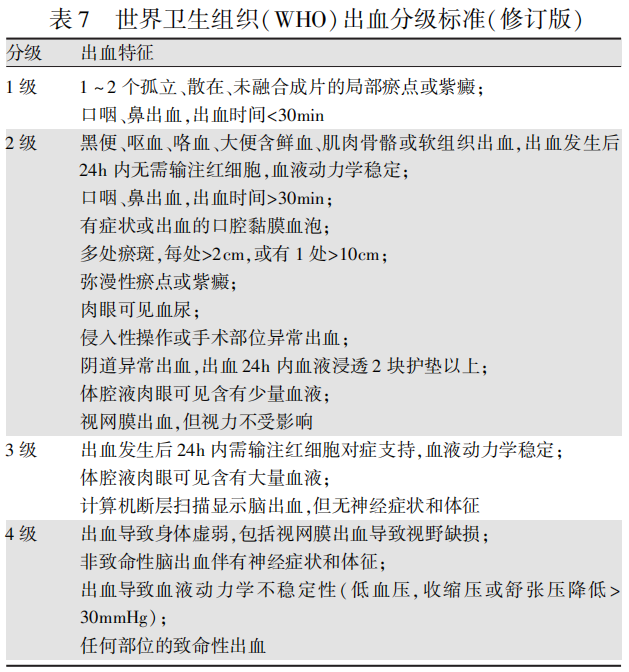
Etiological assessment is fundamental. Accurate judgment of bleeding risk and severity guides treatment selection [World Health Organization (WHO) Bleeding Scale, Table 7].
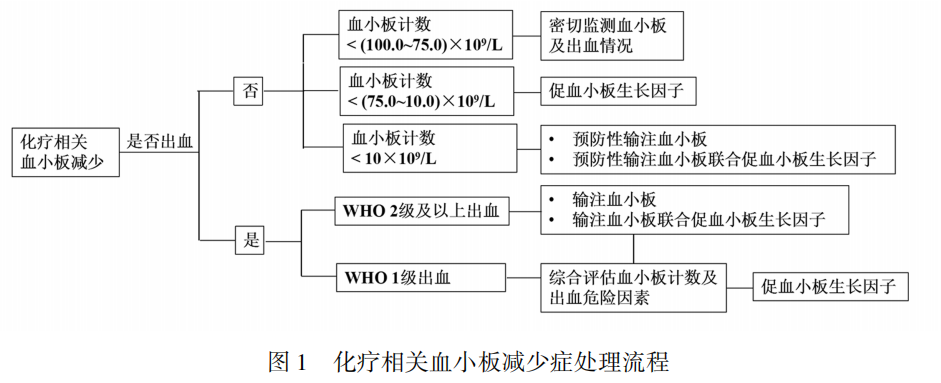
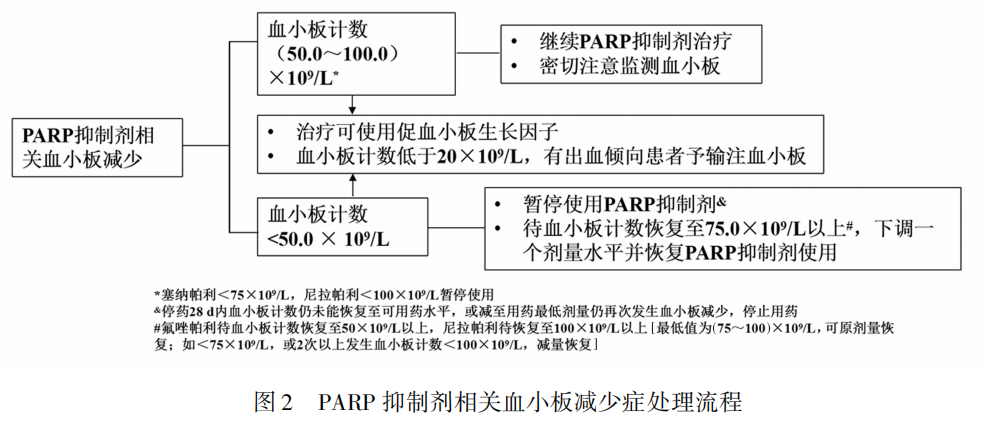
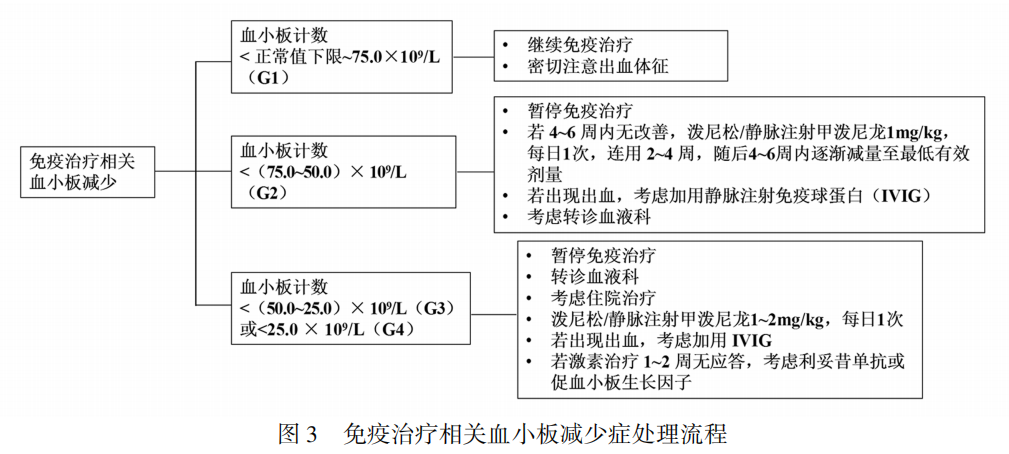
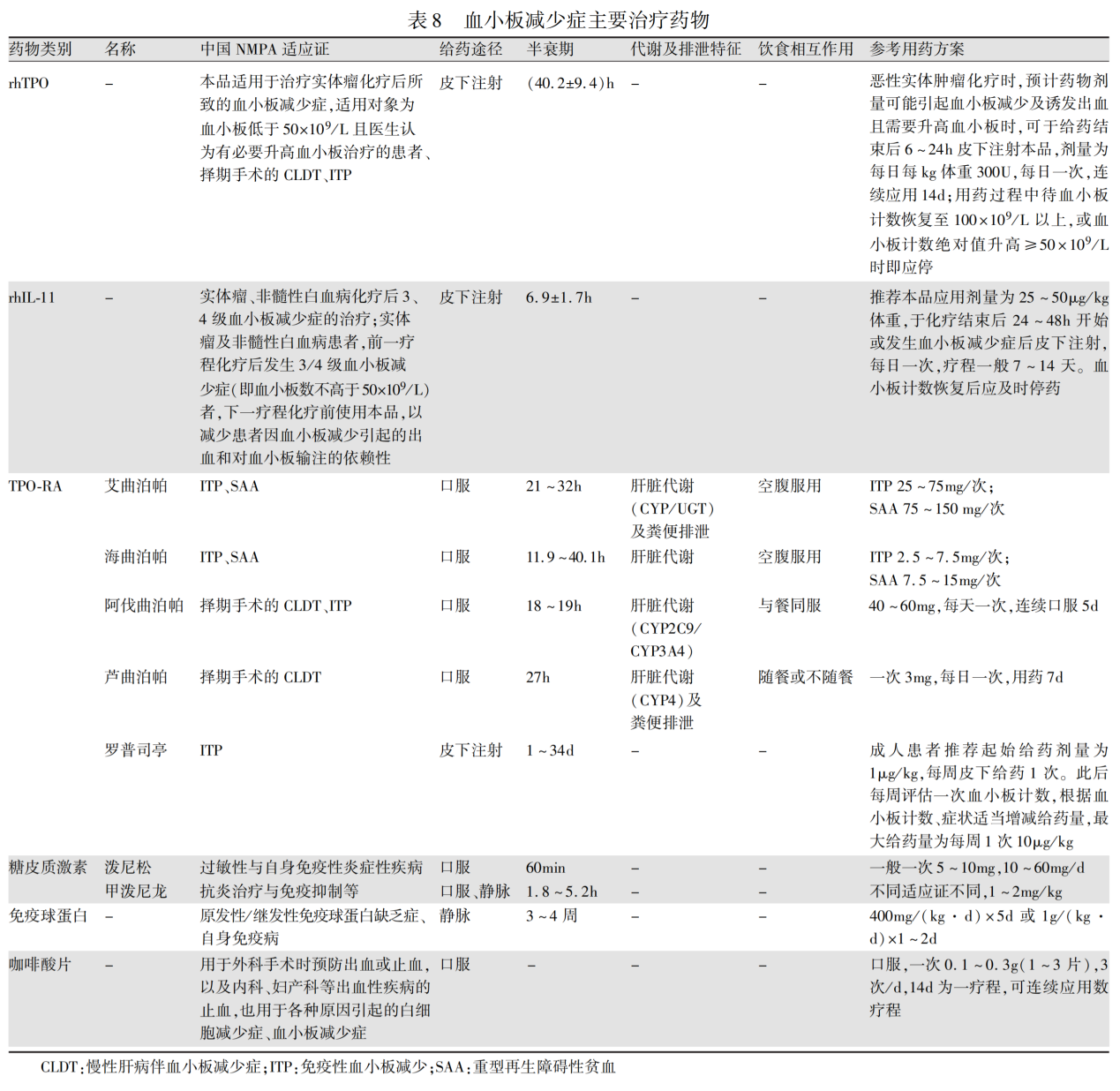
Main measures include platelet transfusion and TSAs (rhTPO, rhIL-11, TPO-RAs, and caffeic acid tablets). Management algorithms are provided for chemotherapy (Figure 1), PARP inhibitors (Figure 2), and immunotherapy (Figure 3).
2.2 Therapeutic Measures
2.2.1 Platelet Transfusion
Platelet transfusion is the fastest way to correct severe thrombocytopenia. Patients with active bleeding usually require immediate transfusion to maintain counts >50 \times 10^9/L; central nervous system bleeding requires >100 \times 10^9/L.
Predicting spontaneous bleeding is challenging. For counts of (5\text{--}50) \times 10^9/L, decisions should integrate clinical risk factors. The 2025 AABB/ICTMG guidelines recommend transfusion for non-proliferative thrombocytopenia without bleeding when counts are <10 \times 10^9/L. If inflammation, infection, fever, or tumor necrosis are present, the threshold may be raised to 20 \times 10^9/L.
Recommendation: Platelet transfusion is recommended for counts \le 10 \times 10^9/L or CTIT with bleeding (Category 1).
Allogeneic platelets have a short half-life (3–5 days) and carry risks: infectious disease transmission, transfusion reactions, and post-transfusion purpura. Alloimmunization can lead to platelet refractoriness. Besides standardized transfusion, TSAs are vital.
2.2.2 Thrombopoiesis-Stimulating Agents (TSAs)
2.2.2.1 Recombinant Human Thrombopoietin (rhTPO)
• Mechanism: rhTPO is a full-length glycosylated TPO produced via recombinant DNA technology in CHO cells. It acts on the entire megakaryocyte lineage to promote proliferation, maturation, and platelet production.
• Efficacy: A retrospective study in gynecologic cancer patients (platelets <80 \times 10^9/L) showed rhTPO significantly shortened recovery time (10.5 vs 21.4 days, P<0.001). Another study in concurrent chemoradiotherapy patients showed rhTPO accelerated recovery (median 6.1 days to \ge 75 \times 10^9/L).
Recommendation: rhTPO is recommended for gynecologic CTIT when platelets <75.0 \times 10^9/L (Category 1).
• Safety & Precautions: Generally safe. Mild fever, myalgia, or dizziness may occur. Antibody formation is rare (4%) and usually non-neutralizing. Caution: Over-correction increases thrombosis risk. Monitor CBC every other day. Investigate poor response (e.g., neutralizing antibodies, myelofibrosis). Monitor CBC including peripheral smears pre-, during, and post-treatment (at least 2 weeks post-stop).
2.2.2.2 Recombinant Human Interleukin-11 (rhIL-11)
• Mechanism: Directly stimulates hematopoietic stem cells and megakaryocyte progenitors, inducing maturation and differentiation.
• Efficacy: A multicenter RCT (n=93) showed 30% of rhIL-11 patients avoided re-transfusion vs 4% placebo (P<0.05). A gynecologic study confirmed higher platelet nadirs and faster recovery.
Recommendation: rhIL-11 is recommended for gynecologic CTIT when platelets <75.0 \times 10^9/L (Category 1).
• Safety & Precautions: Mostly mild-moderate (fatigue, pain, edema, etc.). Severe Warning: Risk of anaphylaxis (facial/throat swelling, dyspnea, hypotension, shock). Discontinue permanently if allergic. Use cautiously in organic heart disease (risk of CHF, AF/AFL). Monitor for capillary leak syndrome (weight gain, edema, pulmonary edema, effusions).
2.2.2.3 TPO Receptor Agonists (TPO-RAs)
Activate TPO receptors via peptide-mimetic (binding extracellular domain) or non-peptide (binding transmembrane domain) mechanisms.
2.2.2.3.1 Peptide-Mimetic TPO-RAs (Romiplostim/Romiplostim N01)
Romiplostim is the first approved long-acting TPO-RA. Romiplostim N01 is a biosimilar.
• Efficacy: RECITE trial (n=165) in GI cancers showed romiplostim significantly increased the proportion of patients maintaining full-dose chemo (84% vs 36%, P<0.001), with higher response rates and faster onset. Romiplostim N01 Phase II/III Part A showed a 90% response rate in patients with platelets <100 \times 10^9/L.
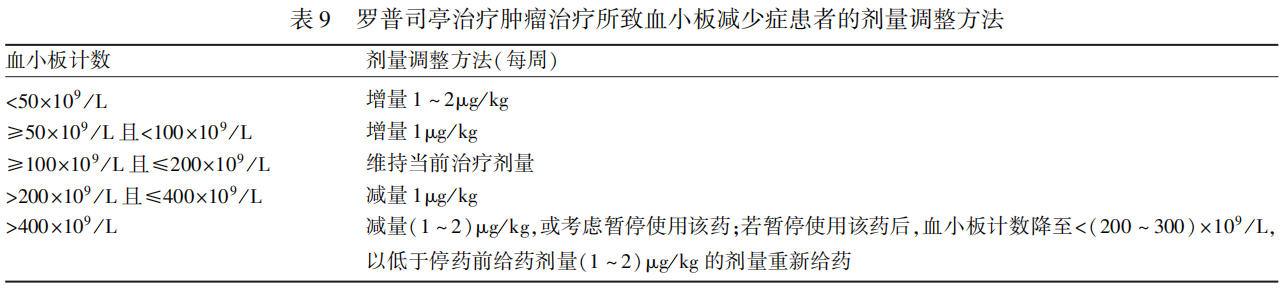
Recommendation: Romiplostim or Romiplostim N01 is recommended for gynecologic CTIT when platelets <75.0 \times 10^9/L (Category 2A).
2.2.2.3.2 Non-Peptide TPO-RAs (Oral)
Include azobenzene derivatives (eltrombopag, hetrombopag) and thiazole derivatives (lusutrombopag, avatrombopag). They bind the transmembrane domain to promote megakaryopoiesis.
• Administration: Hetrombopag/Eltrombopag require fasting (avoid cations 2h before/after). Avatrombopag is taken with food. Lusutrombopag can be taken with or without food.
2.2.2.3.2.1 Hetrombopag
• Monotherapy for CIT: Phase II (n=60) showed significantly higher efficacy vs placebo (60.7% vs 12.9%, P<0.001). Phase III (n=192) demonstrated that continuous dosing maintained efficacy (75.7% effective) compared to switching to placebo (48.6%) or placebo alone (39.4%).
Recommendation: Hetrombopag is recommended for gynecologic CTIT when platelets <75.0 \times 10^9/L (Category 2A).
• Monotherapy for PARP-i related: Phase II (n=21) showed 52.9% achieved target platelet levels in a median of 10 days, allowing continued PARP-i use.
Recommendation: Hetrombopag is recommended for PARP-i related thrombocytopenia (50\text{--}100 \times 10^9/L) (Category 2B).
• Combination Therapy: Synergistic with rhTPO. Retrospective (n=294) and prospective (n=28) studies showed superior efficacy in raising platelets compared to monotherapy.
Recommendation: Hetrombopag + rhTPO is recommended for platelets <75.0 \times 10^9/L (Category 2B) and <50.0 \times 10^9/L (Category 2A). Hetrombopag + rhIL-11 is recommended for platelets <50.0 \times 10^9/L (Category 2A).
2.2.2.3.2.2 Eltrombopag
Studies did not meet primary endpoints but showed trends in reducing chemo delays and dose reductions.
2.2.2.3.2.3 Avatrombopag
Phase III study did not meet primary endpoint. Real-world data showed 87.1% efficacy with low bleeding rates.
Recommendation: Avatrombopag or Eltrombopag is recommended for gynecologic CTIT when platelets <75.0 \times 10^9/L (Category 2B).
2.2.2.3.3 Safety & Precautions
• Hepatotoxicity: Higher risk with eltrombopag and hetrombopag. Monitor liver function. Lusutrombopag and avatrombopag have less impact.
• Thrombosis: Risk increases if platelets exceed normal range. Caution in high-risk patients (thrombophilia, malignancy, OCP use, immobility, obesity, smoking). Monitor counts closely and adjust dose to keep within target range.
• Bone Marrow Fibrosis/Malignancy: Theoretical risk of reticulin fibrosis. Monitor peripheral smears and CBC. Perform bone marrow biopsy if cytopenias or morphological abnormalities arise.
2.2.2.4 Management of ICI-related Thrombocytopenia
Refer to Figure 3. Glucocorticoids are first-line (early, sufficient, full course). TSAs are second-line options.
2.2.2.5 Caffeic Acid Tablets
Promotes megakaryocyte maturation. A self-controlled study (n=60) showed significantly higher platelet nadirs and peaks, and shorter recovery times compared to placebo cycles. No transfusions were needed.
Recommendation: Caffeic acid tablets are recommended for gynecologic CTIT when platelets <75.0 \times 10^9/L (Category 2B).
3. Prevention
Due to the short lifespan of platelets and delayed endogenous TPO feedback, preventive intervention should be considered for patients with prior severe CTIT or high-risk factors. Prevention requires evaluating general status, history, timing/magnitude of previous drops, and drug characteristics.
High-risk factors: ECOG \ge 2 or severe malnutrition; bone marrow infiltration by tumor; use of high-risk drugs (PARP inhibitors, platinum, gemcitabine, anthracyclines), especially in combination; prior/concurrent radiotherapy involving long bones/flat bones (pelvis, sternum).
3.1 Primary Prevention
Intervention initiated immediately after the first cycle of antitumor therapy in patients prone to CTIT. Currently, there is a lack of definitive evidence for this approach in gynecologic oncology.
3.2 Secondary Prevention
Preventive measures for patients who experienced Grade \ge 3 thrombocytopenia in the previous cycle, or Grade 2 with high-risk factors, to prevent recurrence and ensure planned chemotherapy delivery.
3.2.1 rhTPO
A multicenter Phase III crossover study (n=311) showed rhTPO significantly elevated nadirs (66 vs 55 \times 10^9/L), peak counts (266 vs 146 \times 10^9/L), and shortened recovery time (11 vs 16 days).
Recommendation: rhTPO is recommended for secondary prevention (Category 1).
3.2.2 rhIL-11
A study (n=100) showed secondary prevention significantly reduced severity, duration, transfusion needs, and drug courses compared to treatment-only phases.
Recommendation: rhIL-11 is recommended for secondary prevention (Category 1).
3.2.3 TPO-RAs
• Romiplostim: PLATUM study showed 60% of glioblastoma patients completed planned maintenance chemo. Romiplostim N01 Part B showed significantly higher response rates vs placebo (68.3% vs 40.9%).
• Hetrombopag: A prospective study (n=20) showed 95% of patients maintained counts \ge 75 \times 10^9/L by day 21 with prophylactic dosing.
Recommendation: Romiplostim/Romiplostim N01 and Hetrombopag are recommended for secondary prevention (Category 2A).
3.2.4 Caffeic Acid Tablets
An AB/BA crossover study (n=82) showed significantly higher platelet counts on day 14 and 21 in the prophylaxis cycles vs control cycles.
Recommendation: Caffeic acid tablets are recommended for secondary prevention (Category 2B).
4. Conclusion
Standardized prevention and management of CTIT in gynecologic oncology are clinically imperative. Management should begin with identifying the cause and assessing bleeding risk, followed by individualized strategies centered on transfusion and TSAs. While current evidence focuses on chemotherapy, management of radiotherapy, targeted, and immunotherapy-induced thrombocytopenia often extrapolates from CTIT data. It is crucial to recognize that ICI-induced thrombocytopenia differs mechanistically and requires management per irAE principles. rhTPO and rhIL-11 are Category 1 recommendations; Romiplostim/Romiplostim N01 and Hetrombopag are Category 2A. TSAs are useful for both treatment and secondary prevention. Clinicians must strictly adhere to indications, contraindications, and monitoring protocols, utilizing multidisciplinary collaboration when necessary to minimize risks of thrombosis and other severe adverse events.
*
Source:
Society of Gynecologic Oncology of the Chinese Medical Association. Chinese Expert Consensus on Clinical Management of Cancer Therapy-Induced Thrombocytopenia in Gynecologic Oncology [J]. Progress in Obstetrics and Gynecology, 2026, 35(3): 161-172.
DOI: 10.13283/j.cnki.xdfckjz.2026.03.001
Editor: Lily