Gynecologic malignant tumor surgeries, especially cytoreductive surgery for ovarian cancer, radical hysterectomy for cervical cancer and staging surgery for endometrial carcinoma, are characterized by extensive surgical scope, long operative duration and large wound surface. Meanwhile, patients generally develop immunosuppression due to tumor consumption and preoperative neoadjuvant chemotherapy, rendering them high-risk populations for perioperative infection.
Perioperative infection refers to infections closely associated with surgical procedures or operative sites occurring throughout preoperative, intraoperative and postoperative periods, serving as a common surgical complication. Such infections not only prolong hospital stay and raise medical costs, but also delay postoperative adjuvant therapies including chemotherapy and targeted therapy, disrupting standardized treatment protocols. In severe cases, fatal complications such as septic shock may occur and threaten patients’ lives. Domestic multicenter studies demonstrate that the overall postoperative infection rate among patients with gynecologic malignant tumors ranges from 11.33% to 19.67%. The infection rate of complex surgeries such as ovarian cancer cytoreductive surgery combined with intestinal resection and anastomosis exceeds 30%, which markedly impairs patient prognosis.
To standardize clinical pathways for perioperative infection prevention and control of gynecologic malignant tumors in China, systematically reduce infection risks, guarantee medical quality and patient safety, and improve long-term survival benefits, the Obstetrics and Gynecology Committee of Chinese Research Hospital Association, Hospital Infection Management Committee of Chinese Hospital Association and Hospital Infection Control Committee of China Maternal and Child Health Care Association organized relevant experts. Based on the latest domestic and international clinical evidence, authoritative guidelines and standardized documents including Guidelines for Clinical Application of Antibacterial Drugs and Standards for Prevention and Control of Surgical Site Infection, combined with clinical practice characteristics of gynecologic oncology in China, experts conducted in-depth discussions on key issues covering infection characteristics, risk assessment and core prevention strategies. Eventually, this consensus was formulated. It provides practical clinical guidance for gynecologic oncologists, anesthesiologists, operating room nurses and infection control professionals, and promotes standardized and homogeneous implementation of perioperative infection prevention and control.
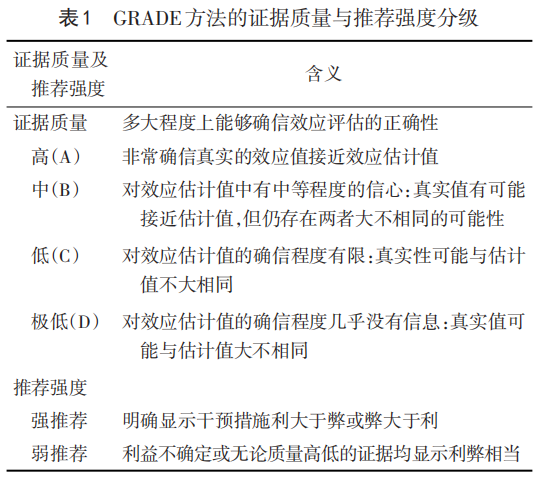
Formulated in accordance with the WHO Handbook for Guideline Development issued in 2014 and Guiding Principles for Formulating and Revising Clinical Diagnosis and Treatment Guidelines in China, this consensus has been registered on the International Practice Guidelines Registry and Transparency Platform (Registration No.: PREPARE-2026CN166). The Grading of Recommendations Assessment, Development and Evaluation (GRADE) system was adopted to grade evidence quality and recommendation strength.
1 Characteristics and Risk Assessment of Perioperative Infections in Gynecologic Oncology Patients
1.1 Infection Characteristics
Affected by extensive surgical resection, combined multi-organ excision, pelvic lymph node dissection, tumor-induced hypoimmunity, myelosuppression after neoadjuvant chemotherapy and difficult perioperative management, postoperative infections in such patients feature diverse infection types, specific pathogenic composition and high incidence. The overall postoperative infection rate stands at 11.33%-19.67%, with surgical site infection, urinary tract infection and pulmonary infection accounting for over 90% of all postoperative infectious cases.
Surgical Site Infection (SSI)
Perioperative surgical site infection is defined as pathogen invasion and infection involving surgical incisions, affected organs and related cavities caused by surgical manipulation during the whole perioperative period. According to a 2024 cross-sectional survey on hospital-acquired infections covering 5,736 medical institutions nationwide, the overall incidence of SSI after gynecologic malignant tumor surgery is approximately 3.18%. The incidence rises distinctly in complex gynecologic oncologic surgeries. The SSI incidence of ovarian cancer cytoreductive surgery combined with intestinal resection and anastomosis reaches 12.54%, far higher than that of conventional gynecologic surgeries.

Urinary Tract Infection
Urinary tract infections are predominantly associated with postoperative indwelling urinary catheters. The infection rate climbs to 25%-35% when catheter retention time exceeds 72 hours, while the rate drops below 5% in patients without indwelling catheters or with retention time less than 72 hours.
Tumor invasion and surgical procedures increase intraoperative ureteral injury risks. Ureteral stents may be placed preoperatively or intraoperatively in high-difficulty surgeries to identify anatomical structures, avoid ureteral damage and preserve renal function. Patients with indwelling ureteral stents have a significantly higher urinary tract infection risk, and the incidence correlates closely with stent retention duration. The infection rate reaches 35.1%-42.6% when stents are retained for more than 4 weeks. Most patients require sequential postoperative adjuvant chemotherapy, leading to delayed catheter removal with an average stent retention period of 3 to 5 weeks. For patients undergoing partial ureterectomy, anastomosis or ureterovesical reimplantation due to tumor invasion, stent retention is prolonged to 3 to 5 months, further elevating infection risks.
Typical clinical manifestations include bladder irritation symptoms such as frequent micturition, urgent urination and dysuria, accompanied by turbid urine, dark urine color and gross hematuria in partial cases. Severe patients may suffer lower abdominal distending pain and fever above 38℃. Retrograde infection involving the kidneys presents lumbago and renal percussion tenderness characteristic of pyelonephritis. Escherichia coli serves as the predominant pathogen accounting for 60%-70% of cases, followed by enterococci (15%-20%). Klebsiella, Pseudomonas aeruginosa and fungi such as Candida can also be detected.
Pulmonary Infection
The incidence of postoperative pulmonary infection is 3.5%-8.2%. The rate increases to 12%-15% in complex surgeries lasting over 4 hours and patients complicated with pleural effusion, obviously higher than the 1.2%-2.5% rate of benign gynecologic surgeries. Intraoperative hyperthermic intraperitoneal chemotherapy further raises pulmonary infection risks, with an incidence of 18.7% in patients receiving combined cytoreductive surgery and hyperthermic intraperitoneal chemotherapy, compared with 8.2% in patients undergoing cytoreductive surgery alone.
Major clinical symptoms include cough and purulent sputum, accompanied by fever (≥38.5℃), chest tightness and shortness of breath. Chest CT reveals inflammatory infiltrative lesions in the lungs. Elderly patients aged 60 years and above often have atypical symptoms merely manifested as lassitude and poor appetite, easily resulting in missed diagnosis. Common pathogens include Klebsiella pneumoniae and Staphylococcus aureus, with methicillin-resistant Staphylococcus aureus (MRSA) occupying 15%-20%. Special vigilance against Pseudomonas aeruginosa infection is required for patients receiving mechanical ventilation.
Recommendation 1Close attention shall be paid to three major common postoperative infections including surgical site infection, urinary tract infection and pulmonary infection. High infection risks of complex surgeries such as ovarian cancer cytoreductive surgery combined with intestinal resection and anastomosis should be highly alerted. (Evidence level: A, Strong recommendation) 1.2 Risk Assessment
Perioperative infections are affected by multiple factors categorized into patient-related factors, surgery-related factors and perioperative management factors. Comprehensive preoperative infection risk assessment shall be performed to screen high-risk patients and formulate individualized prevention strategies.
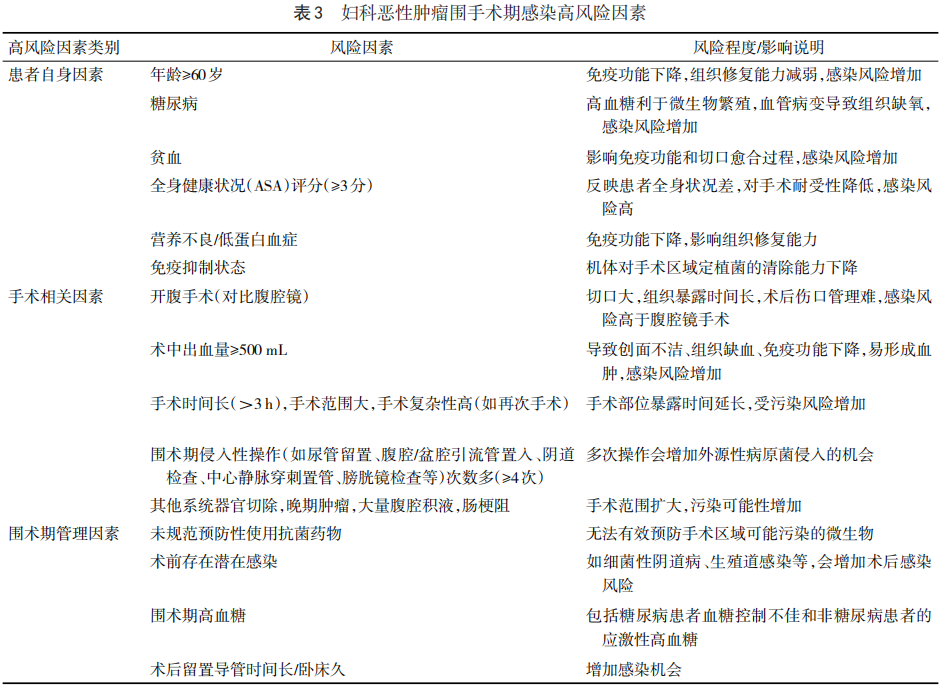
Recommendation 2Patients aged ≥60 years, those complicated with diabetes mellitus, anemia, ASA physical status classification ≥3, immunosuppression, malnutrition, and patients scheduled for open surgery with estimated operative duration >3 hours, intraoperative blood loss ≥500 mL and invasive procedures ≥4 times shall be identified as high-risk populations for perioperative infection, with targeted individualized prevention regimens formulated. (Evidence level: B, Strong recommendation) 2 Core Strategies for Perioperative Infection Prevention
Prevention priority and full-process management serve as core principles for high-risk patients, with targeted interventions implemented in preoperative, intraoperative and postoperative stages.
2.1 Preoperative Preventive Measures
Patient Preparation
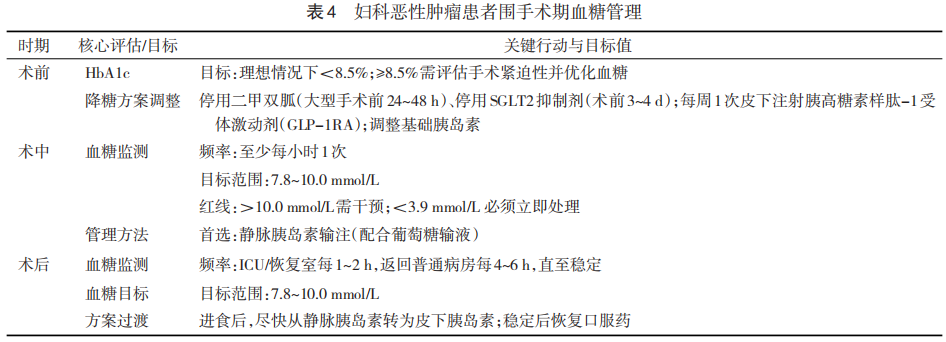
Nutritional SupportNutritional risk screening shall be conducted using the Nutritional Risk Screening 2002 (NRS-2002) scale. Moderate and severely malnourished patients shall receive individualized nutritional support dominated by enteral nutrition supplemented with parenteral nutrition. Total parenteral nutrition is applied for patients intolerant to enteral feeding. Patients with hypoalbuminemia (serum albumin <30 g/L) may receive intravenous infusion of 10-20 g human albumin daily combined with high-protein nutritional preparations to elevate serum albumin to no less than 35 g/L. Anemia shall be actively corrected to maintain hemoglobin above 100 g/L, enhancing surgical tolerance and postoperative tissue repair capacity. Blood Glucose ControlBlood glucose shall be closely monitored and standardized controlled throughout preoperative, intraoperative and postoperative periods in diabetic patients. - Preoperative management: Glycated hemoglobin (HbA1c) is recommended to be controlled below 8.5% for elective surgery patients. Surgery shall be postponed and blood glucose optimized with multidisciplinary consultation if HbA1c ≥8.5%.
- Intraoperative management: The target intraoperative blood glucose level is 7.8-10.0 mmol/L. Standardized control reduces intraoperative hyperglycemia incidence from 38.6% to 12.1% and postoperative intestinal fistula risk from 12.5% to 4.2%. Hypoglycemia (blood glucose <3.9 mmol/L) shall be strictly prevented to avoid irreversible brain damage, cognitive dysfunction and cardiovascular adverse events.
- Postoperative management: Blood glucose tends to rise under postoperative stress state. Insulin administration shall be converted from intravenous infusion to subcutaneous injection after oral intake recovery, followed by gradual switch to oral hypoglycemic agents. Blood glucose monitoring frequency is every 1-2 hours in resuscitation room and ICU, and every 4-6 hours in general ward. Postoperative blood glucose target remains 7.8-10.0 mmol/L.
Oral hypoglycemic agents are resumed hierarchically. Insulin secretagogues are initiated only when diet fully recovers and blood glucose stays stable for 3 consecutive days. Metformin is administered with estimated glomerular filtration rate ≥30 mL/min/1.73m² and no obvious gastrointestinal discomfort. Sodium-glucose cotransporter 2 inhibitors are restored only after adequate blood volume and systolic blood pressure >90 mmHg to avoid ketoacidosis.
Skin PreparationPatients are instructed to take full-body cleaning with ordinary or antibacterial soap focusing on surgical sites to remove grease, dirt and superficial colonized bacteria. Hair shaving is not routinely conducted if hair does not interfere with surgery. Hair trimming with scissors is adopted instead of razors to prevent tiny skin wounds and bacterial invasion. For gynecologic surgeries including radical cervical cancer surgery and hysterectomy, full-body cleaning with ordinary soap or chlorhexidine-containing detergent is recommended, with emphasis on lower abdomen, perineum and medial thigh. Scrub for 2-3 minutes before rinsing to reduce common colonized bacteria. Hair trimming scope is defined according to surgical approaches.
Intestinal PreparationEnhanced recovery after surgery protocols are applied for patients scheduled for intestinal-related procedures. Oral administration of 3000 mL polyethylene glycol electrolyte solution is performed at 10 a.m. one day preoperatively, with liquid diet throughout the day and nil per os after midnight. Non-absorbable oral antibacterial drugs covering gram-negative bacteria and anaerobes are administered simultaneously. Mechanical intestinal preparation is not recommended for surgeries without intestinal involvement. Vaginal PreparationVaginal scrub with povidone-iodine solution is performed one day before vaginal or abdominal hysterectomy, while vaginal irrigation is prohibited to avoid vaginal flora disturbance and retrograde infection. Surgical procedures are arranged only after complete cure of bacterial vaginosis and trichomoniasis with no less than 7 days of standardized treatment. Simplified vaginal cleaning is conducted for patients with minor preoperative vaginal bleeding under sterile conditions. Bleeding control is prioritized if active bleeding volume exceeds 50 mL within 24 hours. Recommendation 3
- Individualized nutritional support mainly consisting of enteral nutrition shall be provided for moderately and severely malnourished patients to correct hypoalbuminemia and anemia. (Evidence level: A, Strong recommendation)
- HbA1c shall be controlled below 8.5% in elective diabetic patients. Blood glucose shall be optimized before non-emergency surgery for patients with HbA1c ≥8.5%. Intraoperative and postoperative blood glucose is maintained at 7.8-10.0 mmol/L. (Evidence level: A, Strong recommendation)
- Standardized skin preparation is implemented on surgical sites. Hair trimming is limited within sterile surgical area with scissors preferred. (Evidence level: B, Strong recommendation)
- Vaginal scrub with 0.5% povidone-iodine solution is performed preoperatively. Surgery is delayed until recovery from vaginitis. (Evidence level: A, Strong recommendation)
- Standard intestinal preparation is conducted for patients undergoing combined intestinal surgery. Routine mechanical intestinal preparation is unnecessary for non-intestinal surgeries. (Evidence level: B, Strong recommendation)
Perioperative Prophylactic Antibacterial MedicationMost gynecologic malignant tumor surgeries belong to Class II clean-contaminated incisions requiring routine prophylactic antibacterial administration. - Medication selection: First or second-generation cephalosporins combined with nitroimidazoles serve as preferred regimens. Clindamycin combined with aminoglycosides is prescribed for cephalosporin-allergic patients to cover gram-negative bacteria and anaerobes.
- Administration regimen: Intravenous infusion is administered 0.5-1 hour before surgery. Additional dosage is supplemented intraoperatively if operative duration exceeds 3 hours or intraoperative blood loss is over 1500 mL. The total prophylactic medication course lasts 24 hours, extendable to 48 hours when necessary.
Recommendation 4Prophylactic antibacterial drugs are routinely given preoperatively following standardized dosage and timing principles. Medication course is controlled within 24-48 hours. (Evidence level: A, Strong recommendation) 2.2 Intraoperative Preventive Measures
Surgical Team Management and Aseptic Technique
Aseptic protocols and hand hygiene norms are strictly implemented. Operating room cleanliness is guaranteed with restricted unnecessary personnel flow.
Rational Intraoperative Manipulation
Precise dissection, minimal tissue trauma, thorough hemostasis and elimination of dead space are advocated. Excessive traction and clamping of normal tissues are avoided. Energy-based surgical instruments are prioritized to reduce intraoperative blood loss and foreign body retention, decreasing hemorrhage by 30%-50%. Operative duration is shortened to minimize prolonged surgical field exposure and infection risks. The SSI incidence of surgeries lasting over 3 hours is 2.6 times that of surgeries within 2 hours.
Body Temperature Management
Core body temperature is dynamically monitored and maintained above 36℃ using warming blankets and warmed infusion fluids. Intraoperative hypothermia suppresses immune function and increases adverse event risks.
Intraoperative Monitoring and Thromboprophylaxis
Blood glucose is continuously monitored during operation. Caprini venous thromboembolism risk assessment is performed preoperatively. Physical prevention methods including graduated compression stockings and intermittent pneumatic compression are applied for patients with score ≥3. Inspired oxygen concentration is adjusted to 0.3-0.4 during or immediately after extubation for intubated patients with normal pulmonary function.
Recommendation 5
- Strict aseptic operation and operating room environment control are enforced. (Evidence level: A, Strong recommendation)
- Delicate surgical manipulation is performed to reduce tissue damage, achieve complete hemostasis and shorten operative time. (Evidence level: A, Strong recommendation)
- Comprehensive warming measures are adopted to keep core temperature over 36℃. (Evidence level: A, Strong recommendation)
- Physical thromboprophylaxis is applied for medium and high thromboembolism risk patients. (Evidence level: A, Strong recommendation)
- Inspired oxygen concentration is regulated to 0.3-0.4 for eligible intubated patients. (Evidence level: B, Strong recommendation)
2.3 Postoperative Prevention and Monitoring
Incision Care
Incision conditions are closely observed. Wounds are cleaned with sterile normal saline or iodophor in circular outward wiping manner. Dressing is replaced promptly once soaked. Vulva disinfection is conducted daily for vaginal surgery patients to prevent cross infection.
Drainage Tube Management
All drainage catheters are fixed properly with unobstructed drainage. Drainage volume, color and character are recorded daily. Catheters are removed timely when infection-free stable condition is achieved. Catheter maintenance follows strict aseptic principles.
Rational Antibacterial Medication Adjustment
Antibacterial regimens are adjusted based on incision contamination degree and clinical manifestations. Targeted antibiotics are selected according to pathogen culture and drug susceptibility results once infection is suspected.
Respiratory Care and Early Mobilization
Patients are encouraged to perform effective coughing, deep breathing exercises and incentive spirometry training to prevent atelectasis and pulmonary infection. Early ambulation within 24 hours postoperatively promotes blood circulation and reduces thrombosis risks. Heavy labor and strenuous exercise are forbidden within 4 weeks after surgery.
Basic Disease and Nutritional Management
Blood glucose is steadily controlled for diabetic patients. Iron supplementation is prescribed for anemic patients. Daily protein intake reaches 1.2-1.5 g/kg body weight to enhance immunity and tissue repair.
Ward Visit Control
Visitation is restricted within 3 days after surgery with mandatory hand hygiene and mask wearing for visitors.
Infection Monitoring and Diagnosis
Abnormal symptoms including fever, incision swelling, abnormal drainage and elevated white blood cell count trigger timely infection screening. Clinical specimens are collected for microbial culture and susceptibility testing to guide precise anti-infection therapy. Regular follow-up is conducted for discharged patients.
Recommendation 6
- Incision nursing strictly complies with aseptic specifications. (Evidence level: A, Strong recommendation)
- Drainage tubes are removed as soon as possible when indications disappear. (Evidence level: B, Strong recommendation)
- Antibacterial drugs are adjusted individually based on infection conditions and etiological test results. (Evidence level: B, Strong recommendation)
- Standard respiratory function training is guided postoperatively. (Evidence level: B, Strong recommendation)
- Early ambulation is encouraged within 24 hours after operation. (Evidence level: B, Strong recommendation)
- Anemia is corrected timely with iron supplements. (Evidence level: B, Strong recommendation)
- Daily protein intake is guaranteed at 1.2-1.5 g/kg body weight. (Evidence level: A, Strong recommendation)
- Timely specimen collection and etiological examination are carried out once infection signs emerge. (Evidence level: A, Strong recommendation)
3 Considerations for Special Conditions
3.1 Patients Receiving Neoadjuvant Chemotherapy
Surgery is scheduled after hematological recovery. Peripheral blood routine test is monitored daily. Absolute neutrophil count shall recover to no less than 1.5×10⁹/L before operation, with the minimum acceptable level of 1.0×10⁹/L with continuous rising trend. Granulocyte colony-stimulating factor is preventively administrated when absolute neutrophil count remains below 0.5×10⁹/L for over 72 hours, reducing neutropenic fever incidence from 28% to 8%.
3.2 Minimally Invasive Laparoscopic and Robotic Surgery
Despite mild trauma, such surgeries still carry infection risks including trocar site infection and pneumoperitoneum-related intra-abdominal infection. Prophylactic antibacterial medication principles remain consistent with open surgery.
3.3 Regions and Hospitals with High Drug-resistant Pathogen Prevalence
Antibacterial selection strategies are adjusted based on local bacterial resistance surveillance data.
Recommendation 7
- Surgery is performed after hematological recovery for patients with prior neoadjuvant chemotherapy. (Evidence level: B, Strong recommendation)
- Uniform prophylactic medication standards apply to minimally invasive and open surgeries. (Evidence level: B, Strong recommendation)
- Antibacterial regimens are optimized according to local drug resistance characteristics. (Evidence level: B, Strong recommendation)
4 Multidisciplinary Collaboration and Continuous Quality Improvement
4.1 Multidisciplinary Team Cooperation
A comprehensive infection prevention and control system is established integrating gynecologic oncology, anesthesiology and hospital infection management departments. Specialized teams conduct regular professional training and multidisciplinary case discussions.
4.2 Data Monitoring and Feedback
A perioperative infection monitoring database is built for regular statistical analysis and strategy optimization.
4.3 Standardized Antibacterial Drug Management
Clinical pharmacists participate in whole-process medication management to reduce irrational drug use and curb bacterial resistance.
4.4 Operating Room Disinfection Quality Control
Regular microbial detection of air and surface objects ensures qualified disinfection effects.
4.5 Patient Health Education
Patients and family members receive pre-operative education on infection manifestations and basic protective measures to enhance active participation in infection prevention.
Recommendation 8
- Multidisciplinary teams are organized to implement standardized infection prevention measures. (Evidence level: B, Strong recommendation)
- Infection monitoring data is analyzed periodically to improve prevention strategies. (Evidence level: B, Strong recommendation)
- Clinical pharmacists participate in standardized perioperative antibacterial management. (Evidence level: B, Strong recommendation)
5 Summary and Prospect
Perioperative infection prevention and control of gynecologic malignant tumors constitutes a systematic full-course project. Individualized prevention strategies are formulated based on risk assessment, covering preoperative physical condition optimization, standardized antibacterial prophylaxis, refined surgical manipulation and postoperative intensive monitoring supported by multidisciplinary collaboration. This consensus will be updated timely with accumulating clinical evidence, popularization of enhanced recovery after surgery concepts and evolving bacterial resistance status, aiming to elevate surgical safety and postoperative quality of life of gynecologic oncology patients in China.
Note: This consensus provides guiding opinions for perioperative management and does not exclude rationality of other clinical guidelines and expert advices.
Source: Obstetrics and Gynecology Committee of Chinese Research Hospital Association, Hospital Infection Management Committee of Chinese Hospital Association, Hospital Infection Control Committee of China Maternal and Child Health Care Association. Chinese Expert Consensus on Perioperative Infection Prevention and Control of Gynecologic Malignant Tumors (2026 Edition)[J]. Chinese Journal of Practical Gynecology and Obstetrics, 2026,42(4):430-437.DOI:10.19538/j.fk2026040111Editor: Huo Pan