





















Adolescent Polycystic Ovary Syndrome (PCOS) currently lacks unified diagnostic criteria both domestically and internationally, and there are also controversies regarding the selection of treatment options. This consensus brings together experts from the fields of endocrine metabolism, reproductive gynecologic endocrinology, and pediatrics. Combining the latest domestic and international research progress, guidelines, consensus statements, and expert clinical practices, it formulates diagnostic and therapeutic guidance for 8 key clinical questions, providing a reference basis for clinicians managing adolescent patients with PCOS.
Question 1: How to identify high-risk populations for PCOS in early life?
1. First-degree relative characteristics and risk of disease
When the mother has Polycystic Ovary Syndrome (PCOS) or diabetes, the risk of her daughter developing PCOS increases by 2–5 times and 1.4 times, respectively. Maternal obesity during pregnancy, hyperandrogenemia, elevated anti-Müllerian hormone (AMH) levels, and heavy smoking (daily smoking ≥10 cigarettes) all increase the risk of offspring developing PCOS, and may even present transgenerational inheritance phenomena. In addition, a family history of PCOS (sister affected), early paternal baldness, paternal diabetes or hypertension, and maternal irregular menstruation are all high-risk factors for offspring to develop PCOS.
2. Early life characteristics and risk of disease
Low birth weight, macrosomia, catch-up growth during infancy, premature adrenarche in childhood (female pubic hair appearing before 8 years of age) or exaggerated adrenarche (dehydroepiandrosterone sulfate level 130–185 μg/dL), atypical central precocious puberty, early severe obesity combined with acanthosis nigricans and metabolic syndrome are all associated with an increased risk of PCOS or participate in the formation of PCOS-related phenotypic features.
3. Obesity and mental stress around puberty and risk of disease
Female adolescents who are obese around puberty have a 7.86-fold increased risk of developing Polycystic Ovary Syndrome (PCOS); even if body weight returns to normal after adulthood, this risk of disease still persists. Puberty is a critical sensitive period for the body affected by various stress factors. Stress can induce chronic psychiatric illnesses and eating disorders, participating in the activation process of the hypothalamic-pituitary-gonadal axis through neurohormonal epigenetic regulation abnormalities, thereby promoting the occurrence and development of PCOS.
Question 2: What are the clinical manifestations of adolescent PCOS patients?
1. Menstrual disorders
Within 2–3 years after menarche, menstruation can gradually become regular. The longer the time to establish regular menstruation after menarche, the higher the risk of irregular menstruation and Polycystic Ovary Syndrome (PCOS) in adulthood. Menstrual cycles/durations that are too long, too short, irregular, as well as amenorrhea (primary or secondary) are all major clinical manifestations of adolescent PCOS patients. Individual differences exist in the maturation time of the hypothalamic-pituitary-gonadal axis, and combined with factors such as endocrine disorders, can lead to delayed adolescent development and menstrual disorders. Within 3 years after menarche, about 50% of girls have anovulatory menstruation; 5–6 years after menarche, 10%–20% of girls still have this condition. For populations suspected of having PCOS, relevant examinations need to be completed and long-term follow-up conducted.
2. Hyperandrogenemia
Acne and hirsutism are the most common clinical manifestations related to hyperandrogenism in Polycystic Ovary Syndrome (PCOS). About 20% of adolescent girls have mild, transient acne, while moderate to severe comedonal acne, or moderate to severe inflammatory acne appearing before and after menstruation, more strongly suggest the possibility of hyperandrogenemia. PCOS patients often repeatedly develop inflammatory papules, pustules, and cysts on the lower 1/3 of the face, neck, chest, and upper back, respond poorly to local topical drug treatments, and symptoms can persist into adulthood. Among women with hirsutism, about 70%–80% are related to PCOS; hyperandrogenemia can promote the transformation of vellus hair into coarse terminal hair, mainly distributed on the upper lip, jaw, midline of the chest and abdomen, around the areola, inner thigh, and sacrococcygeal region.
3. Polycystic ovarian morphology (PCOM)
Among adolescent girls 2, 3, and 4 years after menarche, 40%, 35%, and 33% respectively show polycystic ovarian morphology (PCOM) suggested by pelvic ultrasound examination. The appearance of PCOM during adolescence is not entirely a pathological manifestation, but if simultaneously combined with abnormal menstruation and/or clinical manifestations related to hyperandrogenemia, further investigation for Polycystic Ovary Syndrome (PCOS) is required.
4. Metabolic syndrome (MetS)
Metabolic syndrome is an aggregated state of multiple metabolic abnormalities, covering obesity, insulin resistance (IR), abnormal blood glucose, dyslipidemia, and hyperuricemia, etc. Depending on different diagnostic criteria, the incidence of metabolic syndrome in adolescent PCOS patients is 4.08%–60.78%, which is 3.32 times that of non-PCOS peers of the same age; the incidence of metabolic syndrome is even higher in adolescent PCOS patients combined with obesity, which is 3.97 times that of simply obese adolescents.
5. Overweight and obesity
Obesity is closely related to the occurrence and development of Polycystic Ovary Syndrome (PCOS). About 30%–40% of adolescent PCOS patients are combined with overweight or obesity. Among the female population aged 15–19 years, the risks of developing PCOS for those who are overweight, moderately obese, and severely obese are 2.95 times, 6.73 times, and 14.65 times that of normal weight/underweight individuals, respectively.
6. Insulin resistance (IR) and abnormal blood glucose
Insulin resistance is common in Polycystic Ovary Syndrome (PCOS) patients and is independent of Body Mass Index (BMI). Results from the hyperinsulinemic-euglycemic clamp test show that the peripheral insulin sensitivity of adolescent PCOS patients is reduced by 50% compared with the normal population. Excessive or insufficient body fat as well as insufficient skeletal muscle content are all related to the occurrence of insulin resistance. Adolescent PCOS patients have significantly increased risks of impaired glucose tolerance, impaired fasting glucose, and type 2 diabetes; about 1/5 of the patients are combined with impaired glucose tolerance (IGT).
7. Dyslipidemia
Adolescent Polycystic Ovary Syndrome (PCOS) patients often combine dyslipidemia, and this abnormality is more significant in those combined with obesity, mainly manifesting as elevated triglycerides and reduced high-density lipoprotein cholesterol. Elevated total cholesterol is more common in adult PCOS populations, while relevant epidemiological data on adolescent PCOS patients are limited and need focused attention in clinical practice.
8. Hyperuricemia
Compared with healthy populations, the incidence of hyperuricemia in adult Polycystic Ovary Syndrome (PCOS) patients is 8.2 times that of them. Studies have shown that Body Mass Index (BMI) is an important factor affecting blood uric acid levels in women, and hyperandrogenemia, insulin resistance, and dyslipidemia may be intermediate mechanisms for the occurrence of hyperuricemia in PCOS women. Currently, epidemiological data on hyperuricemia in adolescent PCOS patients are limited and need attention in clinical practice.
9. Metabolic dysfunction-associated steatotic liver disease (MASLD)
In adolescent Polycystic Ovary Syndrome (PCOS) patients combined with obesity, the prevalence of metabolic dysfunction-associated steatotic liver disease is as high as 50%, which is 4 times that of obese women of the same age; combining type 2 diabetes or hyperandrogenemia will also further increase the risk of MASLD in PCOS patients.
10. Vitamin D deficiency
About 67%–85% of Polycystic Ovary Syndrome (PCOS) patients have vitamin D deficiency. Vitamin D participates in regulating follicular development, insulin resistance (IR), and the occurrence of endocrine metabolic disorders in PCOS patients, and is closely related to the occurrence of metabolic syndrome (MetS) and elevated androgen levels.
11. Psychological problems
Somatic symptoms such as acne, hirsutism, menstrual disorders, and obesity, coupled with factors such as academic pressure, make adolescent PCOS patients more prone to psychological problems, among which depression and anxiety are the most prevalent. The incidence of depression in PCOS patients is 2.21 times that of non-PCOS adolescents, and the symptoms are more severe. Eating behavior abnormalities such as binge eating disorder, emotional eating, and alternating binge eating and dieting are all related to the occurrence of PCOS; conversely, hyperandrogenemia, hyperinsulinemia, and reactive hypoglycemia induced by them will further aggravate binge eating behavior, leading to weight gain.
12. Endometrial hyperplasia
Due to long-term anovulation, the endometrium is continuously stimulated by unopposed estrogen lacking progesterone antagonism, which can cause endometrial hyperplasia and may progress to endometrial cancer in severe cases. Compared with patients with menstrual disorders caused by other etiologies, the risk of endometrial hyperplastic lesions in PCOS patients is significantly increased. Progesterone deficiency, obesity, insulin resistance (IR), hyperandrogenemia, and elevated insulin-like growth factor-1 levels are all independent related risk factors.
13. Intestinal flora disorder
Reduction of beneficial intestinal bacteria and increase of pathogenic bacteria will adversely affect body metabolism, intestinal barrier function, and immune function, which can interfere with insulin receptor function, promote ovarian androgen synthesis, and thus participate in the occurrence and development of PCOS. Regardless of obesity, PCOS patients have intestinal flora dysbiosis, this abnormality can appear in the early stage of the disease and is closely related to hyperandrogenemia and intrahepatic fat deposition.
Question 3: Are there differences in clinical manifestations between non-obese and obese patients?
Non-obese adolescent Polycystic Ovary Syndrome (PCOS) patients have more significant abnormal changes in the hypothalamic-pituitary-adrenal axis, while obese adolescent PCOS patients have a more obvious decrease in insulin sensitivity. A study from Shanghai included 167 PCOS patients aged 15–20 years, of which patients with Body Mass Index (BMI) > 25 kg/m² accounted for 56.0%, and abdominal obesity accounted for 79.8% in this group. Compared with non-obese patients, obese patients have lower sex hormone-binding globulin levels, a higher incidence and more severe degree of insulin resistance (IR), and higher detection ratios of triglycerides and abnormal glucose metabolism; while non-obese patients have more significant elevations in luteinizing hormone (LH) levels and their ratio to follicle-stimulating hormone (FSH). IR in obese patients is related to the increase in body fat rate, while IR in non-obese patients is related to the reduction of skeletal muscle content and the absolute or relative increase in body fat rate. Another study showed that among adolescent PCOS patients combined with impaired glucose tolerance (IGT), obese patients had higher fasting insulin levels, while 2-hour postprandial insulin levels were not significantly different between obese and non-obese patients.
Question 4: How to diagnose adolescent PCOS?
1. Diagnostic conditions
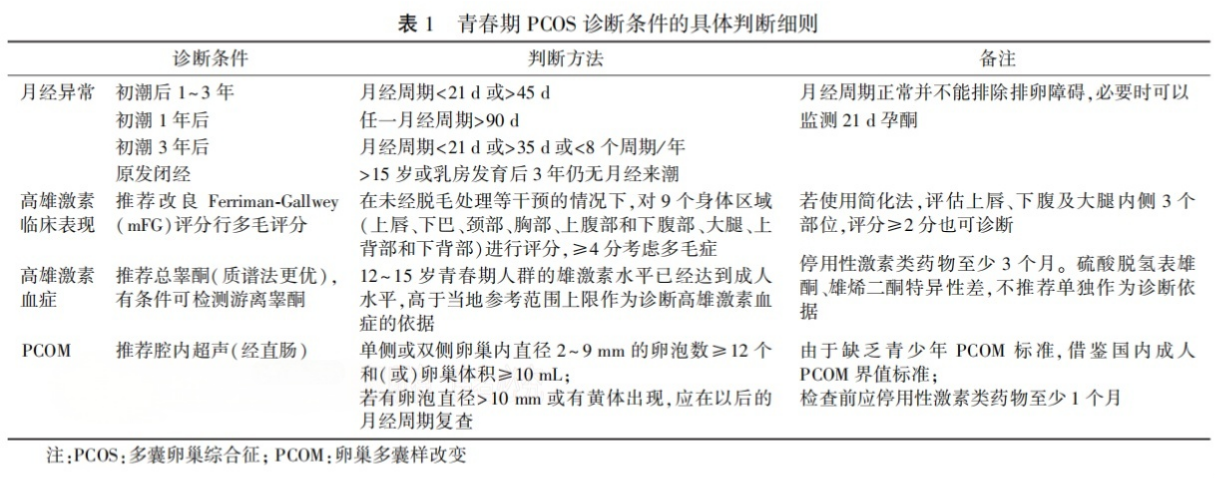
Combining domestic and international diagnosis and treatment guidelines, in order to reduce the psychological burden caused by overdiagnosis to adolescents, the diagnostic criteria refer to the 2018 edition of the "China Diagnosis and Treatment Guidelines for Polycystic Ovary Syndrome," requiring simultaneous satisfaction of the following 3 core conditions:
(1) Irregular menstruation persisting for at least 2 years after menarche, or presence of amenorrhea;
(2) Presence of clinical manifestations of hyperandrogenism, or combined with hyperandrogenemia;
(3) Ultrasound examination suggests polycystic ovarian morphology.
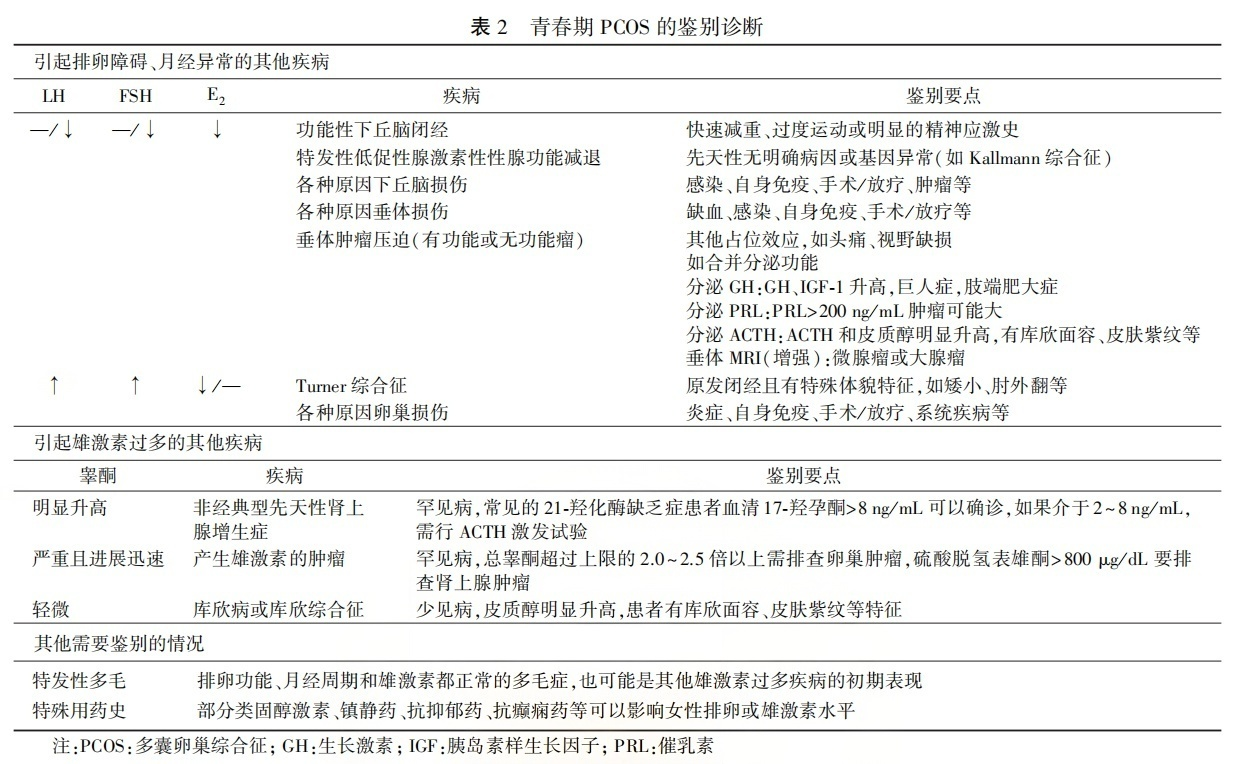
At the same time, other diseases that can cause ovulatory disorders and excess androgens must be excluded. For populations with PCOS characteristics but not meeting the above diagnostic criteria, or adolescents with significant weight gain, they should be defined as high-risk populations, and close follow-up and monitoring should be carried out. Specific diagnostic rules are shown in Table 1.
2. Diseases to be excluded
The diagnosis of Polycystic Ovary Syndrome needs to exclude other diseases that can cause ovulatory disorders and excess androgens, see Table 2 for details.
Question 5: How to screen for metabolic disorders in adolescent PCOS patients?
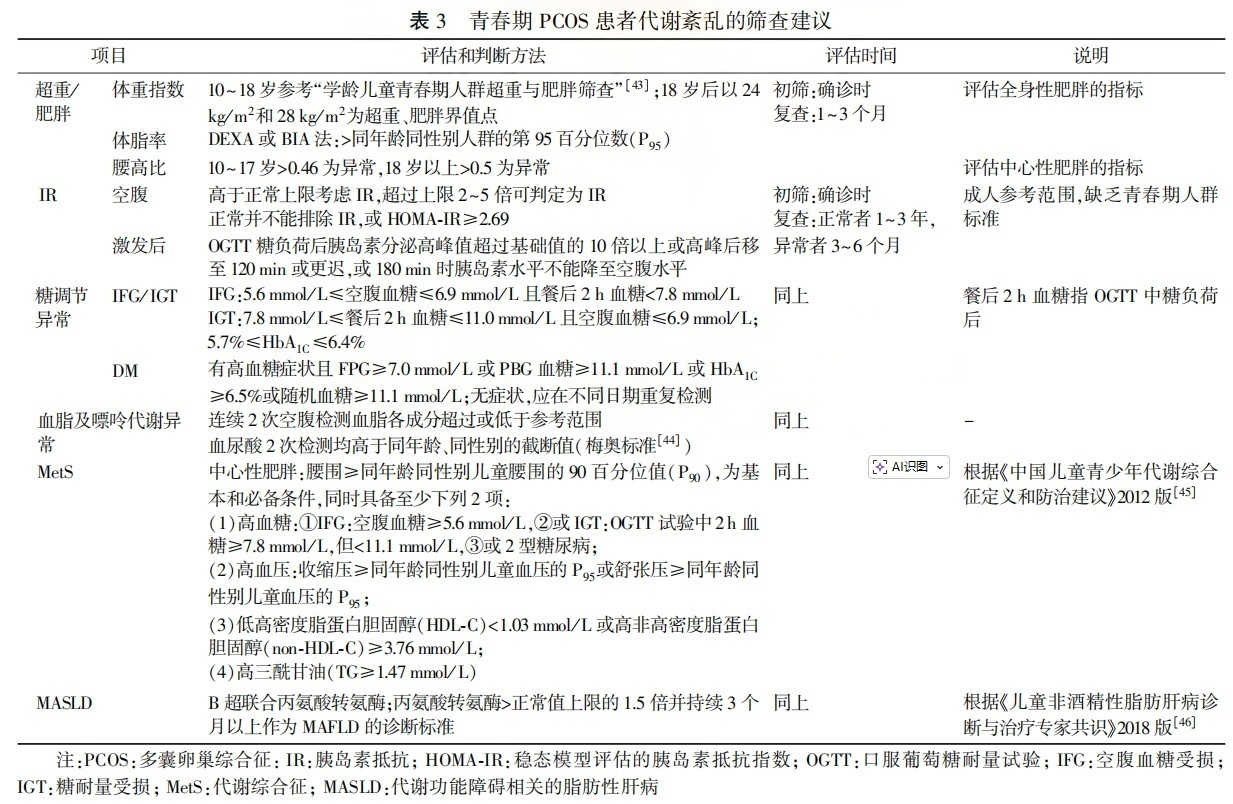
Regardless of obesity, adolescent PCOS patients have varying degrees of metabolic disorders, and this abnormality is closely related to the increased risk of cardiovascular and cerebrovascular diseases in the long term. Recommended screening frequencies and methods are detailed in Table 3.
Here is the translation of the provided medical text into English.
*
Question 6: How to treat adolescent PCOS patients?
Current treatment goals: Optimizing body composition, regulating menstruation, correcting hyperandrogenism and metabolic disorders, and actively intervening in psychological issues. Long-term treatment goals: Promoting reproductive health, reducing the risk of chronic complications such as diabetes, cardiovascular disease, and tumors, and improving quality of life. Lifestyle intervention is the first-line treatment for adolescent PCOS, and the importance of multidisciplinary collaborative management should be emphasized.
1. Lifestyle Intervention
(1) Dietary Management:
For overweight/obese patients, while meeting the demands of growth and development, total calorie intake should be controlled. This should be approximately 20% less than the calories required for adolescents of normal weight. A diverse, small-portion dietary pattern is recommended to maintain a reasonable dietary structure. Strict control of hidden sugars, hidden salts, and saturated fatty acids in food is necessary; reference can be made to the Dietary Guidelines for Children and Adolescents with Obesity (2024 Edition). Non-obese patients need to adhere to a healthy, balanced diet to avoid excessive energy intake and prevent obesity. For patients with insufficient muscle mass, attention should be paid to supplementing high-quality protein to meet the nutritional requirements for muscle synthesis.
(2) Exercise Therapy:
Both obese and non-obese patients should adhere to long-term, regular exercise. The type, frequency, intensity, and duration of exercise should be personalized based on individual circumstances. Overweight/obese patients are recommended to perform moderate-intensity aerobic exercise 3 times a week for 60 minutes per session, supplemented by resistance training. High-intensity interval training (HIIT) can effectively shorten exercise duration, but progression must be gradual to avoid injury. Non-obese patients should select exercise modalities based on body composition results. If muscle mass is insufficient, low-load, high-repetition progressive resistance training combined with nutritional support is recommended (3 times/week, every other day) to promote muscle synthesis. Resistance training is significant for improving insulin resistance (IR) in non-obese patients.
(3) Weight and Body Composition Management:
Abnormal body fat content (especially visceral fat) and insufficient skeletal muscle mass are closely related to IR and related metabolic disorders. It is recommended that overweight/obese adolescent PCOS patients lose 5%–10% of their baseline body weight within the initial 3–6 months. Subsequent weight control plans should be adjusted gradually until weight approaches normal levels. Excessive or overly rapid weight loss is detrimental to growth and development and may exacerbate IR and damage hypothalamic function. Calorie restriction combined with exercise is the core measure for weight management, with anti-obesity drugs serving as a necessary supplement. For non-obese adolescent PCOS patients, individualized intervention plans based on body composition analysis are recommended. The focus should be on addressing relatively elevated body fat percentage accompanying insufficient muscle mass. Blind fat reduction should be avoided; instead, muscle-building exercises should be used to improve IR, lower luteinizing hormone (LH) and testosterone levels, and promote spontaneous ovulation. Abnormal skeletal muscle mass and body fat percentage both adversely affect reproductive and metabolic functions, necessitating targeted interventions for muscle gain and weight gain.
(4) Behavioral Intervention:
Effective behavioral intervention helps adolescent PCOS patients adhere to healthy lifestyles, optimize weight management, and improve emotional outcomes. Patients are advised to maintain a positive attitude, cultivate good eating behaviors, control eating speed (20–30 minutes per meal), and correct uncontrolled eating and emotional eating behaviors. They should reduce sedentary behavior and lying down time, ensuring at least 8 hours of quality sleep per night.
2. Treatment for Menstrual Irregularities
Commonly used clinical regimens for menstrual regulation include cyclical progesterone withdrawal therapy, sequential estrogen-progestin therapy, and combined oral contraceptives (COC). During medication, to prevent abnormal bleeding, patients must strictly follow the physician's instructions and avoid missed or delayed doses.
(1) Cyclical Progesterone Withdrawal Therapy:
Commonly used drugs include dydrogesterone and micronized progesterone.
• Within 1 year after menarche: If there are no risks of menorrhagia, frequent menstruation, irregular bleeding-related anemia, or infection, observation may be temporarily conducted.
• 1–3 years after menarche: It is recommended to adjust the menstrual cycle to 21–45 days. Treatment can start on day 14 of the menstrual cycle with dydrogesterone 10 mg once daily for 14 days. Adjust the start time based on withdrawal bleeding: for frequent menstruation, start on day 11 for 14 consecutive days; for menorrhagia, start on day 5 for 20 consecutive days.
• After 3 years post-menarche: The menstrual cycle should be adjusted to 21–35 days, or ≥8 cycles per year. After one year post-menarche, a single menstrual cycle should not exceed 90 days. The total dosage and course of progesterone per cycle must achieve the therapeutic goal of fully transforming the endometrium to reduce the risk of abnormal endometrial hyperplasia.
A small number of adolescent PCOS patients present with primary amenorrhea. Such patients have mature secondary sexual characteristics, and the endometrium has undergone proliferative changes under the action of estrogen. Administration of sufficient progesterone to induce withdrawal bleeding can induce menarche.
(2) Sequential Estrogen/Progestin Therapy:
Indicated for patients with low estrogen levels, thin endometrium, or unsatisfactory withdrawal bleeding after progesterone treatment. Common regimens include 17β-estradiol/dydrogesterone tablets or estradiol valerate combined with dydrogesterone tablets, for a course of 3–6 months. The menstrual cycle characteristics of adolescent patients within 3 years of menarche differ from adults; dosing intervals may be extended as appropriate. If the patient still has growth potential, lower-dose estrogen supplementation is recommended, with regular assessment of the endometrium and timely addition of progesterone to induce withdrawal bleeding.
(3) Short-term Combined Oral Contraceptives (COC):
Indicated for patients with significant hyperandrogenism, thickened endometrium, heavy menstrual flow, or prolonged periods. Commonly used drugs are Ethinylestradiol/Drospirenone tablets (Ethinylestradiol dose 20–30 μg), for 3–6 months. After symptoms of hyperandrogenism improve and withdrawal bleeding volume returns to normal, the drug can be discontinued for observation. If the menstrual cycle remains irregular, natural or near-natural progesterone (e.g., dydrogesterone) can be switched to for cyclical withdrawal therapy. Contraindications must be strictly excluded before using COC. It is generally not recommended for patients with BMI ≥ 30 kg/m², and vigilance for thromboembolic risks is required during administration.
(4) Hemostasis for Abnormal Uterine Bleeding:
In cases of acute heavy bleeding requiring rapid hemostasis, COCs can be effective. Prescriptions should be issued and followed up by a gynecologist.
3. Treatment of Hyperandrogenemia and its Symptoms
In PCOS patients with IR, hyperandrogenemia and related clinical manifestations are closely related to IR and hyperinsulinemia. Treatment should be based on lifestyle intervention and drugs that improve IR. For severe symptoms, anti-androgen drugs may be added. COC is the first choice for treating hyperandrogenism. Spironolactone, flutamide, and finasteride are generally not recommended for adolescent patients. Course of treatment: 3–6 months for acne, more than 6 months for hirsutism. Patients with severe hyperandrogenic symptoms should first rule out organic diseases such as androgen-secreting tumors and late-onset congenital adrenal hyperplasia.
(1) Short-term Combined Oral Contraceptives (COC):
Suppresses LH secretion, reduces ovarian and adrenal androgen synthesis, inhibits the conversion of testosterone to dihydrotestosterone, blocks androgen binding to receptors, and elevates sex hormone-binding globulin (SHBG) levels. Usage and precautions are as mentioned above. The course is 3–12 months. After symptoms resolve, follow-up can be conducted off-drug; if signs recur, the drug can be restarted. Long-term use requires confirmation that height and breast development have reached Tanner Stage IV or above.
(2) Spironolactone:
Blocks cytochrome P450-dependent hydroxylase, inhibiting ovarian and adrenal androgen synthesis, and competitively blocks dihydrotestosterone binding to androgen receptors. It should only be used cautiously for a short period when COC efficacy is poor or contraindicated. The dose is 50–200 mg/d (recommended 100 mg/d). Serum potassium levels must be closely monitored during treatment.
(3) Dermatological Treatment:
Patients with acne can use topical/oral acne medications alone or in combination, such as benzoyl peroxide, topical retinoids, and topical antibiotics. For hirsutism unresponsive to COC treatment for 12 months, physical therapies like laser can be combined. PCOS-related hirsutism is more difficult to treat than idiopathic hirsutism; combining laser with COC yields better and more lasting hair removal results.
4. Anti-obesity Drugs and Surgery
When lifestyle intervention for PCOS patients is ineffective, weight-loss drugs can be supplemented, including lipase absorption inhibitors (Orlistat) and GLP-1 receptor agonists (GLP-1RA, e.g., Liraglutide, Semaglutide). The EU has approved Orlistat, and the US FDA has approved Liraglutide 3.0 mg and Semaglutide 2.4 mg for adolescents aged ≥12 with BMI ≥ 30 kg/m² or BMI at or above the 95th percentile for their age group. However, these drugs are not currently approved for use in individuals under 18 in China. For obese patients aged 12 and above, if intensive lifestyle intervention combined with Metformin fails to control weight or improve complications, or if there are exercise contraindications or Metformin intolerance, drugs with existing adolescent indications abroad may be considered after excluding contraindications and obtaining informed consent. Efficacy should be evaluated after 3 months to decide whether to continue, and gastrointestinal side effects should be monitored. Other GLP-1RAs and novel dual agonists (GIP/GLP-1, GCG/GLP-1) are not recommended due to limited evidence in adolescents. Although metabolic surgery is an effective treatment for severe obesity, this consensus does not recommend it for adolescent PCOS patients.
5. Treatment of IR and Glucose Metabolic Abnormalities
(1) Metformin:
A commonly used drug to improve IR, indicated for type 2 diabetes in patients aged 10 and above. In adolescent PCOS patients, Metformin can reduce BMI and waist-to-hip ratio, improve IR, glucose-lipid metabolism disorders, and menstrual abnormalities, and assist in lowering androgen levels. Evidence of benefit is more substantial in overweight/obese patients and those with IR. It is recommended for PCOS patients with IR. For those with BMI ≥ 25 kg/m², it can be used alone or combined with COC to regulate the menstrual cycle and improve hyperandrogenic manifestations. Recommended maximum dose: 2 g/d for obese patients, 1.5 g/d for non-obese patients. Caution is advised in patients with reduced skeletal muscle mass and significantly low body weight. Gastrointestinal adverse reactions (nausea, vomiting, diarrhea) should be noted; starting with a low dose or using sustained-release formulations can alleviate discomfort.
(2) Thiazolidinediones (TZDs):
Selective peroxisome proliferator-activated receptor agonists that significantly improve IR. Studies on non-obese adolescent PCOS patients show that a low-dose combination regimen (SPIOMET formula: Spironolactone 50 mg, Pioglitazone 7.5 mg, Metformin 850 mg) is superior to short-term COC in improving IR, hepatic ectopic fat deposition, and ovulation rate. It also modulates gut microbiota, reduces low-grade inflammation, and does not increase weight. Pioglitazone is more effective than Metformin in improving ovulation and menstrual cycles, but its main side effect is edema and associated weight gain. Currently, this class of drugs is not approved for use in individuals under 18 in China. Given the synergistic effect of Metformin and Pioglitazone on improving IR, and considering that Spironolactone's diuretic effect can mitigate TZD-related edema, low-dose Pioglitazone may be considered in combination or as a switch for non-obese adolescent PCOS patients with IR who respond poorly to or cannot tolerate Metformin alone. The SPIOMET regimen can be selected for patients with hyperandrogenic manifestations.
(3) Berberine (BBR):
Has mild side effects and good safety, clinically used as an insulin sensitizer for type 2 diabetes. Studies indicate it improves IR and metabolic disorders in PCOS patients, promotes fat redistribution, reduces visceral fat, and lowers androgen levels, improving ovulation rate, fertility, and live birth rate. In adolescent PCOS patients, Berberine combined with Drospirenone/Ethinylestradiol (Yasmin) resulted in a more significant reduction in BMI, fasting blood glucose, and fasting insulin levels compared to Yasmin alone. Currently, evidence for Berberine in adolescent PCOS is limited, so clinical application requires caution in patients with IR and metabolic disorders.
(4) GLP-1 Receptor Agonists (GLP-1RA) and SGLT2 Inhibitors (SGLT2i):
The US FDA has approved some GLP-1RAs (Liraglutide, Exenatide weekly, Dulaglutide) and SGLT2is (Empagliflozin and its compound preparations, Dapagliflozin) for type 2 diabetes in adolescents aged 10 and above. These drugs are not yet approved for those under 18 in China. For overweight/obese adolescent PCOS patients diagnosed with type 2 diabetes who respond poorly to lifestyle intervention, or who have Metformin contraindications, intolerance, or suboptimal efficacy, cautious selection is possible after excluding contraindications and obtaining informed consent. Main side effects: GI reactions predominate with GLP-1RA; SGLT2i requires vigilance for genitourinary infections and ketosis risk.
(5) Insulin:
For PCOS patients diagnosed with type 1 or type 2 diabetes with significantly elevated blood glucose (fasting blood glucose ≥ 13.9 mmol/L or HbA1c ≥ 8.5%), insulin therapy can be initiated. If the patient is also overweight or obese, once blood glucose is controlled, the regimen can be transitioned to one that controls weight, such as Metformin.
6. Correction of Dyslipidemia
If, after 6 months of lifestyle intervention, LDL-C remains ≥ 4.9 mmol/L, statins or cholesterol absorption inhibitors (e.g., Ezetimibe) are recommended, with monitoring of liver function and creatine kinase. Evolocumab has been approved in China for homozygous familial hypercholesterolemia in adolescents over 12 years old. Treatment for patients with hypertriglyceridemia is primarily lifestyle intervention with a low-fat diet and aerobic exercise; currently, no drugs are approved for this population.
7. Hypouricemic Therapy
Adolescent serum uric acid levels should be controlled below 540 μmol/L. If levels remain above target after strict lifestyle intervention, Allopurinol can be added, with dosage according to the package insert. Benzbromarone can be used for patients aged 14 and above. Febuxostat is not recommended for those under 18 due to insufficient evidence.
8. Treatment of Metabolic Dysfunction-Associated Steatotic Liver Disease (MASLD)
Most adolescent MASLD presents as simple fatty liver, rarely progressing to Metabolic Dysfunction-Associated Steatohepatitis (MASH). For PCOS patients with MASLD unresponsive to 3 months of lifestyle intervention, Metformin can be added (max dose 2.0 g/d; not recommended if liver enzymes exceed 3x the upper limit of normal). If type 2 diabetes or prediabetes with any cardiovascular risk factor is present, lifestyle intervention and Metformin should be initiated simultaneously. MASH patients are recommended moderate-dose Vitamin E (800 IU/d) for 3–6 months. Patients with MASLD accompanied by abnormal liver function or MASH can add hepatoprotective drugs such as Compound Glycyrrhizin Tablets or Polyene Phosphatidylcholine. For MASLD patients with obesity and glucose abnormalities, weight-loss and metabolic improvement drugs beneficial for MASLD (e.g., GLP-1RA) can be selected, as referenced in previous sections.
9. Nutritional Supplementation
Inositol: Improves IR, lowers androgen levels, improves blood pressure and ovarian function, and is well-tolerated. 2 g/day improves BMI, metabolic, and hormonal indicators in 13–16-year-old adolescent PCOS patients, helping avoid or delay COC use. When combined with COC, it counteracts the increase in weight and BMI caused by COC in 17–19-year-old patients and enhances improvements in PCOS-related indicators. It is recommended as adjuvant therapy for patients with IR.
Vitamin D: Supplementation positively impacts BMI, IR, lipids, cardiovascular risk, menstrual cycles, fertility, and bone health in PCOS patients. Routine screening for Vitamin D levels is recommended. Levels should reach >30 μg/L through adequate sun exposure or nutrient supplementation, with regular monitoring to avoid excess.
Probiotics and Synbiotics: Significantly improve HOMA-IR, fasting blood glucose, and insulin levels in overweight/obese PCOS patients (15–48 years). They also lower LDL-C and triglycerides, raise HDL-C, and increase SHBG while lowering total testosterone. Synbiotics show superior efficacy to probiotics or prebiotics alone, with mild side effects. Probiotic preparations containing L. acidophilus, Bifidobacterium, L. bulgaricus, prebiotics like inulin, fructooligosaccharides, dextrin, and pomegranate juice synbiotic preparations can be selected as adjuvant therapy.
Question 7: How to screen for and address psychological issues in adolescent PCOS patients?
1. Initial Screening
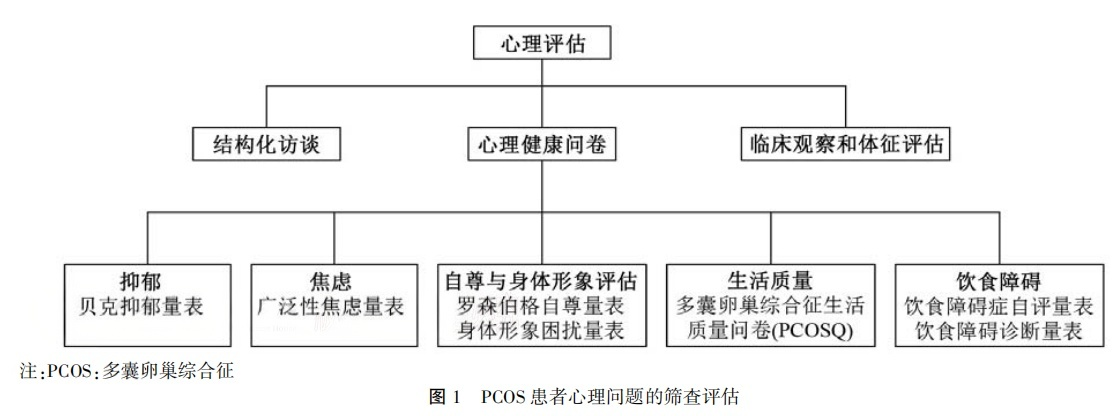
Psychological issues are both a predisposing factor for PCOS and directly affect disease control. Questionnaires or scales can be used for assessment (details in Figure 1).
2. Psychological Adjustment and Family Support
Cognitive Behavioral Therapy (CBT) and Acceptance and Commitment Therapy (ACT) are effective psychological interventions and should be guided by a specialist psychologist. Family support includes emotional care and understanding, lifestyle management, and emotional counseling, helping adolescent patients build self-esteem and confidence, develop healthy eating and exercise habits, relieve stress, and enhance their sense of security.
Question 8: How to screen, assess, and diagnose/treat adolescent PCOS patients?
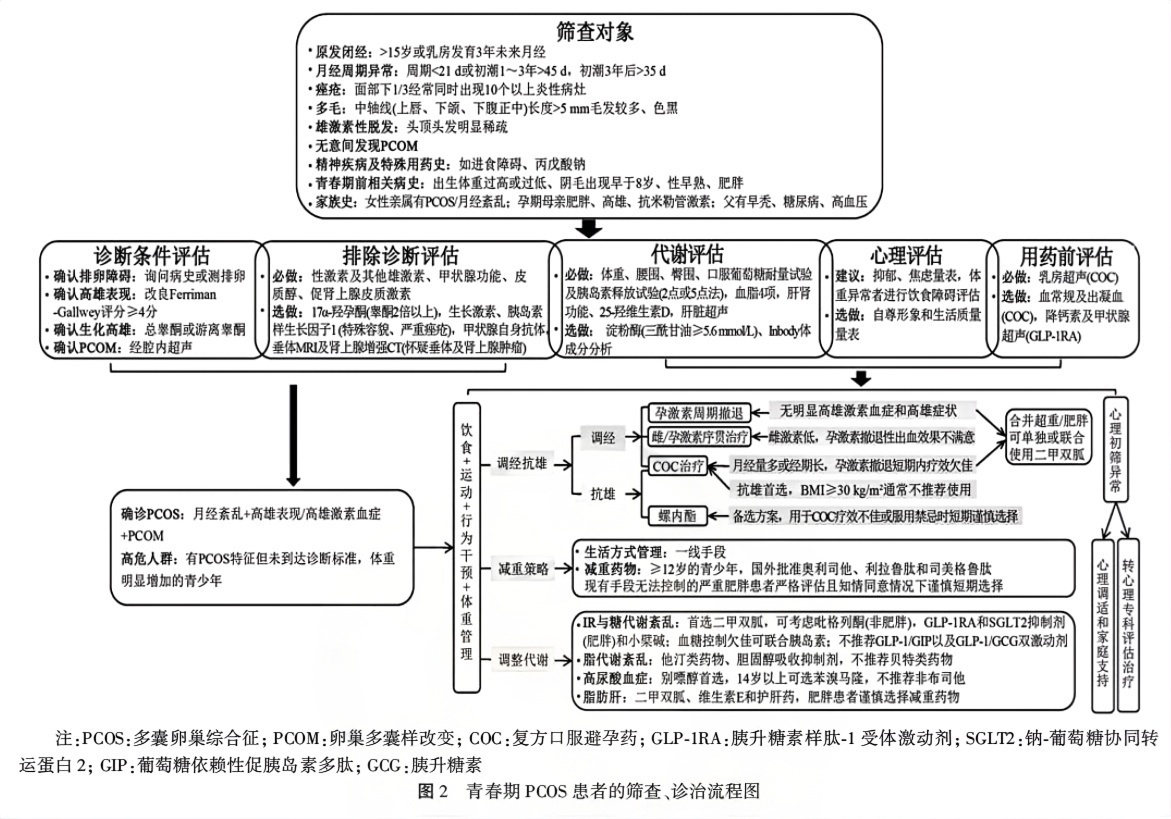
The screening, assessment, diagnosis, and treatment flowchart for adolescent PCOS patients is shown in Figure 2.
Conclusion
Identifying and managing adolescent PCOS and its comorbidities is significant not only for the immediate physical and mental health of adolescents but also for the prevention and control of long-term complications in adulthood. Currently, high-quality evidence for adolescent populations remains limited. The overall management strategy is based on lifestyle intervention combined with individualized pharmacotherapy, focusing on metabolic disorders and psychological health. Symptomatic treatment should also be actively provided for PCOS high-risk groups, with reassessment 8 years after menarche to confirm the diagnosis. The vertical continuous management of adolescent PCOS patients transitioning from pediatric to adult departments is an area requiring urgent attention, for which there is currently a lack of unified and standardized guidance. Future high-quality, large-sample clinical studies are needed to provide reliable evidence for optimizing adolescent PCOS management strategies.
Source: Chinese Journal of Endocrinology and Metabolism, November 2025, Vol. 41, No. 11
Editor:Lily