





















Guidelines for the Prevention and Treatment of Osteoporosis in Women with Early Menopause and Postmenopause (2026 Edition)
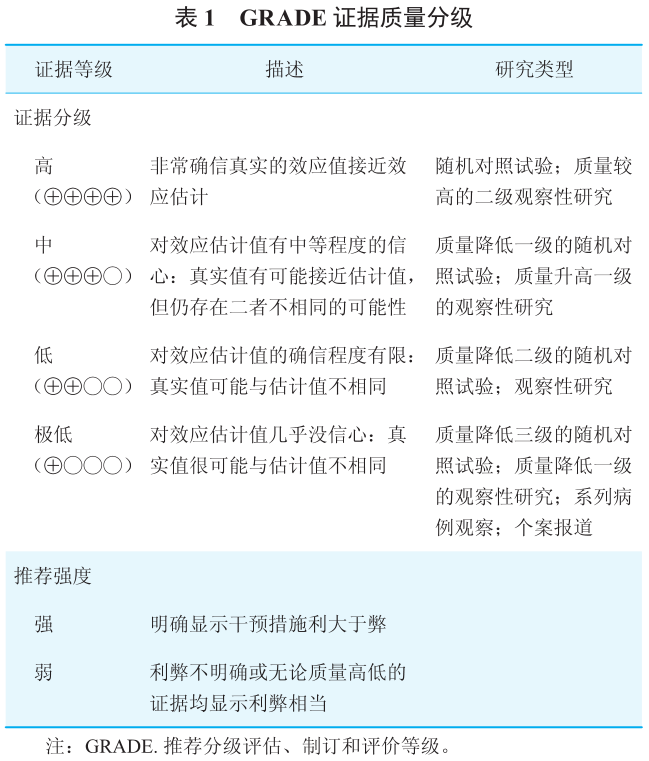
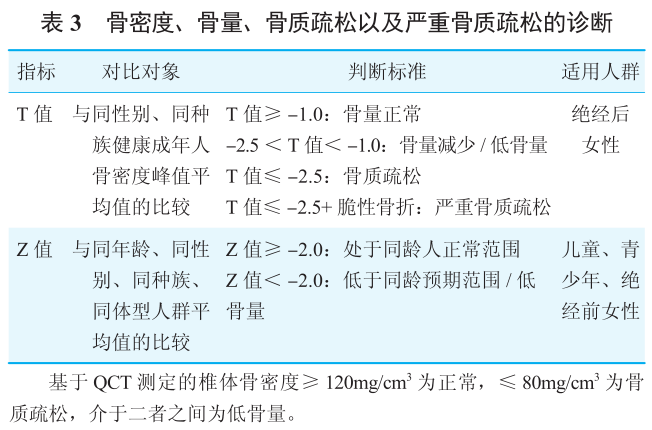
With the acceleration of population aging, menopause-related health issues in women have become increasingly prominent. Osteoporosis has emerged as a significant public health problem affecting women's health throughout their life cycle. In recent years, as evidence-based medicine continues to evolve and data from the Women's Health Initiative study are re-evaluated, the U.S. Food and Drug Administration (FDA) removed the "black box warning" associated with menopausal hormone therapy in 2025, further solidifying its core position in the primary prevention of postmenopausal osteoporosis. Addressing the epidemiological characteristics and clinical needs of women with early menopause and postmenopause (including Premature Ovarian Insufficiency, POI), this guideline was developed by a multidisciplinary expert panel. Through questionnaires, the panel identified key clinical questions, systematically searched and evaluated relevant evidence in Chinese and English, and used the GRADE (Grading of Recommendations, Assessment, Development, and Evaluations) system to rate the quality of evidence and strength of recommendations. The process culminated in 6 clinical questions and 24 recommendation statements. Presented in a "question-recommendation" format, the guideline provides specific advice on core aspects such as bone health screening and assessment, lifestyle interventions, hormone therapy strategies, long-term management of anti-osteoporotic drugs, non-hormonal adjuvant therapies, and the application value of ovarian tissue cryopreservation and transplantation in preventing POI and managing bone health. The aim is to provide a practical, standardized management pathway for clinical practice, promote standardized diagnosis and treatment of osteoporosis in women with early menopause and postmenopause, improve their bone health and quality of life, and, from a forward-looking perspective, emphasize the critical importance of protecting ovarian function and fertility from the outset for maintaining long-term skeletal health in women.
I. Overview of Osteoporosis Related to Early Menopause and Menopause
01 Definitions
1.1 Menopause
Menopause is clinically diagnosed when a woman has experienced 12 or more consecutive months of amenorrhea, with serum Follicle-Stimulating Hormone (FSH) levels ≥40 IU/L, accompanied by clinical symptoms related to estrogen deficiency. Menopause is categorized into natural menopause and induced menopause. Natural menopause results from the physiological depletion of ovarian follicles, while induced menopause refers to menopause caused by iatrogenic factors such as bilateral oophorectomy or pelvic radiotherapy.
1.2 Early Menopause
Menopause occurring between the ages of 40 and 45 is termed "early menopause."
1.3 Premature Ovarian Insufficiency (POI)
Premature Ovarian Insufficiency (POI) refers to the decline of ovarian function in women before the age of 40. The diagnostic criteria are: amenorrhea or oligomenorrhea/irregular menstruation lasting for at least 4 months, with at least two serum FSH measurements >25 IU/L (retested at 4-6 week intervals). Low estrogen levels and AMH testing can serve as auxiliary diagnostic indicators.
The etiology of Premature Ovarian Insufficiency (POI) is complex, primarily divided into iatrogenic and spontaneous factors. Previous studies showed varying prevalence rates of non-iatrogenic POI over time, with early reports around 1% and more recent studies indicating 3.5%–3.7%. Among non-iatrogenic POI cases, 70%–90% have an unknown cause and are classified as idiopathic POI. With advancements in medical technology and increased diagnostic needs, the proportion of POI cases due to iatrogenic factors has been rising annually and currently approaches 50%.
02 Examination and Diagnostic Methods for Osteoporosis
Dual-energy X-ray Absorptiometry (DXA) is currently the most widely accepted method for measuring Bone Mineral Density (BMD). It is used for diagnosing osteoporosis, assessing fracture risk, and monitoring drug efficacy. For the clinical diagnosis of osteoporosis, the lowest T-score measured in the axial skeleton (lumbar vertebrae 1–4, femoral neck, and total hip) is used for determination. For individuals unable to undergo axial measurements for various reasons, the T-score from the distal one-third radius can serve as an alternative. Quantitative Computed Tomography (QCT), based on clinical CT scan data calibrated with a QCT phantom and analyzed with specialized software, enables BMD measurement. This method has become relatively widespread in healthcare institutions across China.
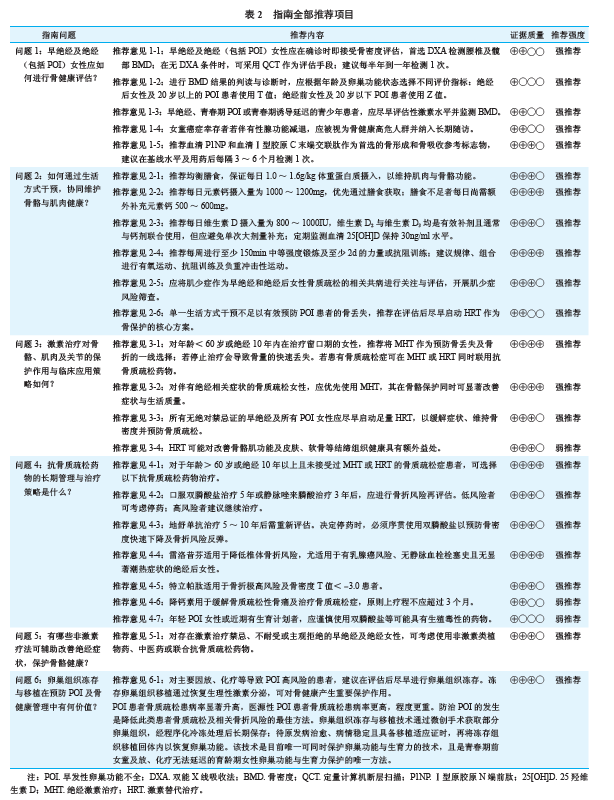
Osteoporosis can be categorized into primary and secondary types. Primary osteoporosis includes postmenopausal osteoporosis (type I), age-related osteoporosis (type II), and idiopathic osteoporosis (juvenile type). The osteoporosis focused on in this guideline is primarily postmenopausal osteoporosis. According to the World Health Organization (WHO) diagnostic classification and recommendations from the International Society for Clinical Densitometry (ISCD), BMD results measured by DXA need to be converted to T-scores and Z-scores for diagnostic purposes. The specific diagnostic criteria for normal bone density, low bone mass (osteopenia), osteoporosis, and severe osteoporosis are detailed in Table 3.
For patients with a confirmed diagnosis or a high clinical suspicion of osteoporosis, the following basic examinations should be completed:
① Laboratory Tests: Complete blood count, urinalysis, erythrocyte sedimentation rate, liver and kidney function tests, serum calcium, phosphorus, alkaline phosphatase, 25-hydroxyvitamin D (25[OH]D), parathyroid hormone, bone turnover markers (BTMs), serum protein electrophoresis, urinary calcium, phosphorus, and creatinine.
② Skeletal X-ray Examination. In postmenopausal osteoporosis patients, serum calcium, phosphorus, and alkaline phosphatase levels are typically within the normal range, with BTMs only mildly elevated. If a fracture occurs, serum alkaline phosphatase levels may rise slightly.
If the results of the above laboratory tests are abnormal, further examinations such as erythrocyte sedimentation rate, 25(OH)D, parathyroid hormone, and thyroid function tests should be conducted to identify the cause. BTMs are intermediate metabolites or enzymes produced during bone turnover. Serum procollagen type 1 N-terminal propeptide (P1NP) is recommended as a sensitive marker for bone formation, and serum C-terminal telopeptide of type I collagen (CTX) is recommended as a sensitive marker for bone resorption. These are used to determine the type of bone turnover, assess bone metabolic status, and monitor the effectiveness of osteoporosis treatment. It is recommended to test these markers at baseline and every 3 to 6 months after initiating medication.
II. Clinical Question Recommendations and Explanations in This Guideline
01 Screening and Assessment Strategies
Guideline Question 1: How should bone health assessment be conducted in women with early menopause and postmenopause (including POI)?
Recommendation 1-1: Women with early menopause and postmenopause (including POI) should undergo bone density assessment at the time of diagnosis, with DXA of the lumbar spine and hip being the preferred method. When DXA is unavailable, QCT can be used as an assessment tool. Follow-up testing is recommended every 6 months to 1 year. (Evidence level: ⊕⊕◯◯; Strength of recommendation: Strong)
Recommendation 1-2: For the interpretation and diagnosis of BMD results, different evaluation indices should be selected based on age and ovarian function status: T-scores should be used for postmenopausal women and POI patients over 20 years old; Z-scores should be used for premenopausal women and POI patients under 20 years old. (Evidence level: ⊕◯◯◯; Strength of recommendation: Strong)
Recommendation 1-3: For patients with early menopause, adolescent POI, or adolescent girls with delayed puberty induction, sex hormone levels should be assessed early, and BMD should be monitored. (Evidence level: ⊕⊕◯◯; Strength of recommendation: Strong)
Recommendation 1-4: Female childhood cancer survivors with hypogonadism should be considered a high-risk population for bone health and included in long-term follow-up. (Evidence level: ⊕⊕◯◯; Strength of recommendation: Strong)
Recommendation 1-5: Serum P1NP and serum CTX are recommended as the preferred reference markers for bone formation and bone resorption, respectively. It is suggested to test these markers at baseline and then every 3 to 6 months after initiating medication. (Evidence level: ⊕⊕⊕◯; Strength of recommendation: Strong)
Explanation of Recommendations
Osteoporosis in women with early menopause and postmenopause (including POI) often presents with no obvious clinical symptoms in the early stages. As the condition progresses, pain, skeletal deformities, and fragility fractures may gradually appear, significantly impacting patients' psychological health and quality of life. The onset of postmenopausal osteoporosis is primarily associated with a sharp decline in estrogen levels, with the most significant bone loss occurring within 5-10 years after menopause. Women with early menopause and POI patients, due to prolonged low estrogen states, experience earlier onset and longer duration of bone loss, leading to a significantly increased lifetime fracture risk. Systematic review results indicate that compared to women with normal menopausal age, those with a menopausal age <47 years have a 30%–40% increased risk of developing osteoporosis. Therefore, bone density screening should be initiated earlier in women with early menopause compared to those with normal menopause, with strict follow-up assessments based on risk stratification. Existing research shows that among young adult POI populations, women with POI have significantly lower lumbar spine and femoral neck BMD compared to healthy age-matched controls, with a markedly higher prevalence of low bone mass and osteoporosis. Moreover, the degree of bone mass impairment is usually more severe in iatrogenic POI patients. Although current research findings on fracture risk in women with POI are not entirely consistent, the overall evidence suggests that their overall fracture risk and fragility fracture risk are higher than the general population. Estrogen plays a crucial role in bone accumulation and is a key hormone in peak bone mass formation. Adolescent POI, Turner syndrome, and childhood cancer survivors face the risk of reduced bone mass at diagnosis due to premature estrogen deficiency affecting peak bone mass attainment. China has not yet established a pediatric and adolescent BMD reference standard, and data on bone health in adolescent POI females is relatively limited. However, existing research results indicate that adolescent hypogonadism, delayed initiation of estrogen supplementation, and inadequate puberty induction are core factors leading to their low bone density. For female cancer survivors who have not developed POI, their BMD shows no significant difference from healthy controls, suggesting that bone loss in this population is mainly related to ovarian function loss. The ISCD suggests that for women who have not reached peak bone mass, the terms "low bone mass" or "low bone density" can be used when BMD is more than 2.0 standard deviations below the age- and sex-matched reference population (Z-score < -2.0). However, this recommendation is not specific to young POI women. The International Osteoporosis Foundation proposes that for young adults with chronic diseases known to affect bone metabolism, a T-score ≤ -2.5 can continue to be used as the diagnostic criterion for osteoporosis.
Other common risk factors for low bone mass associated with Premature Ovarian Insufficiency (POI) include: age of onset <20 years, smoking, lack of regular exercise, low body mass index (BMI), insufficient serum calcium and vitamin D levels, irregular adherence to Hormone Replacement Therapy (HRT), and delayed diagnosis of POI by more than 1 year leading to lag in initiating estrogen supplementation therapy. Therefore, for POI populations with the above risk factors, sex hormone levels should be assessed early, standard hormone replacement therapy should be initiated promptly, and long-term bone health follow-up monitoring should be conducted to reduce the risks associated with low bone mass and osteoporosis.
02 Non-Pharmacological Intervention: Lifestyle Medicine
Guideline Question 2: How can lifestyle interventions synergistically maintain bone and muscle health?
Recommendation 2-1: A balanced diet is recommended. Daily protein intake is suggested to be 1.0–1.6 g/kg body weight to maintain normal muscle and bone function. (Evidence level: ⊕⊕⊕◯; Strength of recommendation: Strong)
Recommendation 2-2: A daily elemental calcium intake of 1000–1200 mg is recommended, preferably through diet. If dietary intake is insufficient, a daily supplement of 500–600 mg elemental calcium is required. (Evidence level: ⊕⊕⊕⊕; Strength of recommendation: Strong)
Recommendation 2-3: A daily vitamin D intake of 800–1000 IU is recommended. Both vitamin D2 and D3 are effective supplements and are often used in combination with calcium, but single high-dose supplementation should be avoided. Regular monitoring of serum 25(OH)D levels is advised, aiming to maintain levels at or above 30 ng/ml. (Evidence level: ⊕⊕⊕◯; Strength of recommendation: Strong)
Recommendation 2-4: At least 150 minutes of moderate-intensity aerobic exercise per week and at least 2 days of strength/resistance training are recommended. A combination of aerobic exercise, resistance training, and weight-bearing/impact exercises is advised. (Evidence level: ⊕⊕⊕⊕; Strength of recommendation: Strong)
Recommendation 2-5: Sarcopenia should be recognized as a relevant comorbidity in women with early menopause and postmenopause, warranting focused attention, assessment, and screening for sarcopenia risk. (Evidence level: ⊕⊕⊕◯; Strength of recommendation: Strong)
Recommendation 2-6: Single lifestyle interventions are insufficient to effectively prevent bone loss in POI patients. It is recommended to initiate Hormone Replacement Therapy (HRT) as the core bone-protective treatment regimen as soon as possible after assessment. (Evidence level: ⊕⊕◯◯; Strength of recommendation: Strong)
Explanation of Recommendations
Lifestyle intervention forms the foundation of bone health management for women with early menopause and postmenopause. Given adequate calcium intake, consuming higher quality protein helps maintain lumbar spine and femoral neck BMD and is associated with a reduced risk of hip fracture. According to the "Chinese Dietary Guidelines (2022)" and the "U.S. Dietary Guidelines (2025-2030)," daily protein intake for women with early menopause and postmenopause should be controlled at 1.0–1.6 g/kg body weight to maintain normal bone and muscle function. A balanced, healthy dietary pattern has a synergistic protective effect on bone health. Relevant evidence from both domestic and international sources supports a diet where daily staple food is primarily grains, ensuring adequate intake of calcium and high-quality protein, consuming more dairy, soy products, vegetables, and fresh fruits; consuming moderate amounts of animal-based foods like fish, poultry, eggs, and lean meat, prioritizing fish and poultry, and not discarding egg yolks. Simultaneously, it is essential to strictly adhere to dietary principles: low salt (<5g/day), low oil (25–30g/day), controlled sugar (<25g/day), limited alcohol (adult daily alcohol intake not exceeding 15g), and adequate water intake (1500–1700 ml/day).
Adequate calcium and vitamin D intake are fundamental measures for maintaining bone health and reducing fracture risk. It is recommended that women with early menopause and postmenopause have a daily elemental calcium intake of 1000–1200 mg, primarily obtained through diet. If dietary intake is insufficient, an additional supplement of 500–600 mg of elemental calcium per day is needed. The tolerable upper intake level for calcium is 2000 mg/day. Excessive calcium supplementation may increase the risk of kidney stones and cardiovascular events. Vitamin D is an essential fat-soluble vitamin, with its core function being the regulation of calcium and phosphorus metabolism, crucial for maintaining normal bone and neuromuscular system function. Serum 25(OH)D level is the key indicator for assessing vitamin D nutritional status, with levels <20 ng/ml indicating deficiency, 20–30 ng/ml indicating insufficiency, and 30–100 ng/ml indicating sufficiency. A daily vitamin D intake of 800–1000 IU is recommended for women with early menopause and postmenopause, typically combined with calcium supplements to enhance bone health protection. Approximately 90% of the vitamin D required by the human body is synthesized in the skin. The "Expert Consensus on Vitamin D Nutritional Status Assessment and Improvement" suggests that approximately 30 minutes of daily sun exposure (including diffuse light) can essentially meet the body's vitamin D needs. Simultaneously, intake of foods rich in vitamin D, such as fatty fish, animal liver, and egg yolks, should be ensured. The "Guidelines for the Diagnosis and Treatment of Primary Osteoporosis (2022)" recommend that osteoporosis patients maintain serum 25(OH)D levels at or above 30 ng/ml. Both vitamin D2 and D3 supplements are equally effective in raising serum 25(OH)D levels. The "European Menopause Society Position Statement: Vitamin D and Menopausal Health (2023)" proposes a personalized supplementation approach, with regular monitoring of serum 25(OH)D levels every 3–6 months based on patient adherence and BMI to ensure target levels are reached and maintained; obese patients typically require higher vitamin D supplement doses.
Regular physical exercise is an important intervention for maintaining BMD, improving muscle strength, and reducing fall risk. Evidence-based medicine supports a reasonable combination of aerobic exercise, resistance training, and weight-bearing/impact exercises, tailored individually based on fracture risk and physical condition. The International Menopause Society recommends at least 150 minutes of moderate-intensity exercise per week, combined with at least 2 days of strength or resistance training. Several domestic expert consensuses recommend a combined exercise regimen: at least 150 minutes of moderate-intensity exercise per week, including moderate-intensity aerobic training 3 times per week, 2–3 sets per session, for 12 weeks; exercise frequency should be at least 3 days per week, with daily activity duration not less than 30 minutes. It is important to note that, whether exercising outdoors or at home, activities should be performed according to one's capability, considering personal health assessment results to reasonably determine the type, duration, frequency, and intensity of exercise. For patients with severe osteoporosis, excessive spinal flexion, rotation, and high-impact exercises should be avoided to reduce the risk of secondary fractures. Furthermore, exercise therapies like yoga, Tai Chi, Baduanjin, and Wuqinxi can effectively alleviate low back pain, increase BMD, and improve limb balance. Smoking is a clear clinical risk factor for fractures; excessive alcohol consumption (daily alcohol intake ≥3 units, approximately 24g) is an independent risk factor for fractures. Therefore, patients with postmenopausal osteoporosis and POI should strictly quit smoking and limit alcohol, while also avoiding excessive consumption of strong coffee, strong tea, and caffeinated beverages to minimize adverse effects on bone health.
Sarcopenia is a common comorbidity in women with early menopause and postmenopause, closely associated with the risk of fractures, falls, and functional impairment. Muscle function plays a vital role in maintaining skeletal stability and preventing fall-related fractures, with falls being the primary direct trigger for osteoporotic fractures. Therefore, postmenopausal women should routinely undergo fall risk assessment and implement comprehensive interventions, including exercise training and home environment fall prevention optimization. Simultaneously, health education and psychological support should be strengthened to alleviate patients' fear of falls and fractures, improving long-term treatment adherence and quality of life. Estrogen deficiency is an important mechanism in the development of sarcopenia in postmenopausal women. Research confirms that estrogen replacement therapy can promote myofibrillar protein synthesis, helping maintain muscle strength. Clinical observations show that postmenopausal women receiving long-term hormone therapy have higher muscle mass levels and a relatively lower incidence of sarcopenia. However, there is currently insufficient evidence to support the use of hormones for treating sarcopenia in postmenopausal women. Non-pharmacological treatment combined with regular, combined physical exercise is the most effective method for preventing sarcopenia in postmenopausal women. Muscle mass is a core diagnostic indicator for sarcopenia. Clinically, the Appendicular Skeletal Muscle Mass Index (ASMI) is commonly used to assess muscle mass and diagnose sarcopenia. The formula is ASMI = Appendicular Skeletal Muscle Mass (kg) / height² (m²). Common detection methods include DXA and multi-frequency bioelectrical impedance analysis. Specific diagnostic criteria can refer to the "Chinese Guidelines for the Diagnosis and Treatment of Sarcopenia (2024)." It is particularly important to emphasize that for women with POI, although a healthy lifestyle is significant, existing evidence consistently indicates that single lifestyle interventions are insufficient to effectively prevent bone loss. Standard Hormone Replacement Therapy (HRT) should be initiated as the core bone-protective regimen as soon as possible after systematic assessment.
03 Core Treatment: The Application and Benefits of Hormone Therapy in Osteoporosis
Guideline Question 3: What are the protective effects on bone, muscle, and joints, and the clinical application strategies of hormone therapy?
Recommendation 3-1: For women aged <60 years or within 10 years of menopause (the therapeutic window), Menopausal Hormone Therapy (MHT) is recommended as a first-line option for preventing bone loss and fractures. It is important to note that discontinuing MHT leads to rapid bone loss. If osteoporosis is already diagnosed, anti-osteoporotic drugs can be used in combination with MHT or Hormone Replacement Therapy (HRT). (Evidence level: ⊕⊕⊕⊕; Strength of recommendation: Strong)
Recommendation 3-2: For osteoporotic women with menopausal symptoms, MHT should be prioritized. In addition to providing skeletal protection, it can significantly alleviate menopausal symptoms and improve patients' quality of life. (Evidence level: ⊕⊕⊕⊕; Strength of recommendation: Strong)
Recommendation 3-3: All women with early menopause or Premature Ovarian Insufficiency (POI) without absolute contraindications should initiate adequate-dose HRT as early as possible to alleviate menopausal symptoms, maintain BMD, and effectively prevent osteoporosis. (Evidence level: ⊕⊕⊕◯; Strength of recommendation: Strong)
Recommendation 3-4: HRT may have additional benefits for improving skeletal muscle function, as well as the health of skin, cartilage, and other connective tissues. (Evidence level: ⊕⊕⊕◯; Strength of recommendation: Weak)
Explanation of Recommendations
Menopausal Hormone Therapy (MHT), also known as Hormone Replacement Therapy (HRT), refers to medical interventions that supplement exogenous hormones to alleviate menopausal symptoms and prevent menopause-related diseases. In the physiological replacement therapy for patients with Premature Ovarian Insufficiency (POI), the term HRT is commonly used in clinical practice. MHT is an effective means for preventing bone loss and osteoporotic fractures in women with early menopause and postmenopause. Its bone-protective effects have been consistently recognized and supported by relevant domestic and international guidelines. All women with POI or early menopause without absolute contraindications should initiate adequate-dose HRT as early as possible, and treatment should be maintained at least until the average age of natural menopause. This is a fundamental principle for bone health management in this population. Specific details can be referred to in the "Expert Consensus on Clinical Diagnosis and Treatment of Premature Ovarian Insufficiency (2023 Edition)" and the "Guidelines for Clinical Treatment and Management of Iatrogenic Premature Ovarian Insufficiency." For women with normal menopause, estrogen dosage should be appropriately adjusted with increasing age and years since menopause. Simultaneously, the MHT regimen should be individualized based on the patient's physiological age, menopausal status, years since menopause, and symptom assessment results. Meta-analysis results show that MHT significantly reduces the risk of vertebral, non-vertebral, and hip fractures in postmenopausal women by 25%–40%. Studies in Chinese populations also confirm that MHT can maintain or increase BMD in perimenopausal, early menopausal, and POI women, effectively delaying bone loss. It is important to clarify that the bone-protective effects of MHT gradually diminish after discontinuation, but early and standardized use can provide certain long-term residual benefits. Furthermore, studies indicate that MHT, in addition to its clear bone-protective effects, also benefits skin, cartilage, and other connective tissues. It may have synergistic protective effects on skeletal muscle function, joint cartilage, and other connective tissues, helping to improve muscle strength, joint function, and overall quality of life. Regarding the timing of MHT initiation, the following points require focused attention.
Timing of Initiation: The choice of MHT regimen requires individualized decision-making based on factors such as whether the patient has a uterus, menopausal stage, symptom characteristics, and individual risk factors. Guidelines from major global societies, including the International Menopause Society, Asia Pacific Menopause Federation, and Chinese Menopause Management Guidelines, have clearly established the MHT "therapeutic window" theory, with specific requirements as follows:
① For women aged <60 years or within 10 years of menopause, the benefits of initiating MHT for skeletal and overall health significantly outweigh potential risks.
② For women aged 60–70, initiating MHT requires individualized benefit-risk assessment, consideration of other effective treatment drugs, and using the lowest effective dose.
③ Initiating MHT is not recommended for women over 70 years old. It is particularly important to clarify that the "therapeutic window" specifically refers to the "initiation timing" of MHT, not the "termination time limit." As long as MHT is initiated within the window period and the patient has no treatment contraindications, long-term use is possible, with no specific time limit for termination currently defined.
Pre-Treatment Assessment: Hormone therapy can be used for primary prevention of osteoporosis in women with early menopause and postmenopause, but thorough individualized assessment is required before application, with specific requirements as follows:
① For those with indications for hormone therapy, no treatment contraindications, and willingness to undergo treatment, an individualized treatment plan can be formulated based on individual circumstances.
② Hormone therapy is strictly prohibited for those with treatment contraindications.
③ Absolute contraindications include: known or suspected pregnancy; for perimenopausal women with menstrual disorders, issues like intrauterine pregnancy, ectopic pregnancy, and trophoblastic disease must first be ruled out; unexplained vaginal bleeding; estrogen-dependent tumors (e.g., breast cancer, endometrial cancer); severe liver or kidney dysfunction (for those with abnormal liver/kidney function, transdermal hormone therapy can be recommended; if repeated tests show liver/kidney function indicators 2–3 times above normal, referral to internal medicine for standardized management is advised first); current meningioma (progestogen is contraindicated).
Regimen Selection: Individualized selection of estrogen, progestogen, and tibolone regimens based on whether the patient has a uterus, menopausal stage, and risk factors.
① Estrogen-only supplementation regimen is suitable for women who have undergone hysterectomy. Administration methods: Oral conjugated equine estrogens 0.45–0.625 mg/d; Estradiol gel 0.5–2 measured doses/d applied to skin on arms, thighs, buttocks, etc., avoiding breasts and perineum; Oral estradiol valerate 0.5–2 mg/d.
② Sequential estrogen-progestogen regimen is suitable for postmenopausal women with an intact uterus who still desire menstrual-like bleeding. Administration methods: For continuous sequential regimen, choose estradiol/estradiol-dydrogesterone tablets (1/10 or 2/10 dosage) 1 tablet/d for 28 days; For cyclical sequential regimen, use estradiol valerate tablets/estradiol cyproterone acetate tablets 1 tablet/d for 21 days, then stop for 7 days before starting the next cycle; or oral conjugated estrogens/estradiol valerate tablets for 28 days, with an appropriate dose of progestogen added in the last 14 days. Estradiol sequential dydrogesterone compound preparation (trade name: Femoston) is the guideline-preferred hormone therapy regimen. Studies show that both 1 mg and 2 mg estradiol combined with dydrogesterone can significantly increase BMD.
③ Continuous combined estrogen-progestogen regimen is suitable for postmenopausal women with an intact uterus who do not desire menstrual-like bleeding. Compound preparations can be used, such as estradiol-dydrogesterone tablets (each containing 0.5 mg estradiol, 2.5 mg dydrogesterone) 1 tablet/d continuously; or estradiol-drospirenone tablets (each containing 1 mg estradiol, 2 mg drospirenone) 1 tablet/d continuously. Alternatively, continuous oral estrogen (conjugated equine estrogens 0.45–0.625 mg/d, estradiol valerate 1–2 mg/d) or transdermal estrogen (estradiol gel 0.75–1.5 mg/d) can be used, combined with oral dydrogesterone (5–10 mg/d) or micronized progesterone (100–200 mg/d). For women who already have a levonorgestrel-releasing intrauterine system (LNG-IUS) in place, only daily oral or transdermal estrogen is needed. Estradiol-dydrogesterone tablets (trade name: Angeliq) contain 0.5 mg/d estradiol per tablet, which is the FDA-approved dose for bone conservation. Research shows that oral 0.5 mg/d estradiol can significantly increase BMD in postmenopausal women and those with postmenopausal osteoporosis.
④ Tibolone treatment: 1.25–2.5 mg/d continuously.
Duration of Use and Follow-up: There is no defined time limit for hormone therapy use. After discontinuing hormone therapy, its bone-protective effects gradually decline at an unpredictable rate. Regular follow-up during hormone therapy is crucial. Specific follow-up requirements are as follows: follow-up at 1, 3, 6, and 12 months after initiation, then every 12 months thereafter. Follow-up focuses include understanding symptom relief, bone health status, and related risk changes, explaining potential adverse reactions like breast tenderness and unexpected bleeding during treatment, individualizing treatment adjustments based on follow-up results, and encouraging suitable patients to adhere to regular treatment.
Safety: With proper assessment and follow-up, hormone therapy is generally safe and controllable in suitable populations. The following points require focused attention:
① For women with a uterus, an adequate dose and duration of progestogen must be added to the hormone therapy regimen to protect the endometrium and prevent endometrial cancer. The duration of progestogen use should be ≥12–14 days per month.
② Breast cancer is an absolute contraindication for hormone therapy. The increased risk of breast cancer associated with hormone therapy is mainly related to the progestogen added to the regimen and the duration of progestogen use. Among progestogens, micronized progesterone and dydrogesterone are associated with a lower breast cancer risk. Existing research indicates that for postmenopausal women with no personal history of malignancy and who are BRCA1 gene positive, hormone therapy does not increase breast cancer risk. Currently, data for BRCA2 gene-positive women are incomplete. For BRCA1/2 gene-positive women who have undergone prophylactic oophorectomy, hormone therapy also does not increase breast cancer risk.
③ The risk of venous thromboembolism (VTE) increases with age and is positively correlated with obesity. Oral hormone therapy increases the risk of VTE events. For women with a personal history of VTE or high VTE risk (BMI >30 kg/m², smoking, family history of thrombophilia), transdermal estrogen regimens are preferred. Furthermore, natural progestogens (like micronized progesterone, dydrogesterone) are associated with a lower VTE risk compared to synthetic progestogens and are recommended.
04 Selection of Other Anti-Osteoporotic Drugs
Guideline Question 4: What are the long-term management and treatment strategies for anti-osteoporotic drugs?
Recommendation 4-1: For osteoporosis patients aged >60 years, or more than 10 years postmenopausal, and who have not received Menopausal Hormone Therapy (MHT) or Hormone Replacement Therapy (HRT), appropriate anti-osteoporotic drugs can be selected for treatment. (Evidence level: ⊕⊕⊕⊕; Strength of recommendation: Strong)
Recommendation 4-2: After completing 5 years of oral bisphosphonate therapy or intravenous zoledronic acid treatment, fracture risk should be re-evaluated. Patients with low fracture risk may consider drug holidays, while those with high fracture risk are advised to continue treatment. (Evidence level: ⊕⊕⊕◯; Strength of recommendation: Strong)
Recommendation 4-3: After 5–10 years of denosumab treatment, bone health status and fracture risk should be re-evaluated. If discontinuation is decided, bisphosphonates must be used sequentially to prevent rapid bone loss and rebound in fracture risk. (Evidence level: ⊕⊕⊕◯; Strength of recommendation: Strong)
Recommendation 4-4: Raloxifene is suitable for reducing vertebral fracture risk in postmenopausal women, especially those with breast cancer risk, no history of VTE, and without significant hot flashes. (Evidence level: ⊕⊕⊕⊕; Strength of recommendation: Strong)
Recommendation 4-5: Teriparatide is suitable for very high fracture risk populations and osteoporosis patients with a T-score < -3.0. (Evidence level: ⊕⊕⊕◯; Strength of recommendation: Strong)
Recommendation 4-6: Calcitonin can be used to alleviate osteoporotic bone pain and as an adjuvant treatment for osteoporosis, with a treatment course原则上 not exceeding 3 months. (Evidence level: ⊕⊕◯◯; Strength of recommendation: Weak)
Recommendation 4-7: For young Premature Ovarian Insufficiency (POI) women or those with recent fertility plans, bisphosphonates and other anti-osteoporotic drugs with potential reproductive toxicity should be used with caution. (Evidence level: ⊕◯◯◯; Strength of recommendation: Weak)
Explanation of Recommendations
Osteoporosis is a chronic, lifelong disease. Anti-osteoporotic drug treatment should follow individualized and long-term principles. The minimum treatment course for all anti-osteoporosis therapies should be 1 year. Before initiating drug treatment and before discontinuation, the risk of osteoporotic fractures must be comprehensively assessed. Patients should undergo fracture risk stratification management and long-term dynamic evaluation. For osteoporosis patients aged >60 years, or more than 10 years postmenopausal, and who have not received MHT/HRT, anti-osteoporotic drugs can be chosen for treatment. Commonly used clinical anti-osteoporotic drugs mainly include bisphosphonates, denosumab, Selective Estrogen Receptor Modulators (SERMs), parathyroid hormone analogs, and calcitonin. Currently, the selection of drug therapy for osteoporosis is gradually shifting towards a treatment strategy based on fracture risk stratification, primarily implementing individualized treatment for populations with high and very high fracture risk. Specific diagnostic and treatment standards can be referred to in the "Guidelines for the Diagnosis and Treatment of Primary Osteoporosis (2022)."
Bisphosphonates are first-line drugs for treating postmenopausal osteoporosis. For patients who have completed 5 years of oral bisphosphonate therapy or 3 years of intravenous zoledronic acid, a comprehensive assessment of their condition is recommended to determine whether to continue medication. Except for patients with high fracture risk, prolonged use (>5 years) of bisphosphonates is not recommended. Given that bisphosphonates persist in bone tissue for a long time, they should be used cautiously in young POI women or those with fertility plans, with full assessment of potential reproductive risks. Denosumab can significantly increase BMD and reduce fracture risk, making it suitable for populations with moderate to high fracture risk. Related systematic reviews indicate that denosumab effectively increases BMD in the lumbar spine, total hip, femoral neck, and whole body, significantly reducing fracture risk. It is important to note that after discontinuing denosumab, rapid BMD decline and rebound in vertebral fracture risk can occur. Therefore, after 5–10 years of use, fracture risk should be re-evaluated. After discontinuation, sequential use of anti-resorptive drugs like bisphosphonates is recommended to maintain bone health. Raloxifene is a commonly used SERM. An 8-year clinical study confirmed that raloxifene significantly reduces vertebral fracture risk and also reduces the risk of receptor-positive breast cancer. However, this drug is not suitable for populations with a high risk of VTE. Teriparatide, as a commonly used parathyroid hormone analog, is a potent anti-osteoporotic drug that effectively promotes bone formation. Related research shows that in postmenopausal women with severe osteoporosis, teriparatide significantly reduces vertebral and non-vertebral fracture risks. Both domestic and international guidelines clearly recommend teriparatide for patients with very high fracture risk and those with severely reduced BMD (T-score < -3.0). It is also recommended for use in the perioperative period of fractures and for long-term treatment after fractures. Calcitonin has relatively weak anti-fracture effects. Relevant domestic and international guidelines clearly state that it is currently only recommended for short-term relief of acute or severe osteoporotic bone pain, with a treatment course原则上 not exceeding 3 months, and its use is relatively uncommon in young populations.
05 Auxiliary Application of Phytomedicines and Traditional Chinese Medicine
Guideline Question 5: What non-hormonal therapies can assist in alleviating menopausal symptoms and protecting bone health?
Recommendation 5-1: For women with early menopause and postmenopause who have contraindications to hormone therapy, cannot tolerate it, or subjectively refuse it, non-hormonal phytomedicines and Traditional Chinese Medicine (TCM) interventions can be considered. These can also be combined with anti-osteoporotic drugs. (Evidence level: ⊕⊕⊕◯; Strength of recommendation: Strong)
Explanation of Recommendations
For women with contraindications to hormone therapy, intolerable side effects, or those who are unwilling to undergo hormone therapy, non-hormonal phytomedicines and Chinese patent medicines are important options for managing menopausal symptoms and supporting bone health. For breast cancer survivors experiencing menopausal symptoms, black cohosh (Cimicifuga racemosa) isopropanolic extract (trade name: Remifemin) has clear advantages in regulating bone metabolism, improving trabecular bone structure and quality, and is effective in alleviating menopausal vasomotor symptoms. Its long-term safety is established, with no estrogen-like proliferative effects found. Soy isoflavones are natural phytoestrogens with a chemical structure similar to human estrogen. Breast cancer patients should use them cautiously. Currently, the bone-protective effects of non-hormonal phytomedicines require further validation through more long-term clinical studies.
Currently, Traditional Chinese Medicine (TCM) has clear efficacy and unique advantages in the prevention and treatment of osteoporosis. TCM theory posits that although the disease location of osteoporosis is in the bone, it is closely related to the functions of the liver, spleen, and kidneys. Its core syndrome patterns mainly include liver-kidney yin deficiency, spleen-kidney yang deficiency, and kidney deficiency with blood stasis. Based on this, TCM treatment for osteoporosis focuses on the principles of tonifying the liver and kidneys, activating blood circulation and resolving stasis, supplementing qi and strengthening the spleen, and strengthening tendons and bones, ultimately aiming to increase bone mass and reduce fracture risk. Gushukang is a Chinese patent medicine explicitly included in the "Chinese Pharmacopoeia" for treating osteoporosis. Relevant studies confirm that it can effectively regulate bone metabolism, increase BMD, alleviate bone pain, maintain normal estrogen levels in the body, and has clear therapeutic effects on promoting calcium absorption and improving bone and muscle quality. Kuntai Capsule has shown good effects in preventing and treating postmenopausal osteoporosis. Research data indicates that combining Kuntai Capsule with conventional anti-osteoporosis treatment can increase the total effective rate from 74.47% to 91.67%, lower bone-specific alkaline phosphatase levels, improve bone metabolism, and effectively increase patient BMD, providing important support for the prevention and treatment of postmenopausal osteoporosis.
Non-hormonal phytomedicines, TCM pattern differentiation treatment, or integrated traditional Chinese and Western medicine can be used in specific populations to alleviate osteoporosis-related pain, improve clinical symptoms, and enhance quality of life. It is important to clarify that current clinical evidence for Chinese patent medicines used alone or combined with conventional Western medicine for osteoporosis is still relatively lacking, and evidence regarding their reduction of osteoporotic fracture risk is also insufficient. For patients with moderate to severe osteoporosis, an integrated traditional Chinese and Western medicine treatment plan is recommended to further enhance therapeutic effects and reduce fracture risk.
06 Special Recommendation: Protecting Ovarian Function is Crucial for Bone Health
Guideline Question 6: What is the value of ovarian tissue cryopreservation and transplantation in preventing POI and bone health management?
Recommendation 6-1: For patients at high risk of Premature Ovarian Insufficiency (POI) due to factors like radiotherapy and chemotherapy, ovarian tissue cryopreservation is recommended as early as possible after comprehensive assessment. Transplanted cryopreserved ovarian tissue can protect bone health significantly by restoring the body's physiological hormone secretion.
The prevalence of osteoporosis is significantly higher in Premature Ovarian Insufficiency (POI) patients, with iatrogenic POI patients having an even higher prevalence and more severe condition. Therefore, preventing the occurrence of POI is the best way to reduce osteoporosis and related fracture risk in these patients. Ovarian tissue cryopreservation and transplantation involve obtaining part of the ovarian tissue via minimally invasive surgery, processing it with programmed freezing for long-term storage. When the patient's primary disease is cured, the condition is stable, and transplantation is indicated, the cryopreserved ovarian tissue is transplanted back to restore normal ovarian function. This technology is currently the only method that can simultaneously protect ovarian function and fertility. It is also the sole method for ovarian function and fertility preservation in prepubertal girls and women of reproductive age who cannot delay radiotherapy/chemotherapy (Evidence level: ⊕⊕⊕◯; Strength of recommendation: Strong).
Explanation of Recommendations
For patients needing radiotherapy/chemotherapy who are at clearly identified high risk for Premature Ovarian Insufficiency (POI), preventing POI is the fundamental strategy to reduce the risk of osteoporosis and fragility fractures. Measures to protect ovarian function and fertility should be considered as early as possible before treating the primary disease. Ovarian tissue cryopreservation is currently the only technology that can simultaneously protect ovarian function and fertility, and it is the sole method for ovarian function and fertility preservation in prepubertal girls and women of reproductive age who cannot delay radiotherapy/chemotherapy. After ovarian tissue cryopreservation and transplantation, the patient's endocrine function and fertility can be restored simultaneously. Specific application standards can be referred to in the "Clinical Application Guidelines for Ovarian Tissue Cryopreservation and Transplantation in the Prevention and Treatment of Iatrogenic Premature Ovarian Insufficiency" and the "Guidelines for Clinical Treatment and Management of Iatrogenic Premature Ovarian Insufficiency." Basic research confirms the significant advantages of ovarian tissue transplantation (OTT) in the field of bone protection. Animal experiments show that mice receiving OTT after ovariectomy have higher femoral BMD than the estrogen treatment group, with a 1.4 to 2.6 times lower risk of fractures. Data from mature clinical centers also indicate that after ovarian tissue cryopreservation and transplantation, the ovarian function recovery rate is nearly 100%, and serum estrogen levels can be maintained within the physiological range, suggesting effective restoration of ovarian endocrine function. Given the key regulatory role of estrogen in bone metabolism, restoring physiological ovarian hormone secretion is more conducive to long-term bone mass maintenance compared to exogenous estrogen supplementation.
III. Summary
The development of this guideline coincides with a critical period globally where the scientific value of menopausal hormone therapy is being rightly recognized. To actively address the severe challenge of high osteoporosis incidence in postmenopausal women, this guideline, for the first time, integrates diagnostic and treatment content related to women with early menopause (including POI) and postmenopause. It covers multiple dimensions including hormone therapy, lifestyle interventions, non-hormonal phytomedicines, Traditional Chinese Medicine conditioning, and anti-osteoporotic drugs, forming a multi-level, individualized osteoporosis diagnosis and treatment plan. Furthermore, with a forward-looking perspective, this guideline positions ovarian tissue cryopreservation technology as a future direction for protecting female endocrine function and maintaining skeletal health from the source. We hope that this scientific, systematic clinical practice guideline will effectively help improve bone health and enhance the long-term quality of life and overall well-being of women.
Graphic Source: Chinese Journal of Clinicians, 2026, Vol. 54, No. 4
Editor: Lily