





















Cervical insufficiency is a core cause of recurrent late miscarriage and spontaneous preterm birth in women, as well as a significant risk factor for perinatal morbidity and mortality. Cervical cerclage is the gold standard surgical procedure for preventing mid-trimester pregnancy loss and preterm birth due to cervical insufficiency. After cerclage failure, cervico-isthmic cerclage can be performed, achieving a neonatal survival rate of approximately 90%. However, when cervico-isthmic cerclage also fails, there is no globally recognized standard salvage treatment, presenting a major clinical dilemma.
A recent clinical study published in the International Journal of Gynecology & Obstetrics confirms that Total Cervical Occlusion (TCO) using the Saling technique can serve as an effective salvage measure for high-risk pregnant women after cervico-isthmic cerclage failure. By completely closing the external cervical os, blocking ascending pathogenic microorganisms, and preserving the protective cervical mucus plug, this procedure is straightforward, safe, and can significantly prolong gestational age and improve perinatal outcomes, offering a novel clinical solution for refractory cases of cervical insufficiency.
I. Core Research Question and Background
1. Clinical Dilemma
Cervical cerclage failure → Cervico-isthmic cerclage (transabdominal/transvaginal) → Risk of late miscarriage or preterm birth persists.
Definition of Cervico-isthmic Cerclage Failure: Late miscarriage or preterm birth before 34 weeks of gestation with the cerclage still in place.
Causes of Failure: Ascending microbial infection, membrane prolapse, premature cervical ripening, etc.
2. Value of Total Cervical Occlusion (TCO)
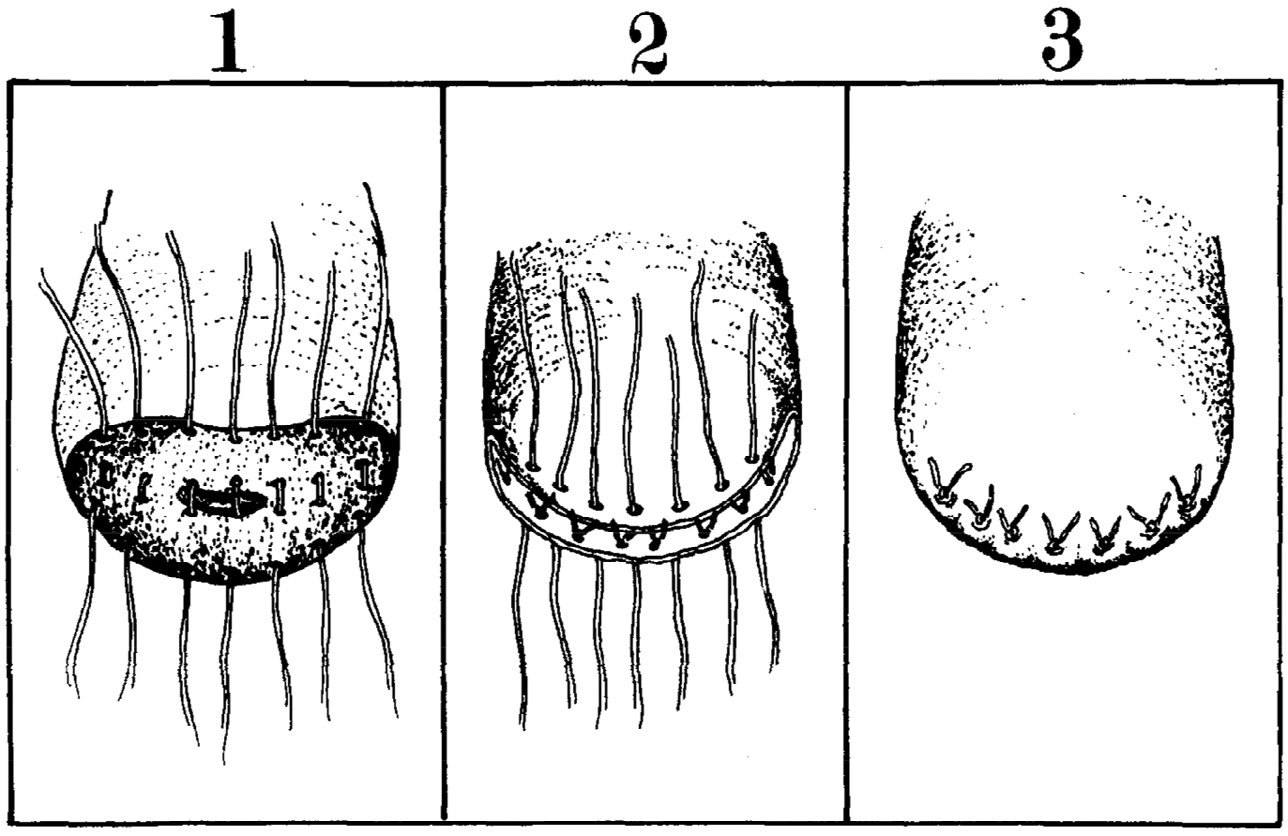
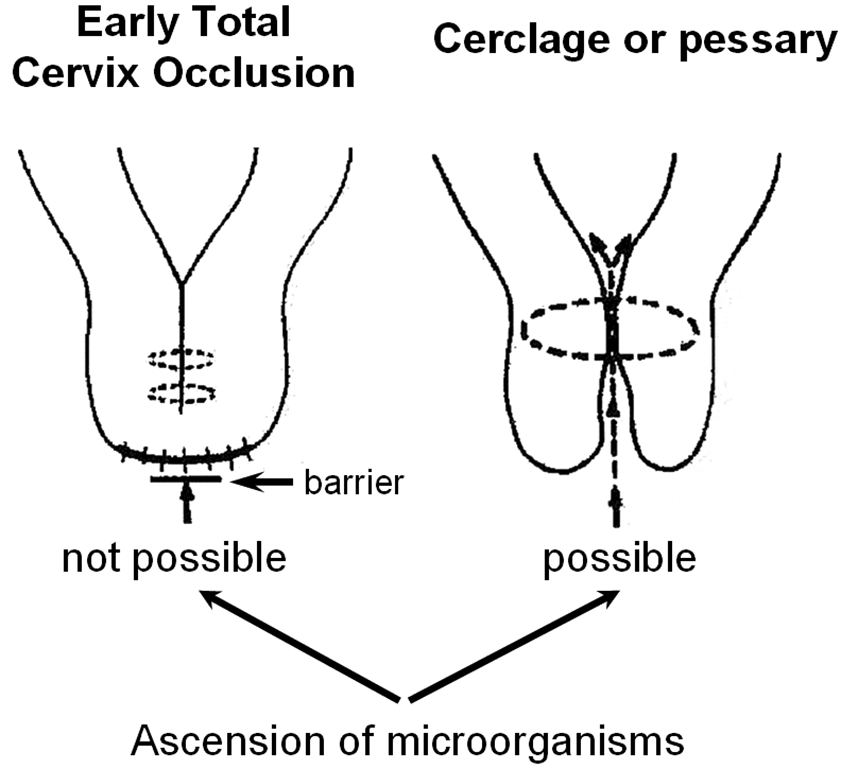
Using the Saling technique to completely close the external cervical os, blocking pathogen ascent and preserving the protective cervical mucus plug, provides salvage intervention for high-risk patients after cervico-isthmic cerclage failure.
II. Research Methods
This single-center retrospective case series study spanned 2009 to 2023.
1. Study Subjects
Strictly included patients with singleton pregnancies and a history of cervico-isthmic cerclage failure. Twin and multiple pregnancies were excluded.
2. Surgical Procedure
All patients underwent Total Cervical Occlusion (TCO) using the Saling technique.
3. Observation Indicators
Primary outcomes were gestational age at delivery and prolongation of pregnancy. Secondary indicators included neonatal survival rate and surgical complications.
4. Surgical Technique (Saling TCO)
• Timing: After first-trimester ultrasound and aneuploidy screening.
• Anesthesia: Primarily neuraxial anesthesia; general anesthesia optional.
• Preoperative: Vaginal swab to rule out infection; prophylactic cephalosporin antibiotics.
• Procedure: Excision of cervical ectocervical epithelium (depth 1–2 mm) using a diathermy loop; interrupted or locked sutures placed at the anterior and posterior cervical edges using 2/0 non-absorbable suture.
• Postoperative: Anti-inflammatory, analgesic, and tocolytic therapy. Monthly transvaginal ultrasound monitoring (cervical length measurement not required). Full sick leave until delivery. All deliveries by cesarean section at 37–38 weeks.
• Delivery: Sutures removed during cesarean section, with assessment of cervical patency.
III. Research Results
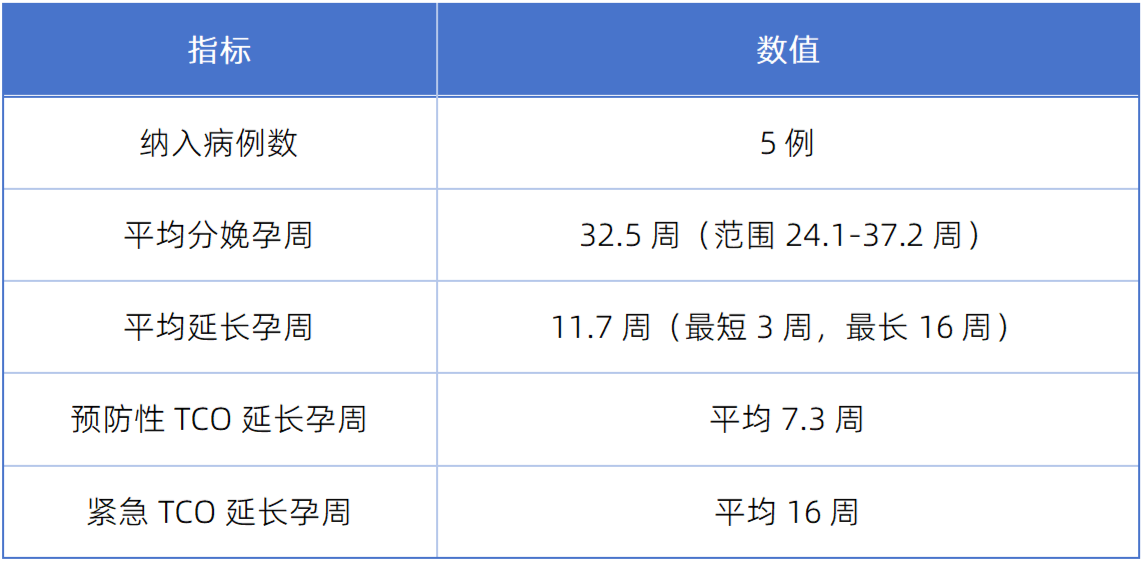
1. Core Metrics
• Number of Patients: 5
• Median Maternal Age: 36 years (range: 31-38)
• Median Gestational Age at TCO: 14 weeks (range: 11.7-21)
• Median Gestational Age at Delivery: 33 weeks (range: 24.1-37.2)
• Median Pregnancy Prolongation: 16.8 weeks (range: 2.7-22.7)
• Neonatal Survival Rate: 60% (3/5)
2. Case Details
• Case 1: 31 years old, elective TCO at 11+5 weeks, cesarean at 24+1 weeks, neonatal death from infection.
• Case 2: 35 years old, urgent TCO at 21 weeks, cesarean at 37.2 weeks, healthy neonatal survival.
• Case 3: 38 years old, urgent TCO at 17 weeks, intrauterine fetal demise at 33 weeks (chorioamnionitis).
• Case 4: 36 years old, elective TCO at 14 weeks, cesarean at 31.4 weeks, healthy neonatal survival.
• Case 5: 37 years old, elective TCO at 12+6 weeks, cesarean at 36+5 weeks, healthy neonatal survival.
3. Complications
• Main Risks: Uterine contractions, infection (chorioamnionitis), preterm premature rupture of membranes (PPROM).
• In this series: All surgeries were successfully completed without major intraoperative complications.
IV. Discussion and Clinical Significance
1. Key Findings
• TCO can effectively prolong pregnancy, providing a reliable salvage option after cervico-isthmic cerclage failure.
• The Saling technique, involving cervical epithelial excision before suturing, provides superior occlusion compared to simple suturing.
• This is the first clinical study focusing on TCO specifically for patients with prior cervico-isthmic cerclage failure.
2. Comparison with Previous Studies
• Simple cervical cerclage + basic suturing: No clear evidence of pregnancy benefit.
• Saling TCO: Significantly increases pregnancy continuation rates and leads to higher neonatal survival.
3. Target Population
• Patients with cervico-isthmic cerclage failure and recurrent late miscarriage/preterm birth.
• Patients with severe cervical insufficiency after procedures like cervical conization or trachelectomy.
Conclusion
Despite the small sample size, the results are clear: Total Cervical Occlusion (TCO) using the Saling technique can safely and effectively prolong gestational age in patients with cervico-isthmic cerclage failure, offering an effective salvage option for this high-risk population. Larger prospective studies are needed to further validate its long-term efficacy and safety.
Source: Couet D, Pourcelot A-G, Szmulevicz C, Capmas P, Fernandez H, Debras É. Total cervical occlusion: A solution after cervico-isthmic cerclage failure. Int J Gynecol Obstet. 2026;00:1-6. doi:10.1002/ijgo.70974
Editor: Lily