





















Combined oral contraceptives (COCs) are compound steroid hormone preparations containing low-dose estrogen and progestin (structurally similar to natural female estrogen and progesterone). Their safety and efficacy have been confirmed by extensive evidence-based medical evidence, and they are recommended by numerous authoritative domestic and international guidelines and consensuses for contraception and the treatment of various gynecological diseases. This updated version builds upon the 2015 consensus, systematically reviewing and updating the research evidence. It elaborates and provides standardized guidance on the scope of application, dosing regimens, efficacy evaluation, and safety of COCs in contraception and disease treatment, offering evidence-based expert recommendations for the long-term safe use of COCs. The aims are to correct common misconceptions in clinical application, provide a scientific basis for the rational use of COCs, promote their safe and standardized use, and further enhance the level of female reproductive health management.
Mechanisms of Action and Formulation Development of COCs
COCs exert contraceptive and therapeutic effects by inhibiting the function of the hypothalamic-pituitary-ovarian (HPO) axis. The estrogen and progestin in COCs synergistically interfere with the mid-cycle luteinizing hormone (LH) surge, suppressing follicular development and ovulation.
➱ The mechanisms of progestin include:
(1) Thickening cervical mucus, impeding sperm penetration;
(2) Affecting tubal motility, interfering with sperm-egg union and embryo transport;
(3) With long-term use, inducing decidualization and atrophy of the endometrium, making it unfavorable for embryo implantation. The estrogen component helps stabilize the endometrium, inducing regular withdrawal bleeding, and improving abnormal uterine bleeding (AUB).
➱ The therapeutic mechanisms of COCs in various diseases include:
(1) Inhibiting endometrial hyperplasia, reducing prostaglandin production, improving menorrhagia and dysmenorrhea;
(2) Inhibiting ovarian androgen secretion; the estrogen component promotes hepatic synthesis of sex hormone-binding globulin (SHBG), lowering free testosterone levels, improving acne, hirsutism, and treating polycystic ovary syndrome (PCOS);
(3) Inhibiting ovarian estrogen secretion, preventing the progression of endometriosis, reducing the activity of endometriotic lesions, thereby controlling pain symptoms and reducing recurrence;
(4) Inhibiting ovulation and endometrial hyperplasia; long-term use can reduce the risk of endometrial and ovarian cancer.
In recent years, the development trend of COCs has been to lower estrogen dose, improve progestin structure, and adjust dosing regimens, thereby further enhancing their safety, tolerability, and efficacy. This is mainly reflected in:
(1) Most current COCs contain ethinylestradiol 20–35 μg. Different doses of ethinylestradiol (≤20 μg vs. >20 μg) show no significant difference in contraceptive efficacy. Lower-dose ethinylestradiol is associated with a relatively lower risk of adverse events like venous thrombosis, but breakthrough bleeding requires attention.
(2) Use of progestins with more natural progesterone-like properties: First-generation progestins (e.g., norethisterone) have stronger androgenic activity and are now rarely used; second-generation progestins (e.g., levonorgestrel) have higher contraceptive efficacy; third-generation progestins (e.g., desogestrel) have stronger ovulation suppression and further reduced androgenic activity; newer progestins (e.g., drospirenone) are closer to natural progesterone and offer anti-androgenic and anti-mineralocorticoid (anti-fluid retention) advantages.
(3) Improved dosing regimens, evolving from the initial 28-day cycle mimicking the natural menstrual cycle to the modern "21+7" regimen (21 days of active pills + 7 days of hormone-free interval, HFI) inducing regular withdrawal bleeding. The recently introduced "24+4" regimen (24 days of active hormones + 4 days HFI) can more stably suppress ovulation and alleviate discomfort from hormone fluctuations by shortening the HFI. Other regimens like "84+7" or continuous use for 365 days are suitable for patients with specific needs for menstrual cycle control (e.g., endometriosis, menorrhagia). Dosing regimens should be individualized based on the patient's health status, menstrual pattern, adherence, and preferences.
Contraceptive Application of COCs
COCs are a highly effective and reversible contraceptive method acting through multiple mechanisms: inhibiting ovulation, altering cervical mucus properties, changing endometrial morphology and function, and affecting tubal motility. When taken strictly as directed, the contraceptive efficacy rate exceeds 99.7%, comparable to tubal sterilization. COCs are suitable for routine contraception in healthy women of reproductive age, but contraindications and high-risk factors must be excluded before use.
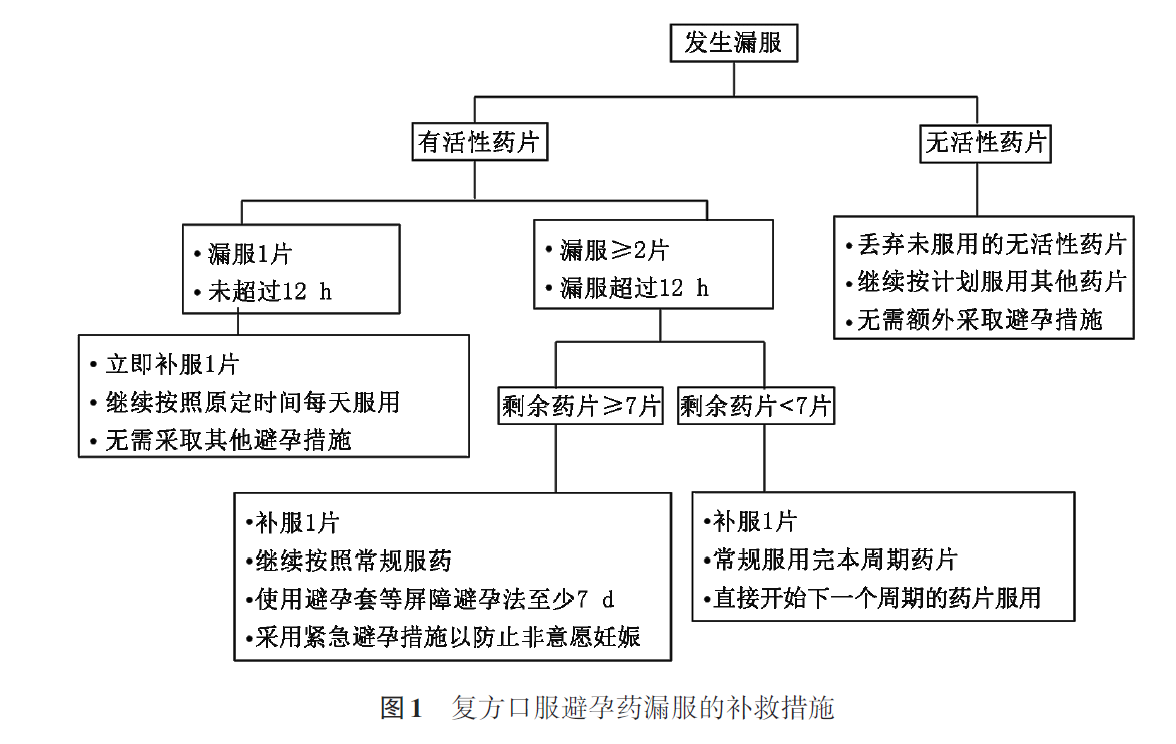
Most COC regimens are initiated on days 1-5 of the menstrual cycle, one pill daily. After continuous use, a break of 4-7 days is taken, during which withdrawal bleeding occurs. Contraceptive failure is mostly related to irregular or missed pills, especially when ≥3 pills are missed in a single cycle, significantly reducing contraceptive efficacy. Therefore, patient adherence management should be strengthened. If a pill is missed during COC use, timely remedial measures should be taken to reduce the risk of contraceptive failure. Specific regimens are shown in Figure 1.
【Expert Recommendations】
(1) COCs are a highly effective and reversible contraceptive method. With correct use, contraceptive efficacy exceeds 99.7% (high-quality evidence).
(2) There is no significant difference in contraceptive efficacy among COCs with different estrogen doses. COCs with lower estrogen doses may have a lower risk of venous thromboembolism (VTE), but the risk of breakthrough bleeding is slightly higher. There is also no significant difference in contraceptive efficacy among COCs with different progestin types. Newer progestin formulations (e.g., drospirenone) offer advantages like anti-androgenic and anti-mineralocorticoid effects (moderate-quality evidence).
Non-Contraceptive Applications of COCs
I. Application of COCs in Abnormal Uterine Bleeding (AUB)
AUB refers to uterine cavity bleeding in non-pregnant individuals, manifesting as abnormalities in one or more of the following: frequency, regularity, duration, or volume of menstrual bleeding. The International Federation of Gynecology and Obstetrics (FIGO) classifies AUB etiologies into two main categories with nine subtypes, abbreviated as "PALM-COEIN". "PALM" indicates structural abnormalities diagnosable by imaging and/or histopathology; "COEIN" indicates non-structural abnormalities.
Currently recommended hemostatic methods include COCs, high-dose synthetic progestin endometrial atrophy therapy, progestin withdrawal therapy, and fractional curettage. COCs can improve symptoms of various AUB types to different extents by modulating the HPO axis and inhibiting endometrial hyperplasia. They are applicable for AUB both with and without structural abnormalities (e.g., uterine fibroids, adenomyosis, endometrial polyps) and for adolescent, reproductive-age, and perimenopausal women. The ethinylestradiol in COCs can rapidly repair the endometrium, and the potent progestin can transform the endometrium to the secretory phase and promote rapid atrophy, achieving quick hemostasis and preventing endometrial hyperplasia. COCs are a first-line medication for adolescent and reproductive-age AUB patients due to their reliable hemostatic effect, rapid onset, and convenience. Compared to natural or near-natural progesterone, COCs provide faster hemostasis and longer maintenance; compared to high-dose progestins, the estrogen in COCs helps reduce breakthrough bleeding. COCs can also reduce menstrual blood loss by 35.0%–69.4% by inhibiting endometrial proliferation and regulating local vasculature.
The recommended COC regimen for AUB is 1 pill per dose. Depending on bleeding volume, it can be administered every 8 hours, every 12 hours, or once daily. Most bleeding stops completely within 1–3 days. If starting with a regimen of every 8–12 hours, it is recommended to maintain the same dose for at least 3 days after bleeding stops before gradually tapering, reducing by 1 pill every 3–7 days to prevent recurrence. Taper to a minimum maintenance dose of 1 pill daily, continuing until hemoglobin levels normalize (≥115 g/L) and the patient expects menses, then discontinue.
After bleeding is controlled, close attention should be paid to the risk of endometrial hyperplasia or even endometrial cancer due to chronic anovulation, and prevention of potential sequelae like chronic iron-deficiency anemia and infertility. It is recommended to continue medication for regular menstrual cycle management for at least 3–6 months (low-estrogen COCs recommended) to maintain regular cycles and reduce recurrence risk. The "24+4" dosing regimen can help improve patient adherence.
1. AUB associated with ovulatory dysfunction (AUB-O): AUB-O includes anovulation, oligo-ovulation, and luteal phase deficiency. COCs are a first-line medication for hemostasis in adolescent and reproductive-age AUB-O patients due to their reliable hemostatic effect. Low-estrogen COCs can also be an option for long-term management of perimenopausal AUB, reducing menstrual flow and regulating cycles, but thrombotic, cardiovascular, and metabolic risks should be comprehensively assessed before use. COC use is not recommended for women over 50.
2. AUB associated with coagulopathy (AUB-C): AUB-C presents as menorrhagia or prolonged menstruation, often indicating underlying coagulation disorders. COCs are recommended for acute heavy vaginal bleeding treatment and long-term menstrual management in AUB-C patients. Long-term use can improve menorrhagia symptoms and reduce recurrence of hemorrhagic ovarian cysts.
3. Iatrogenic AUB (AUB-I): AUB-I is AUB caused by medical interventions, commonly seen with hormonal medications (e.g., COCs, progestins, GnRH-a, LNG-IUS), intrauterine devices, anticoagulants, antipsychotics, etc., primarily manifesting as breakthrough bleeding. For AUB after placement of non-hormonal IUDs or levonorgestrel-releasing intrauterine systems (LNG-IUS), COCs can effectively reduce bleeding by stabilizing the endometrium and lowering fibrinolytic activity. Pregnancy, infection, and organic lesions must be ruled out before formulating a treatment plan. COCs are contraindicated for AUB caused by antiplatelet or anticoagulant drugs.
4. AUB associated with endometrial disorders (AUB-E): The main clinical manifestation of AUB-E is menorrhagia, but intermenstrual bleeding or prolonged menstruation can also occur. COCs are a first-line treatment for AUB-E, using cyclic or continuous oral regimens with individualized cycle adjustments based on patient condition.
5. AUB not yet classified (AUB-N): For AUB caused by arteriovenous malformations, if bleeding is minimal, COC treatment or expectant management can be used; for severe bleeding, vital signs should be stabilized first, and selective uterine artery embolization considered as soon as possible. For cesarean scar defect (CSD) in patients with no fertility desire, COCs are recommended to shorten bleeding duration, but recurrence is common after discontinuation; surgical intervention can be considered if response is poor. Specific usage for AUB due to endometrial polyps (AUB-P), adenomyosis (AUB-A), etc., refer to relevant sections.
【Expert Recommendations】
(1) COCs can reduce menstrual blood loss and regulate menstrual cycles. They are recommended for treating AUB without structural uterine abnormalities (moderate-quality evidence) and AUB due to structural uterine abnormalities like endometrial polyps, adenomyosis, and uterine fibroids (low to moderate-quality evidence).
(2) COCs can serve as first-line medications for hemostasis and menstrual cycle regulation in adolescent and reproductive-age AUB (moderate-quality evidence).
(3) After bleeding control, long-term management with low-dose estrogen COCs for at least 3–6 cycles is recommended (moderate-quality evidence).
II. Application of COCs in Polycystic Ovary Syndrome (PCOS)
PCOS is a common reproductive endocrine and metabolic disorder characterized by oligo-ovulation, clinical and/or biochemical hyperandrogenism, often accompanied by elevated anti-Müllerian hormone levels or polycystic ovarian morphology. Its etiology and pathogenesis are not fully understood. It can have numerous adverse effects on women's health, including depression/anxiety, hirsutism, acne, menstrual disorders, anovulatory infertility, obesity, insulin resistance, type 2 diabetes, severe pregnancy complications, and endometrial disorders. Hyperandrogenism is a core pathological feature of PCOS, closely related to most endocrine and metabolic abnormalities.
The progestin in COCs can inhibit pituitary gonadotropin secretion and follicular development, thereby reducing ovarian androgen production; estrogen can increase SHBG levels, lowering free androgen concentrations. Low-estrogen COCs containing 20–30 μg ethinylestradiol offer advantages in VTE risk and metabolic safety and are recommended as first-line therapy for improving hirsutism, acne, and menstrual abnormalities in PCOS management guidelines of many countries.
(I) Roles of COCs in PCOS Treatment
1. Anti-androgenic effects: COCs reduce active androgen levels through multiple pathways, thereby improving hyperandrogenism-related clinical manifestations like acne and hirsutism. COCs containing different progestins like drospirenone, cyproterone acetate, or desogestrel have similar anti-androgenic effects. COCs with different estrogen doses (20, 30, 35 μg ethinylestradiol) also have comparable efficacy in lowering total testosterone and improving hyperandrogenic signs.
2. Menstrual regulation: COCs can effectively regulate menstrual cycles, reduce menstrual flow, prevent endometrial hyperplasia, and lower the risk of endometrial disorders in PCOS patients. Furthermore, by lowering androgen levels and improving metabolic status, COCs may help some PCOS patients resume ovulation after discontinuation.
3. Metabolic improvement: COCs have certain positive effects on improving insulin resistance and dyslipidemia in PCOS patients. COCs containing drospirenone, due to their anti-mineralocorticoid activity, offer advantages in improving insulin sensitivity and aiding weight management.
(II) Important Clinical Considerations
1. Preconception COC pretreatment in PCOS patients: COCs can help create a favorable pretreatment state for ovulation induction by inhibiting LH levels and regulating menstrual cycles; by lowering androgen levels, they may reduce risks of pregnancy complications like gestational diabetes and hypertensive disorders, and potentially lower incidences of preterm birth, miscarriage, low birth weight, and fetal malformations, correlating with improved pregnancy outcomes. Some studies also suggest the impact of COCs on ovarian response and clinical pregnancy rates remains inconclusive.
2. COC use strategies for PCOS patients of different ages: COCs are first-line therapy for adolescent PCOS and high-risk PCOS patients. Perimenopausal patients without high thrombotic risk factors can use low-estrogen COCs short-term to control menstrual abnormalities or hyperandrogenic manifestations, requiring individualized assessment before use.
3. Duration of COC treatment for different symptoms: A minimum treatment course of 3–6 months is recommended for acne; after complete lesion control, consolidation therapy for 1–2 months is advised. Hirsutism treatment requires 6–12 months or longer; recurrence is possible after discontinuation, necessitating individualized follow-up assessment.
【Expert Recommendations】
(1) Low-dose estrogen COCs are the first-choice treatment for PCOS patients with no immediate pregnancy plans, effectively regulating menstrual cycles and improving symptoms like hirsutism and acne (high-quality evidence).
(2) COCs are first-line drugs for managing menstrual disorders and hyperandrogenic manifestations in adolescent PCOS and high-risk PCOS patients (moderate-quality evidence).
(3) Considering potential pregnancy complications and long-term offspring effects in PCOS patients, anti-androgen therapy before pregnancy is suggested for patients with clinical and/or biochemical hyperandrogenism (moderate-quality evidence).
III. Application of COCs in Endometriosis and Adenomyosis
Endometriosis and adenomyosis are common gynecological diseases, often accompanied by dysmenorrhea, chronic pelvic pain (CPP), dyspareunia, and infertility. COCs are first-line medications for primary dysmenorrhea and endometriosis-related pain and can effectively prevent postoperative recurrence of endometriosis. Their therapeutic effects are summarized as follows:
1. Pain management: COCs can alleviate pain associated with endometriosis and adenomyosis, including dysmenorrhea, CPP, and dyspareunia, by inhibiting ovulation, reducing endometrial hyperplasia to decrease menstrual volume, and inhibiting prostaglandin synthesis, thereby reducing uterine cavity pressure and smooth muscle spasms.
Continuous COC regimens (daily active pills without a break) are superior to traditional cyclic regimens (21+7 or 24+4) in controlling endometriosis-related symptoms. Cyclic COC regimens mimic physiological menstrual patterns, have lower breakthrough bleeding rates, and good patient adherence; continuous regimens avoid menses, reduce hormone withdrawal-related symptoms, and offer better efficacy, but with a relatively higher incidence of breakthrough bleeding.
2. Prevention of postoperative recurrence: Standardized COC use can significantly reduce the risk of postoperative recurrence of endometriosis. Continuous regimens are superior to cyclic regimens in preventing recurrence.
3. Treatment of adenomyosis-related pain and menorrhagia: Adenomyosis can cause severe dysmenorrhea and menorrhagia. COCs can induce atrophy of the endometrium and ectopic endometrial tissue, thereby reducing menstrual flow and alleviating pain. They can be a treatment option for patients with mild to moderate symptoms, with treatment principles referencing those for endometriosis.
4. Comparison of COCs with other progestin preparations: In preventing postoperative pain recurrence in endometriosis, COCs and long-acting progestin preparations (e.g., LNG-IUS, depot medroxyprogesterone acetate injections) have similar clinical efficacy in relieving postoperative pain; patients treated with LNG-IUS have lower reoperation rates. Health economic evaluations show COCs have slightly higher quality-adjusted life years and lower overall treatment costs, offering better cost-effectiveness. Continuous COC regimens and dienogest have comparable efficacy in improving endometriosis-related CPP, with no significant difference in visual analog scale scores or symptom remission rates.
【Expert Recommendations】
(1) COCs are first-line drugs for primary dysmenorrhea and endometriosis-related pain (e.g., dysmenorrhea, CPP, dyspareunia) and can be used to treat adenomyosis-related pain and menorrhagia (high-quality evidence).
(2) Continuous COC regimens are more effective than cyclic regimens in controlling pain symptoms and preventing postoperative recurrence and are recommended for postoperative management of endometriosis (moderate-quality evidence).
IV. Application of COCs in Endometrial Polyps
Endometrial polyps are common benign endometrial lesions that can occur in any age group after adolescence, with a prevalence of 7.8%–34.9% in adult women. Detection rates have increased with widespread use of hysteroscopy. The exact pathogenesis is unclear; chronic persistent estrogen stimulation and local inflammatory responses leading to local endometrial overproliferation may contribute to polyp development.
Medical treatment for endometrial polyps can include COCs, with a course of 3–6 months to promote natural regression. COCs play an important role by inhibiting endometrial proliferation, regulating estrogen-progesterone balance, inducing polyp atrophy, and reducing abnormal uterine bleeding, thereby lowering the risk of polyp occurrence and recurrence. Studies show the polyp regression rate in hormone therapy groups is significantly higher than in non-hormone therapy groups, and recurrence rates are effectively reduced. COCs are more effective than luteal phase progestin therapy for endometrial management, as they suppress the HPO axis, aiding regression of small and multiple polyps, and the daily regimen improves adherence. Postoperative use of COCs after hysteroscopic polypectomy (TCRP) can reduce postoperative bleeding, regulate menstrual cycles, and significantly lower polyp recurrence rates, with efficacy superior to oral progestins. Combined COC therapy for 3–6 months or longer after TCRP is recommended to reduce endometrial polyp recurrence.
【Expert Recommendations】
(1) COCs are a protective factor against endometrial polyps, reducing the risk of their occurrence and recurrence (moderate-quality evidence).
(2) Conservative treatment of endometrial polyps in reproductive-age women can involve COCs for 3–6 months to promote natural polyp regression (moderate-quality evidence).
(3) Combined use of COCs for 3–6 months after hysteroscopic endometrial polypectomy (TCRP) can effectively reduce endometrial polyp recurrence (high-quality evidence).
V. Application of COCs in Uterine Fibroids
Uterine fibroids are among the most common benign gynecological tumors, most frequently seen in women aged 30–50. Their exact pathogenesis is not fully understood; their development is closely related to estrogen and progesterone levels. Main clinical manifestations include increased menstrual flow, prolonged menstruation, abnormal uterine bleeding, and uterine enlargement. COCs are commonly used to improve AUB associated with fibroids by inhibiting gonadotropin (FSH, LH) secretion, regulating menstrual cycles, and reducing menstrual flow. Their specific effects on fibroids are as follows:
1. Effect of COCs on uterine fibroids: COCs do not promote fibroid growth; low-dose COCs also do not significantly increase fibroid volume. COC use is inversely correlated with fibroid risk; long-term use may reduce the incidence of fibroids in reproductive-age women. Currently, there is no conclusive evidence that COCs can shrink existing fibroids; their inhibitory effect on growth is weaker than drugs like GnRH antagonists or progesterone receptor modulators.
2. COC treatment for AUB caused by fibroids: COCs can effectively improve AUB associated with fibroids by stabilizing the endometrium and reducing endometrial hyperplasia, making them suitable for patients with menorrhagia. Clinical data show COCs can reduce menstrual blood loss by 53.5%, lower AUB-related healthcare costs, and improve quality of life; in some cases, they can reduce the need for surgical intervention, thereby lessening long-term economic burden.
3. Perioperative use of COCs for fibroids: COCs can be used for short-term preoperative management of fibroids, reducing menstrual bleeding and correcting anemia to create conditions for elective surgeries like myomectomy. Patients with low thrombotic risk or who can mobilize early postoperatively may continue COCs, but individualized VTE risk assessment and postoperative thromboprophylaxis are needed. For patients undergoing major surgery requiring postoperative immobilization, ACOG and WHO recommend discontinuing COCs 4 weeks preoperatively to reduce VTE risk; if contraception is needed, non-hormonal methods or progestin-only preparations can be used temporarily during the perioperative period.
Additionally, if surgery must be delayed due to healthcare resource allocation or patient factors, short-term COC use to control bleeding, improve anemia, and stabilize symptoms is a reasonable clinical management strategy.
【Expert Recommendations】
(1) For reproductive-age women, COCs do not promote uterine fibroid growth; long-term use may even reduce their incidence risk (moderate to high-quality evidence).
(2) COCs can effectively reduce AUB associated with uterine fibroids, but their effect on shrinking fibroid volume is not significant (moderate-quality evidence).
(3) In the perioperative period for fibroids, short-term COC use to control bleeding and improve anemia can be considered, but thrombotic risk factors must be excluded before use; they are not recommended as a routine choice (low-quality evidence).
VI. Application of COCs in Dermatological Conditions
Several common skin conditions are associated with abnormal androgen levels, such as acne, hirsutism, and hidradenitis suppurativa. Acne pathogenesis involves multiple factors, including overactive sebaceous glands, dysbiosis of the pilosebaceous unit microbiome, and influences from genetics and diet. Sebum secretion is primarily regulated by androgens; elevated levels or increased receptor sensitivity can lead to excessive sebum production, a key factor in acne development.
COCs can alleviate and treat acne by inhibiting ovarian and adrenal androgen secretion, increasing SHBG levels, and through the anti-androgenic effects of certain progestins (e.g., drospirenone, cyproterone acetate). COC use can reduce the number and severity of facial acne lesions, improve skin condition and patient self-perception, and enhance treatment adherence. As they offer both contraception and treatment for androgen-related skin conditions like acne, they are a first-line choice for patients with contraceptive needs. Initial improvement in acne typically requires 3–6 months of continuous use; patient education should be enhanced before starting to improve long-term adherence. COCs can be used to treat acne in women regardless of hyperandrogenemia status. In China, the 20 μg ethinylestradiol/drospirenone COC is the only formulation approved by the NMPA for the treatment of acne.
For women with mild to moderate hirsutism, COCs are recommended as first-line therapy, working by inhibiting ovarian androgen secretion and increasing SHBG levels. Due to the long hair growth cycle, continuous use is needed for efficacy to become apparent. Additionally, COCs may have a role in improving other androgen-related dermatoses like androgenetic alopecia and hidradenitis suppurativa, with a low incidence of adverse effects.
【Expert Recommendations】
(1) COCs can effectively reduce the number and severity of acne lesions and are suitable for managing moderate to severe acne (high-quality evidence).
(2) For reproductive-age women with acne who desire contraception and have no contraindications, COCs are suggested as first-line therapy (moderate-quality evidence).
(3) For women with mild to moderate hirsutism, COCs are recommended as first-line therapy (moderate-quality evidence).
VII. Application of COCs in Premenstrual Disorders
Premenstrual syndrome (PMS) and premenstrual dysphoric disorder (PMDD) are highly prevalent among reproductive-age women and can severely impact quality of life. Common symptoms include mood swings, irritability, depression, anxiety, breast tenderness, bloating, and sleep disturbances. Mild cases can be managed with lifestyle adjustments, dietary interventions, and cognitive behavioral therapy. For moderate to severe symptoms or when non-pharmacological treatments are ineffective, medication can be used, mainly including:
(1) Agents that inhibit the HPO axis to reduce hormonal fluctuations, such as COCs, GnRH analogs, estradiol;
(2) Agents targeting neurotransmitters in brain synapses, such as selective serotonin reuptake inhibitors.
COCs can improve premenstrual mood-related symptoms by inhibiting ovulation and reducing hormonal fluctuations. Continuous regimens (e.g., 84 active pills followed by 7 placebo pills) can further alleviate symptoms, reduce mood swings and somatic pain, with efficacy superior to traditional cyclic regimens. COCs with anti-mineralocorticoid and anti-androgenic activity show more significant improvement in PMS/PMDD symptoms. Studies on the 3 mg drospirenone/20 μg ethinylestradiol formulation show the 24+4 regimen (24 active pills + 4 placebo pills) more effectively improves PMDD symptoms. In 2006, the FDA approved this 24+4 regimen for women with PMDD who also require contraception.
【Expert Recommendations】
(1) COCs can effectively improve symptoms of premenstrual dysphoric disorder (PMDD), with continuous regimens being more effective (moderate-quality evidence).
(2) COCs can effectively improve symptoms of premenstrual syndrome (PMS), especially mood swings and pain, with continuous regimens being more effective (moderate-quality evidence).
VIII. Application of COCs in Chronic Pelvic Pain (CPP)
CPP is defined as pain perceived to originate from pelvic organs or structures, typically lasting more than 6 months. It often leads to cognitive, behavioral, sexual, and emotional dysfunction. Common causes include chronic pelvic inflammatory disease, endometriosis, and adenomyosis.
COCs can treat dysmenorrhea by inhibiting ovulation, suppressing endometrial proliferation, and modulating hormone and prostaglandin levels. They can significantly reduce pain scores in endometriosis-related CPP, but evidence for other types of CPP (e.g., interstitial cystitis, myofascial pain) is insufficient.
For pain caused by conditions like endometriosis and adenomyosis, COCs, progestins, and GnRH agonists are recommended. Among these, COCs are recommended as first-line treatment for CPP due to their affordability and good long-term safety profile. If pain occurs during the hormone-free interval, switching to a continuous regimen is recommended, typically for 6–12 months.
COCs also help reduce the risk of developing CPP by lowering the incidence of unintended pregnancy and induced abortion, thereby reducing post-abortion infections and intrauterine adhesions, and preventing pelvic inflammatory disease (PID) and ectopic pregnancy, which are risk factors for CPP.
【Expert Recommendations】
(1) For chronic pelvic pain (CPP) caused by endometriosis or adenomyosis, COCs are recommended as first-line drugs (moderate-quality evidence).
(2) COCs help reduce the incidence of risk factors leading to CPP, thereby lowering the risk of CPP development (moderate-quality evidence).
IX. Application of COCs in Pelvic Inflammatory Disease (PID)
Among PID pathogens, sexually transmitted infections like Neisseria gonorrhoeae and Chlamydia trachomatis are primary causative agents. Untreated, it can lead to serious complications like tubal factor infertility, ectopic pregnancy, and CPP. COCs can reduce the occurrence and progression of PID through multiple mechanisms:
(1) The progestin component increases cervical mucus viscosity, making it less favorable for bacterial growth; formation of a cervical mucus plug can inhibit ascending infection, reducing PID risk.
(2) Reducing menstrual flow and AUB incidence may lower the risk of retrograde menstruation, indirectly potentially reducing PID risk.
(3) Reducing unintended pregnancies lowers the frequency of intrauterine procedures associated with pregnancy termination, further reducing infection risk.
【Expert Recommendations】
COCs can reduce the risk of pelvic inflammatory disease (PID) through multiple mechanisms, including increasing cervical mucus viscosity, reducing menstrual flow and AUB incidence, and decreasing the frequency of intrauterine procedures (moderate-quality evidence).
Long-term Safety of COCs
I. COCs and Fertility
COCs have no adverse effect on fertility. Ovulation resumes in the first menstrual cycle after discontinuation, restoring fertility. Furthermore, COCs are not teratogenic and do not affect fetal chromosomes. Accidental pregnancy during COC use or early pregnancy exposure does not increase the risk of fetal congenital malformations.
➱ COCs have fertility-protective effects:
(1) Highly effective contraception reduces unintended pregnancies (intrauterine or ectopic), lowering the impact of abortion and its complications on fertility.
(2) Regulating menstrual cycles reduces gynecological issues due to ovulatory dysfunction or menstrual disorders, improving reproductive health.
(3) Long-term use reduces ascending infections, lowering the risk of PID and subsequent infertility.
(4) Long-term use can inhibit the progression of endometriosis, reducing the risk of secondary infertility.
(5) By inhibiting ovulation and reducing gonadotropin stimulation of the ovaries, they may, to some extent, delay the decline of ovarian reserve.
II. COCs and Cardiovascular Disease
1. COC use and VTE: VTE occurrence is associated with multiple risk factors, including advanced age, obesity, pregnancy/postpartum, coagulation factor gene mutations, personal/family history of VTE, estrogen/progestin use, immobility, surgery/trauma, long flights, etc. Reducing ethinylestradiol content to 20–30 μg lowers VTE risk. VTE is a rare adverse event with low-dose COCs, with risk significantly lower than during pregnancy/postpartum. The baseline incidence of VTE in healthy women is ~2/10,000; during COC use, it is 5–12/10,000, far lower than the ~29/10,000 during pregnancy/puerperium. Longer duration of COC use is associated with lower VTE risk. If use is interrupted for >4 weeks, the risk increases again upon re-initiation.
2. COC use and arterial thromboembolism (ATE): ATE includes stroke and myocardial infarction, associated with risk factors like advanced age, smoking, hypertension, obesity, diabetes, dyslipidemia, etc. The overall incidence of all types of ATE events in COC users is very low (1–3/10,000).
In summary, cardiovascular disease is multifactorial. Identifying risk factors (e.g., age, personal/family history, obesity) is key to reducing VTE and ATE risk in COC users. For women without contraindications, COCs are safe and effective drugs, with an extremely low absolute risk of causing cardiovascular disease. Clinicians should exclude contraindications, perform individualized assessment for women with high-risk factors to maximize benefit and minimize risk, and avoid restricting appropriate clinical use of COCs due to fear of the very low thrombotic risk.
III. COCs and Malignancy
COC use provides multiple cancer prevention benefits, reducing overall cancer risk by approximately 3%.
1. COCs and endometrial cancer: COCs have a clear protective effect against endometrial cancer. Longer duration of use is associated with greater risk reduction. Cumulative incidence risk in COC users is 32% lower than in never-users; use for >20 years reduces risk by about 64%. This protective effect persists for over 30 years after discontinuation.
2. COCs and ovarian cancer: COCs reduce the risk of ovarian cancer. Earlier age at first use and longer duration are associated with lower risk. Use for <2 years shows a trend towards risk reduction; use for ≥5 years reduces risk by about 50%, and this effect persists for nearly 30 years after stopping.
3. COCs and cervical cancer: Some studies suggest long-term COC use may be weakly associated with a slightly increased risk of cervical cancer, but this association becomes non-significant after adjusting for HPV infection. The mechanism may be related to reduced use of barrier contraception; COC users are less likely to use condoms, reducing barrier protection against HPV transmission. Annual cervical cancer screening is recommended for COC users, especially those with continuous use >5 years.
4. COCs and breast cancer: Most studies show no change or only a slight increase in breast cancer risk among COC users, mainly seen in current or recent users. Risk gradually returns to baseline within 10 years of discontinuation. COC use during the menopausal transition does not additionally increase breast cancer risk. According to WHO Medical Eligibility Criteria for Contraceptive Use, COCs remain a reasonable choice for women with a family history of breast cancer.
5. COCs and colorectal cancer: COC use is associated with a reduced risk of colorectal cancer, showing a protective effect.
IV. Long-term COC Use and All-cause Mortality
Long-term COC use does not increase all-cause mortality in women; some studies suggest a slight protective effect. Compared to never-users, all-cause mortality is slightly lower in COC users.
V. Effects of COCs on Metabolism and Weight
In healthy women, COC use has no significant adverse effects on carbohydrate and lipid metabolism. For PCOS patients, COCs help improve metabolic parameters, such as lowering LDL-C and raising HDL-C levels. Current evidence shows most COCs have minimal impact on weight; some studies suggest COCs containing drospirenone may be associated with slight weight reduction.
VI. Effects of COCs on Mental Health
COCs generally have minimal impact on mood and mental health, with substantial individual variation. No significant adverse association has been found between COC use and quality of life or mental health in adolescents.
VII. COC Use in Adolescent Females
Most adolescent females have completed their rapid growth phase and reached >95% of their expected adult height at menarche. COC use at this time has no significant adverse effects on bone mineral density, bone metabolism markers, or final height. Current evidence also shows no effect on breast development. Unwarranted concerns should not limit their appropriate use. Furthermore, COCs have no adverse effect on future fertility. Their suppressive effect on the HPO axis is reversible, returning to pre-treatment status after discontinuation. After >3 months of COC treatment for anovulatory AUB-O, the HPO axis may resume ovulation upon discontinuation. Multiple national guidelines and WHO Medical Eligibility Criteria consistently state that adolescents post-menarche can safely use COCs if no contraindications exist, classified as Category 1 (no restriction). Patients and their families should be fully informed to improve adherence and safety.
VIII. Management of Common COC Adverse Reactions
COCs are generally well-tolerated; adverse reactions are mostly manageable and tend to diminish over time. Clinicians should encourage patients to use them as directed under medical supervision and avoid self-discontinuation. Common adverse reactions include:
(1) Pregnancy-like symptoms: A minority of women may experience mild nausea, loss of appetite, dizziness, fatigue, drowsiness, vomiting in the first 1–2 cycles, which often resolve spontaneously with continued use.
(2) Breakthrough bleeding: Irregular bleeding is more common in the first 1–3 cycles, often presenting as spotting or irregular uterine bleeding. It is a short-term adaptive response, possibly related to hormonal fluctuations, missed pills, irregular timing, or individual sensitivity. Most cases do not require discontinuation; symptoms usually resolve within 3 cycles with continued regular use. If bleeding persists or is heavy, prompt evaluation is needed.
(3) Reduced menstrual flow or amenorrhea: COCs inhibit endometrial proliferation, leading to reduced flow or even amenorrhea. Simple reduced flow usually requires no intervention, does not affect health, and resolves after discontinuation. For amenorrhea, pregnancy should first be ruled out. If the user cannot tolerate reduced flow or amenorrhea, discontinuation or switching to other contraceptive methods can be considered based on the situation.
(4) Breast tenderness: Usually requires no treatment; symptoms often disappear with continued use.
(5) Weight gain: A minority may experience fluid retention, generally not affecting health. If weight gain is significant, temporary discontinuation can be considered. After 3–6 months, the body establishes a new fluid balance, weight stabilizes, and with the gradual anti-androgenic effect, weight may even decrease.
(6) Chloasma: A minority may develop chloasma, worsened by sun exposure. It does not affect health and usually fades after discontinuation.
(7) Very rarely, depression, dizziness, fatigue, decreased libido, rash, pruritus may occur, resolving after discontinuation.
IX. Contraindications and Precautions for COC Use
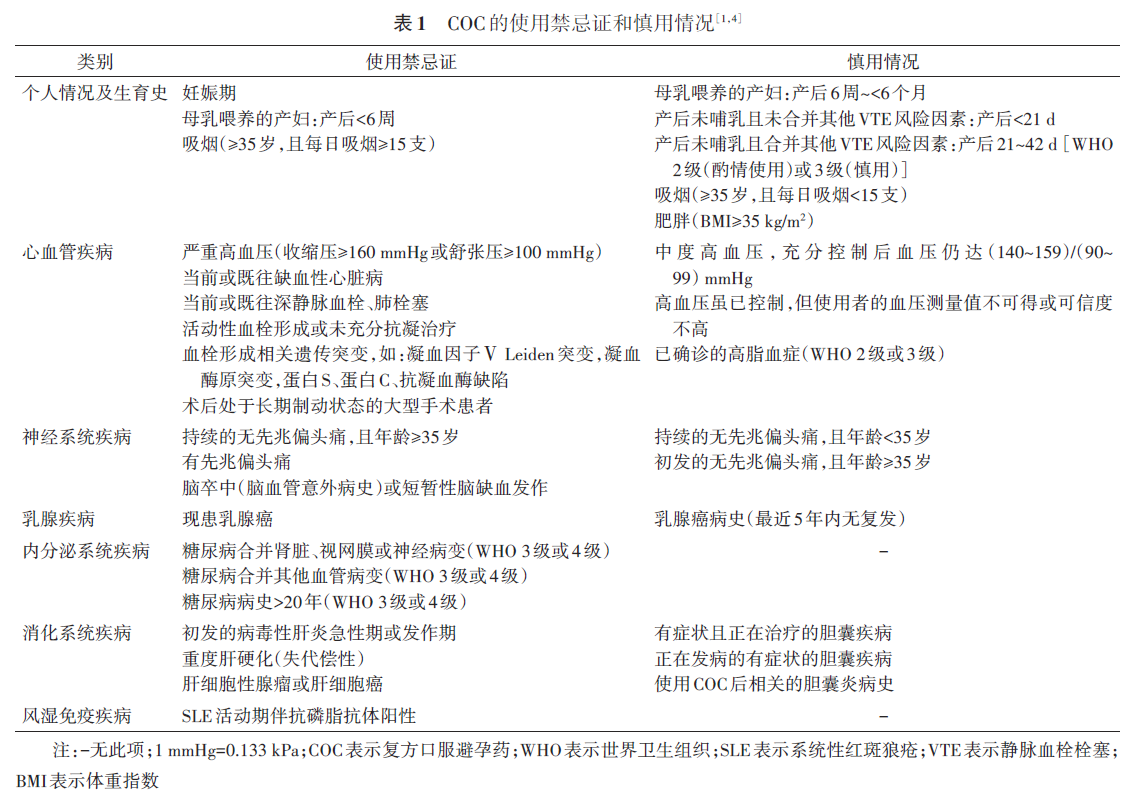
COCs are safe and suitable for the vast majority of healthy women. Age itself is not an absolute contraindication. Healthy women from menarche to menopause without contraindications can use them; healthy non-smoking women ≥40 years can usually use them safely; for women ≥50 years, continued COC use is generally not recommended, suggesting switching to progestin-only methods or LNG-IUS until menopause. Specific contraindications and precautions are detailed in Table 1.
X. Drug Interactions with COCs
The following hepatic enzyme inducers can reduce COC efficacy:
(1) Antiretroviral drugs: Protease inhibitors like ritonavir;
(2) Anticonvulsants: Phenytoin, carbamazepine, barbiturates, primidone, topiramate, oxcarbazepine;
(3) Antimicrobials: Rifampicin, rifabutin.
【Expert Recommendations】
(1) COCs do not affect fertility and have a protective effect; ovulation resumes promptly after discontinuation (moderate-quality evidence).
(2) Cardiovascular disease is a rare adverse event with low-estrogen COCs, with risk significantly lower than during pregnancy and postpartum. Identifying risk factors is key to reducing thrombotic risk in COC users (high-quality evidence).
(3) COCs can reduce the risk of various malignancies, such as endometrial, ovarian, and colorectal cancers (moderate-quality evidence).
(4) Adolescent females post-menarche can safely use COCs without affecting bone mineral density, final height, breast development, or fertility; their use should be recommended based on physician-patient communication (high-quality evidence).
Conclusion
In summary, COCs are safe and effective contraceptive methods and are also used to treat various gynecological diseases, with ample evidence accumulated from long-term clinical practice. With reduced hormone doses, optimized formulations, and increasingly individualized regimens, the safety, tolerability, and scope of application of COCs have further improved, offering multiple clinical benefits. Clinical application requires strict screening for high-risk factors and individualized management to minimize adverse reaction risks and improve patient acceptance and adherence. In practice, considering patients' contraceptive needs, COCs should be initiated early for conditions where they are recommended as first-line treatment. Health education should be strengthened to fully realize their value in clinical practice and public health.
Graphic Source: Expert Group on Clinical Application of Combined Oral Contraceptives. Expert consensus on clinical application of combined oral contraceptives (2025) [J]. Chinese Journal of Obstetrics and Gynecology, 2026, 61(1): 3-15.
Editor: Lily