





















Female reproductive tract infections are common, high-incidence gynecological health issues in clinical practice, such as vaginitis, cervicitis, and pelvic inflammatory disease (PID). Their recurrent nature and protracted course often cause significant distress. Misusing or incorrectly choosing medications not only fails to cure the condition but may also disrupt the vaginal microecological balance, induce bacterial resistance, and even affect future fertility. To effectively address this problem, establishing scientific knowledge alongside precise diagnosis and adherence to standardized medication protocols is key to overcoming the trouble and restoring health. This article systematically outlines the diagnostic points, stratified medication plans, and core medication pitfalls for common female reproductive tract infections, helping everyone approach infections scientifically, safely, and effectively.
Reproductive tract infections are not a single disease; a clear diagnosis is the prerequisite for precise medication.
Depending on the infection site and causative pathogen, drug choices vary greatly. One must never use "one drug for all itches and pains."
1. Lower Reproductive Tract Infections
Primarily refer to the most common outpatient conditions: vaginitis and cervicitis.
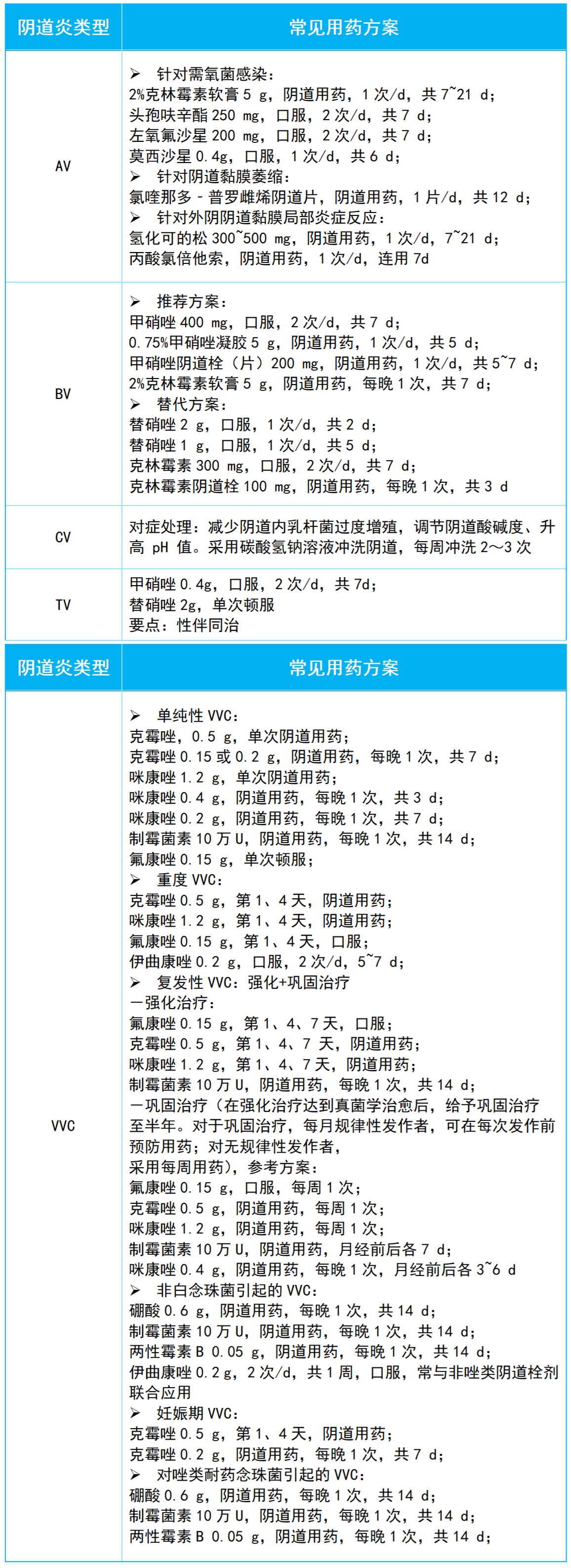
(1) Vaginities: Common clinical types can be summarized as "ABCTV": Aerobic Vaginitis (AV), Bacterial Vaginosis (BV), Cytolytic Vaginosis (CV), Trichomonal Vaginitis (TV), and Vulvovaginal Candidiasis (VVC). Mixed infections are also common. Detection via the vaginal microecological evaluation system is recommended, primarily using morphological testing supplemented by functional testing to clarify the specific type of microecological imbalance.
(2) Cervicitis: Diagnosis is usually based on two characteristic clinical signs and microscopic examination showing increased white blood cells in cervical or vaginal discharge, allowing for a preliminary diagnosis of acute cervicitis. After diagnosing cervicitis, further testing for sexually transmitted disease pathogens and vaginal inflammation is required.
2. Upper Reproductive Tract Infections
Mainly include Pelvic Inflammatory Disease (PID), such as endometritis, salpingitis, tubo-ovarian abscess, and pelvic peritonitis.
(1) PID Diagnosis: Primarily relies on the clinician's fundamental gynecological examination skills, specifically the "Minimum Diagnostic Criteria" (cervical motion tenderness, uterine tenderness, or adnexal tenderness), combined with "Additional Criteria" (temperature, discharge examination, changes in blood counts) and "Specific Criteria" (imaging findings, endometrial biopsy, laparoscopic findings) to increase diagnostic accuracy for PID.
(2) Pelvic Abscess: Often occurs in the terminal stage of PID and is a critical emergency. Its diagnosis should be established by meeting PID diagnostic criteria while combining medical history, clinical presentation, imaging studies, laboratory tests, or intraoperative exploration. Clinicians must be alert to the occurrence of sepsis and septic shock, promptly identify severely ill patients, and implement stratified management for mild and severe cases.
Medication Essentials for Common Reproductive Tract Infections
1. Vaginities
Primarily use targeted antimicrobial therapy based on the specific type, supplemented by microecological modulators, traditional Chinese patent medicines, etc. Common administration regimens are as follows:
2. Cervicitis
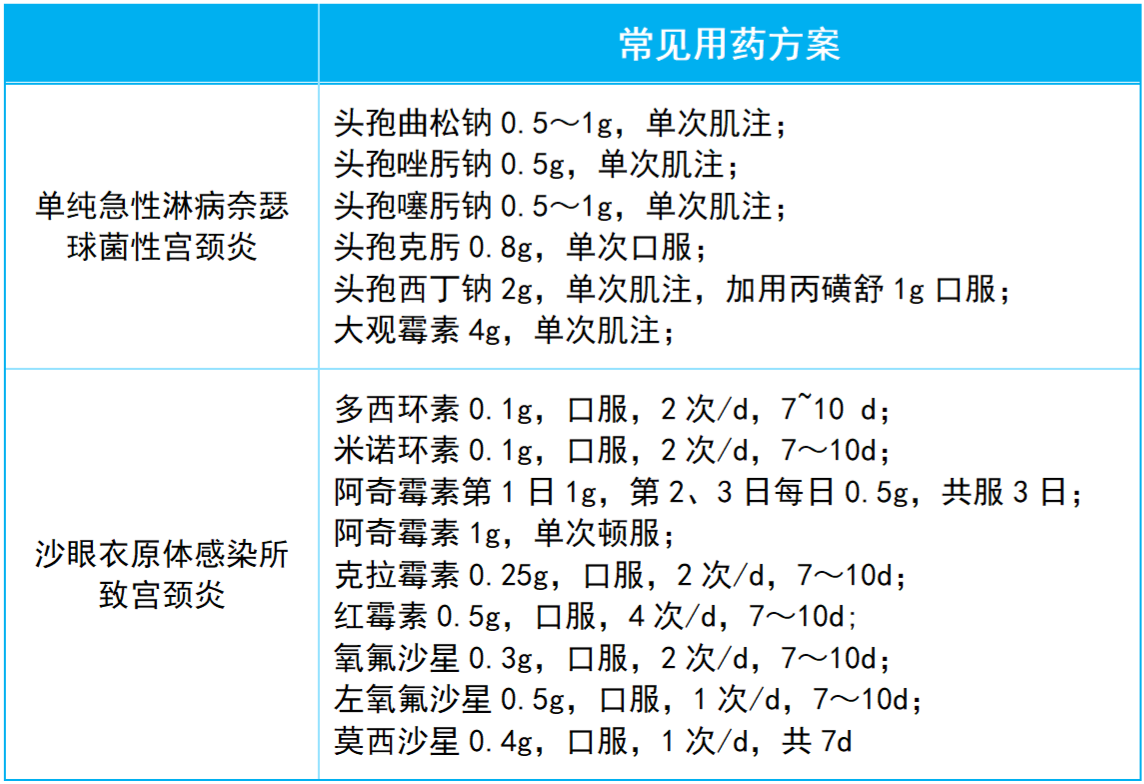
Employ empirical antimicrobial therapy or pathogen-targeted antimicrobial therapy. For individuals with high-risk factors for sexually transmitted diseases, empirical antimicrobial therapy should be initiated before obtaining pathogen test results. To cover Chlamydia trachomatis infection, the regimen is: Doxycycline 0.1g, orally, twice daily for 7 days; or Azithromycin 1g as a single dose. If Neisseria gonorrhoeae infection is highly suspected, add a drug covering N. gonorrhoeae. For those with identified pathogens, choose antimicrobials targeting the specific pathogen:
3. Pelvic Inflammatory Disease (PID)
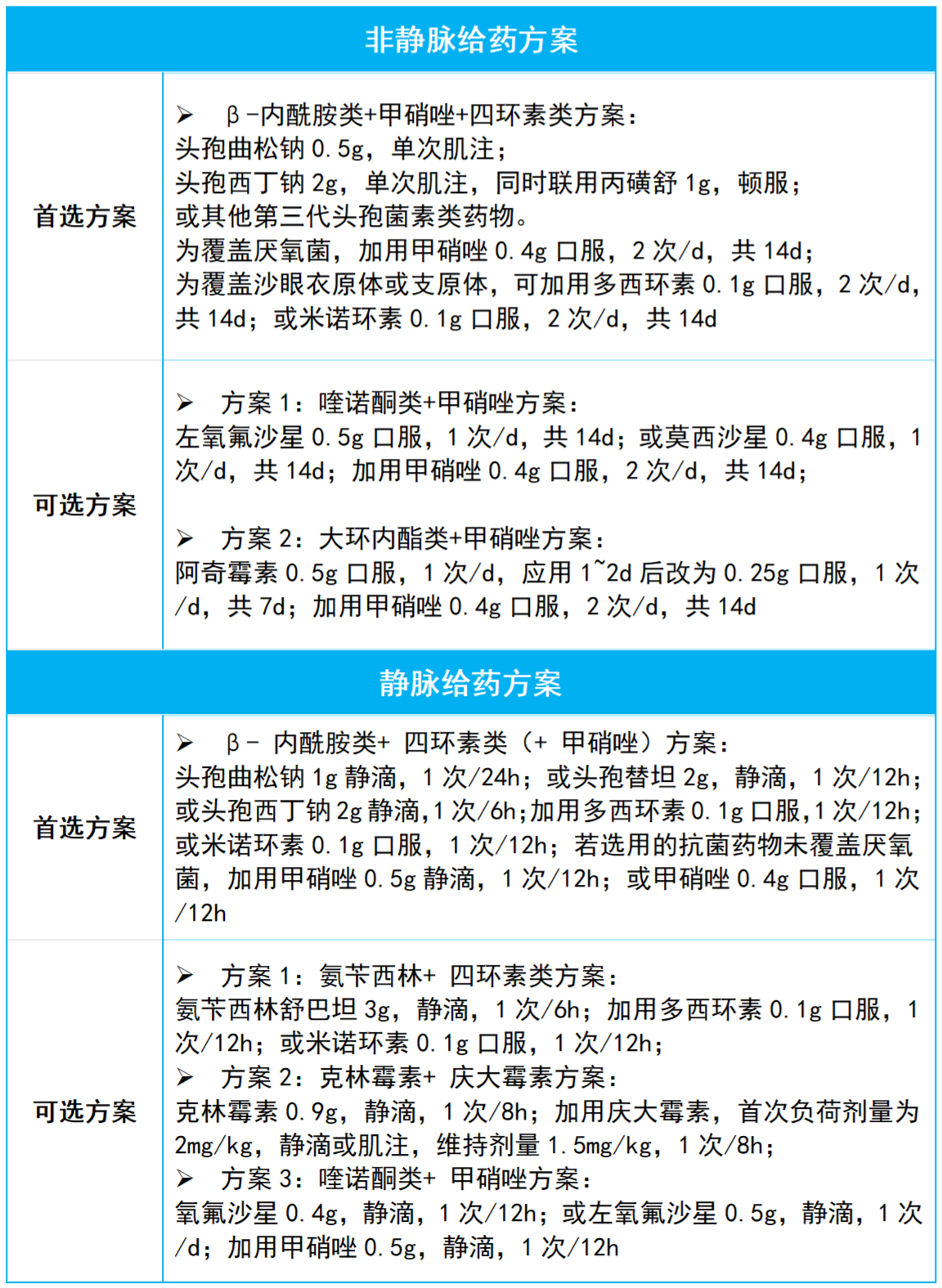
Individualized medication. If the patient is in good general condition with mild symptoms, can tolerate oral antimicrobials, and has follow-up conditions, non-intravenous antimicrobial regimens can be administered in an outpatient setting. If the patient is severely ill, in poor general condition, etc., hospitalization is warranted for comprehensive treatment centered on intravenous antimicrobial therapy. The initial route of administration should primarily be intravenous infusion. After clinical symptoms improve, continue intravenous administration for at least 24 hours before switching to oral therapy, for a total of at least 14 days.
4. Focus on Specific Pathogen Infections: Female Genital Mycoplasma Infections
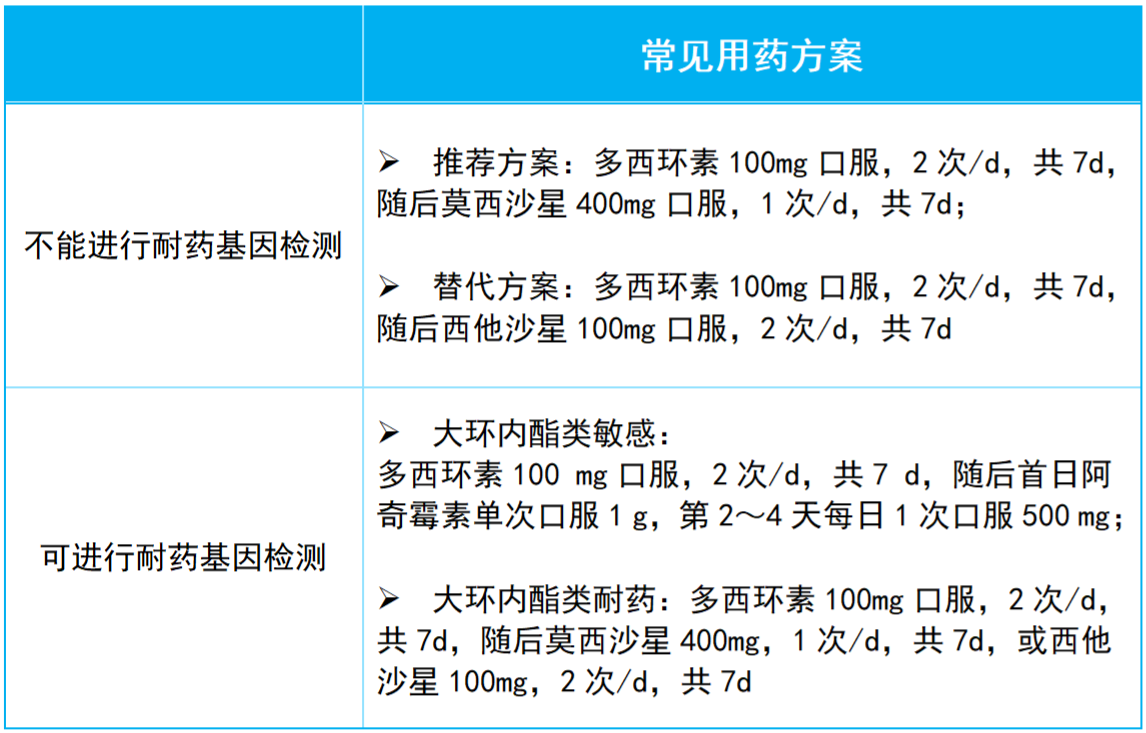
Mycoplasma can cause diseases like urethritis, cervicitis, and PID, but it also has a high colonization rate in the normal population. Common genital mycoplasma infections include Ureaplasma urealyticum (Uu), Ureaplasma parvum (Up), Mycoplasma hominis (Mh), and Mycoplasma genitalium (Mg). Asymptomatic carriage of Mh, Up, and Uu is very common and is associated with vaginal flora disturbance and related infections; treatment is only undertaken when necessary based on assessment. Mg is easily co-infected with other sexually transmitted pathogens and is also an important pathogen for cervicitis and PID. It is recommended to conduct drug resistance gene testing for targeted medication. Specific drug regimens are as follows:
Beware of Medication Missteps: Avoid These Pitfalls
✿ Misstep 1: Stopping medication as soon as symptoms improve: Pathogens are not completely eradicated, leading to easy recurrence and development of resistance. Complete the full course and dosage.
✿ Misstep 2: Self-diagnosis and arbitrary medication: Blind use of antimicrobials disrupts normal vaginal flora, potentially worsening or causing recurrent infections.
✿ Misstep 3: Frequent internal vaginal douching: Frequent douching destroys vaginal Lactobacillus, leading to flora imbalance. Daily cleaning with warm water on the external genitalia is sufficient; douches should only be used under a doctor's guidance.
✿ Misstep 4: Neglecting partner treatment: Pathogens like Trichomonas vaginalis, Chlamydia trachomatis, Neisseria gonorrhoeae, Mycoplasma genitalium, etc., are sexually transmissible. Treating only one partner can easily lead to cross-infection. Sexual partners should simultaneously undergo testing and treatment, and unprotected sex should be avoided until cured.
Summary
With the continuous advancement of randomized controlled clinical trials, ongoing progress in diagnostic technology, and evolving pathogen infection profiles, the diagnosis and treatment plans for reproductive tract infections will also be continuously improved under the support of higher-level evidence-based medical evidence, alongside updates to guidelines and expert consensus. Clinicians should promptly update their knowledge base and master core diagnostic and treatment principles along with standardized medication regimens.
For women, reproductive tract infections are preventable, treatable, and not frightening. The real harm to health comes from blind medication and delayed treatment. Once symptoms like abnormal vaginal discharge, vulvar itching, unusual odor, or lower abdominal discomfort appear, be sure to seek timely medical attention at a qualified hospital. This allows for comprehensive examinations like vaginal microecology and secretion tests, followed by strict adherence to medical advice for precise, full-course treatment. This is the fundamental, effective, and safe way to safeguard one's own health.
Scientific understanding, standardized medication. May every woman stay free from the distress of recurrent infections and embrace a healthy life.
References:
[1] 中华医学会妇产科学分会感染性疾病协作组,中国性学会性医学专业委员会生殖道感染学组. 生殖道支原体感染诊治中国专家共识(2025年版)[J]. 中国实用妇科与产科杂志,2025,41(05):541-547.
[2] 中华医学会妇产科学分会感染性疾病协作组. 外阴阴道假丝酵母菌病中国诊治指南(2024版)[J]. 中华妇产科杂志,2024,59(07):499-504.
[3] 中国医学科学院皮肤病医院,中国疾病预防控制中心性病控制中心,中华医学会皮肤性病学分会性病学组,等. 中国生殖支原体感染诊疗专家共识(2024)[J]. 中华皮肤科杂志,2024,57(03):201-208.
[4] 中华医学会妇产科学分会感染性疾病协作组. 盆腔脓肿诊治中国专家共识(2023年版)[J]. 中国实用妇科与产科杂志,2023,39(12):1210-1216.
[5] 高月倩,王辰,李会阳,等. 细胞溶解性阴道病的研究进展[J]. 中华妇产科杂志,2022,57(5):5.
[6] 中华医学会妇产科学分会感染性疾病协作组. 混合性阴道炎诊治专家共识(2021版)[J]. 中华妇产科杂志,2021,56(1):4.
[7] 中华医学会妇产科学分会感染性疾病协作组. 细菌性阴道病诊治指南(2021修订版)[J]. 中华妇产科杂志,2021,56(1):4.
[8] 中华医学会妇产科学分会感染性疾病协作组. 需氧菌性阴道炎诊治专家共识(2021版)[J]. 中华妇产科杂志,2021,56(1):4.
[9] 中华医学会妇产科学分会感染性疾病协作组. 阴道毛滴虫病诊治指南(2021修订版)[J]. 中华妇产科杂志,2021,56(1):4.
[10] 中华医学会妇产科学分会感染性疾病协作组. 盆腔炎症性疾病诊治规范(2019修订版)[J]. 中华妇产科杂志,2019,54(7):433-437.
[11] 孔北华,马丁,段涛. 妇产科学. 第10版. 北京:人民卫生出版社,2024.
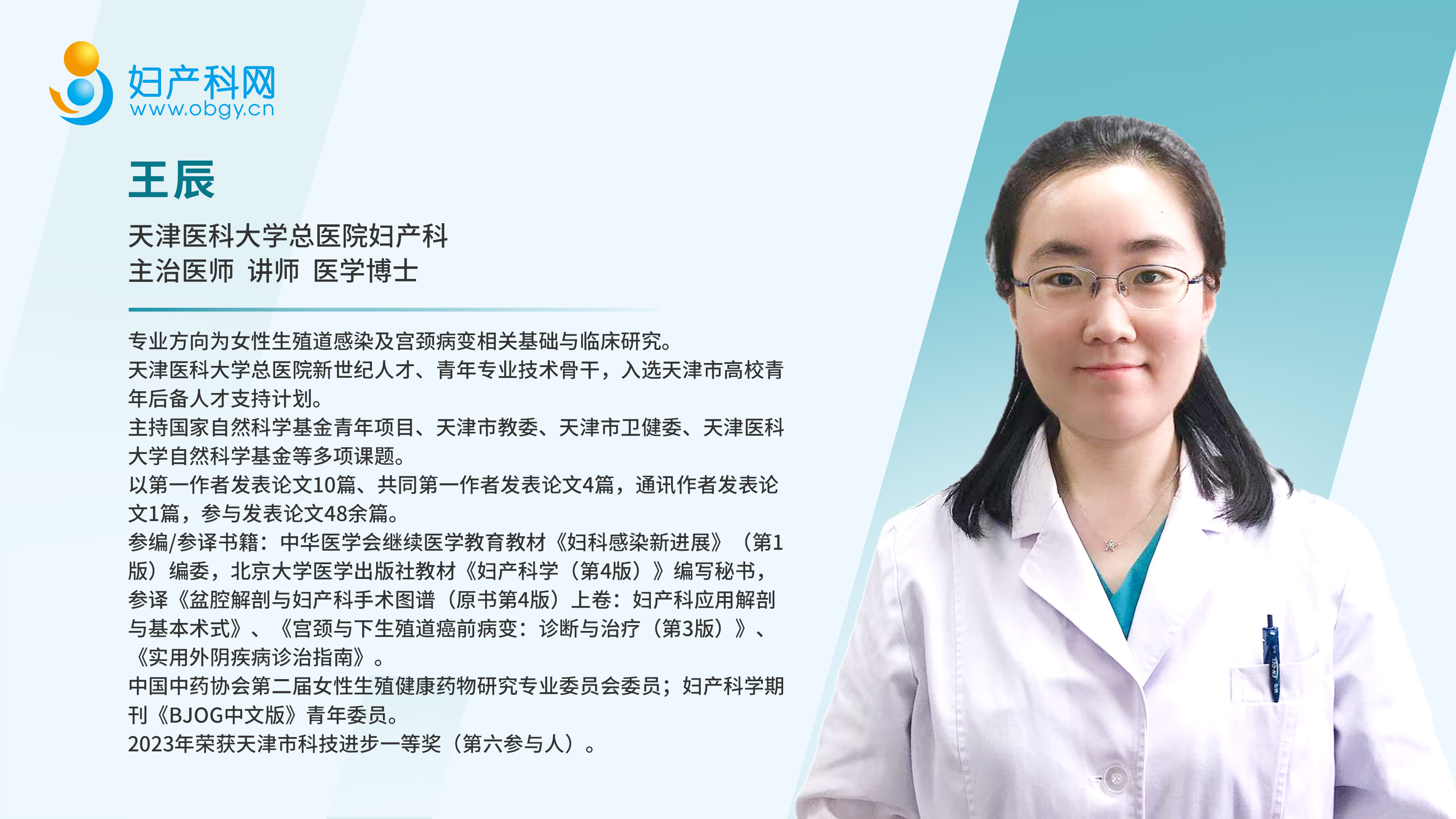
Author Introduction
Source of Tables: Dr. Wang Chen
"This article provides medical and healthcare professionals with medication knowledge and clinical references. It does not constitute medication guidance, treatment advice, or official guidelines. Non-medical/healthcare professionals should not refer to or disseminate the content of this article. This platform bears no responsibility for any consequences resulting from the use of this content by non-professionals."
Responsible Editor: Lily