
From June 10 to 13 local time, the 51st Annual Meeting of the International Association of Gynecology and Urology (IUGA) grandly opened in Rio de Janeiro, Brazil. As the highest-level and most influential academic event in the global field of pelvic floor urogynecology, this year's conference innovatively features the Balloon Debate session, focusing on the "optimal treatment plan for recurrent anterior vaginal prolapse after hysterectomy." Multiple rounds of expert competitions will be held, using innovative interactive formats to spark diagnostic and treatment ideas, fully demonstrating an open and inclusive international academic atmosphere in the pelvic floor field, centered on patient benefit. It provides a new reference paradigm for domestic academic exchange in the pelvic floor.

Creative debate format: film and television memes empower professional discussions, with live elimination voting to ignite the venue
This balloon debate featured four major perspectives, with four top international experts representing four mainstream treatment pathways. Throughout the debate, they combined the "Stranger Things" film and TV IP to produce engaging science slideshows, transforming obscure pelvic floor anatomy, surgical risks, and conservative treatment limitations into accessible metaphors, making clinical guidelines, evidence-based evidence, and high-risk factors for recurrence intuitive and easy to understand.
Patient information: 36 years old, 4 pregnant and 1 postpartum child
• Diagnosis of Ehlers-Danlos syndrome (EDS, congenital connective tissue dysplasia)
• History of multiple laparoscopic surgeries due to endometriosis
• Laparoscopic total hysterectomy + bladder suspension + vaginal suspension
• Laparoscopic hysterosacral suspension + posterior vaginal wall repair
• POP-Q pelvic floor gradation: anterior wall +2cm, vaginal apex C point -1cm, posterior wall 0cm, genital slit width GH=6cm
• Urodynamic examination suggests: urinary dysfunction (UDS DO = Urodynamics Detrusor Overactive)
1. Conservative Approach to Uterine Nursery (Maura Dodging Demon Dog Metaphor)
The endometrine pessary is only a palliative measure and cannot repair pelvic floor anatomical defects. It requires lifelong maintenance and wear, carries a high risk of severe prolapse, and is not the long-term preferred choice for younger patients. The IUGA official endometrine storage selection guidelines clearly state that endometrium stocks are only suitable for those intolerant to surgery or elderly or frail individuals, and cannot achieve structural reinforcement.
2. Reorganizing the Reconstruction Faction (the Willy flashlight versus Vicna metaphor)
Pure autologous suturing repair only addresses the symptoms, not the root cause. If the patient has connective tissue defects such as Ehlers-Danlos syndrome, with congenital abnormalities in collagen structure, tissue support durability drops significantly, and postoperative recurrence risk rises markedly. It can only temporarily slow the progression of prolapse and cannot rebuild the pelvic floor support barrier. Moreover, the patient is a 36-year-old young relapse patient who reconstructs autologous tissue again, but the recurrence rate remains high, and he faces an unstoppable stance after three surgeries.
3. Laparoscopic apex reconstruction (Barry returning to the reverse world metaphor)
Second abdominal approach surgery has inherent shortcomings. Patients with multiple previous abdominal surgeries often develop extensive abdominal adhesions, making intraoperative anatomical separation more difficult, significantly raising the risk of intestinal and ureteral injury, and significantly prolonging the operative duration with significant potential complications.
4. TVM transvaginal mesh reconstruction school
With minimally invasive procedures, short surgical duration, and precise anterior pelvic anatomical reposition, the core argument is that under standardized anatomical space operation, mesh can achieve long-lasting structural reinforcement.
The debate uses a real-time elimination system: after each round, all attending physicians vote on the spot, and the holder with the lowest votes is to explode the balloon and exit gracefully. After multiple rounds of evidence-based arguments and clinical case comparisons, the apical laparoscopic reconstruction camp ultimately won the debate. Although the four major schools held opposing views, they maintained a respectful, humorous, objective, and rational atmosphere throughout the exchange.
The core argument of the TVM reconstruction school: standardizing anatomical procedures to achieve long-term anatomical reinforcement
As supporters of the TVM procedure, our experts closely follow the core point—we do not need temporary occlusion, we need structural reinforcement, and systematically explain the clinical value of transvaginal mesh pelvic floor reconstruction:
1. Minimally invasive and efficient, simplifying the surgical process
TVM is performed through a natural cavity without an abdominal incision, resulting in a shorter overall surgery duration. The perioperative trauma, bleeding, and recovery period are better than laparoscopic approaches, making it more suitable for patients intolerant to general anesthesia and those with multiple underlying conditions for recurrent prolapse.
2. Precise anatomical space insertion, significantly reducing mesh-related complications
Under strict standardized training, the surgeon precisely places the mesh within the natural gap of the vaginal fibrous membrane, relying on the autologous fascia to form a mechanical support layer, which maximally avoids long-term complications such as mesh erosion, exposure, and pain; International cohort studies have confirmed that under precise anatomical implantation techniques, the incidence of TVM mesh exposure can be reduced to about 1%, and long-term anatomical reduction remains stable.
3. Domestic real clinical cases supporting long-term efficacy
I am a supporter of TVM, whose role is to avoid surgical risks, reduce recurrence rates, and provide long-term support. It is a two-way goal for both doctors and patients. Citing the second prize case from the 2024 12th National Surgery Video Competition on the Obstetrics and Gynecology Network (Director Wang Suqin of Shanxi Provincial People's Hospital): The patient had recurrent anterior pelvic prolapse after previous laparoscopic hysterosacral fixation. During surgery, the natural anatomical space of the anterior vaginal wall was precisely separated and the anterior vaginal wall was reconstructed. Modified TVM anterior pelvic floor reconstruction was performed, and during surgery, the scar tissue formed by the previous surgery coexisted peacefully without damaging the original apical support structure; A complete 3-year postoperative follow-up showed no complications such as mesh exposure, pain, or organ injury, no recurrence of prolapse, and significant improvements in subjective pelvic floor function and quality of sexual life, providing reliable local evidence-based evidence for patients with multiple surgical histories of recurrent type.
Multidimensional considerations in the diagnosis and treatment of recurrent prolapse: individualization is the core principle
Throughout the debate, experts from various countries jointly reviewed the comprehensive clinical variables influencing the choice of recurrent prolapse regimens, covering three major aspects: patient, surgeon, and disease:
1. Individual patient factors
Age, sexual activity, BMI, chronic causes of increased abdominal pressure (chronic cough, chronic constipation), expected treatment, hand operation ability (suitable for uterine pads), vaginal cavity anatomical capacity;
2. Disease and previous surgical factors
Previous surgical procedure, severity of pelvic adhesions, gradation of prolapse recurrence, presence of connective tissue disease;
3. Medical Factors
Surgeons specialize in approaches (transvaginal/laparoscopic surgery), doctor-patient communication, conservative treatment options (different materials and models of endometrial storage fitting standards), and postoperative recurrence recovery strategies.
Regardless of viewpoint, all experts reached a consensus: there is no "one-size-fits-all surgical formula" for all patients. Clinical selection must prioritize meeting three major criteria—the operator is proficient, the patient fully accepts it, there are few long-term complications, and the risk of recurrence is controllable. All treatment decisions ultimately focus on the patient's long-term quality of life.
Industry Insights: Breaking academic barriers to build a new paradigm of inclusive and contentious bottom-of-the-pot exchange
For a long time, the pelvic floor field has often faced opposition between surgical schools and undervalued within the industry, but this year's IUGA balloon debate session offers a brand-new example:
1. Innovative formats to lower the threshold for professional exchange
By combining film and television metaphors, live interaction, and visual anatomy courseware, the dull evidence-based guides and surgical anatomy are transformed into engaging and professional sharing content, making it suitable for continuing education for physicians at all levels, greatly enhancing participation in academic conferences and the efficiency of knowledge absorption;
2. Inclusive philosophy, seeking common ground while reserving differences, focusing on the core of patients
Although the four schools of thought propose completely opposite treatment pathways for the same disease, they rely entirely on authoritative literature, long-term follow-up data, and real clinical cases for argumentation, respecting the suitable populations for different surgical procedures, not blindly rejecting other options, and breaking the rigid mindset of "single surgical method is optimal";
3. Global integration, mutual learning of Chinese and international basin floor technologies
Domestic records of recurrence after sacral fixation and no recurrence cases for 3 years of TVM modification fully demonstrate that China's pelvic floor minimally invasive techniques have international evidence-based persuasiveness; At the same time, standardized procedures and long-term prognostic data for overseas laparoscopic apical reconstruction also provide references for domestic clinical optimization, enabling bidirectional export and joint improvement of pelvic floor diagnosis and treatment experience from various countries.
The balloon debate session at the 51st IUGA Annual Meeting delivered a high-quality global pelvic floor diagnosis and treatment reflection through a relaxed and lively interactive format. Academics allow for debate and technical differences exist, but all pelvic floor physicians share the same original intention: to provide safe, long-term, and personalized high-quality diagnosis and treatment services for patients with pelvic organ prolapse. This engaging debate model is worth learning from and promoting at domestic obstetrics, gynecology, and pelvic floor academic conferences, helping to foster an open, inclusive, and patient-centered academic ecosystem in the domestic pelvic floor field. As IUGA's current chair, Anna Rosamilia, said: The River Widens.
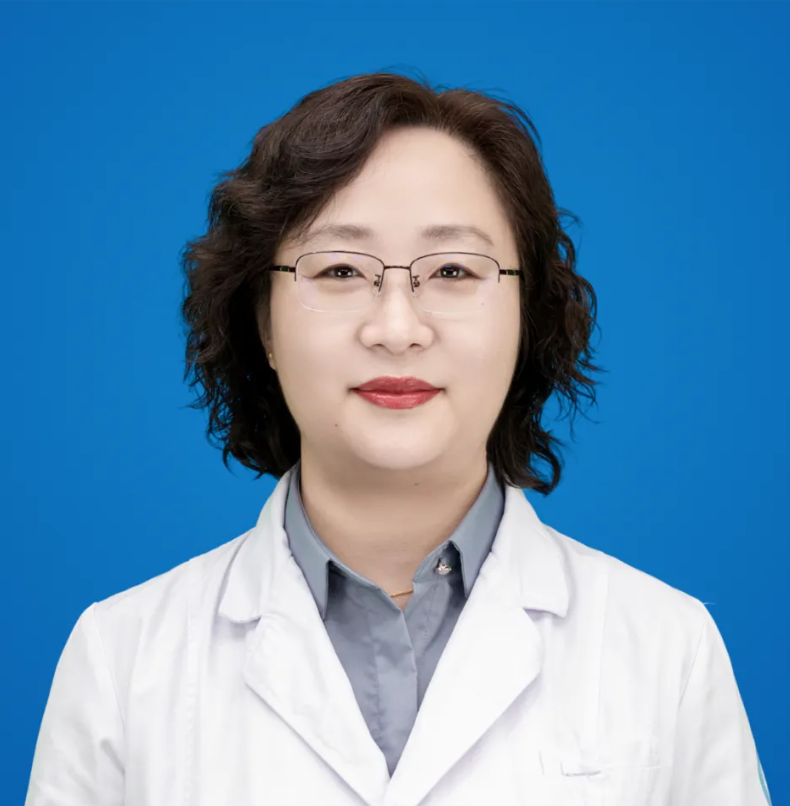
Professor Wang Suqin
Shanxi Provincial People's Hospital
Chief physician
❖ Director of Obstetrics and Gynecology, Heping Campus, PhD
❖ Second Prize in the 12th Surgical Video Competition of the Obstetrics and Gynecology Network
❖ First Prize in the 13th Surgical Video Competition of the Obstetrics and Gynecology Network
❖ Visiting scholar at the Hillman Cancer Center, University of Pittsburgh Medical Center, USA; advanced studies at the Minimally Invasive Center of Magee Gynecology Hospital, University of Pittsburgh
❖ Standardized gynecological malignancy training at MD Anderson Cancer Center, USA; Da Vinci robotic surgery training on gynecologic oncology at Yale University New Haven Hospital, USA
Academic Positions:
❖ Member of the American Association of Gynecologic Laparoscopists (AAGL).
❖ Mentor for the Ministry of Commerce's Academic Leader Training Program in Afghan Hospitals
❖ Mentor for China's Pan-Pacific Regional General Practitioner Training Program
❖ Standing Committee Member of the Obstetrics and Gynecology Physician Branch of the Shanxi Medical Doctor Association, Deputy Director of the Colposcopy and Cervical Lesions Group
❖ Deputy Leader of the Clinical Group, Reproductive Medicine Professional Committee, Shanxi Medical Association
❖ Standing Committee Member of the Cervical Cancer Prevention and Treatment Professional Committee, Shanxi Maternal and Child Health Society
❖ Standing Committee Member of the Gynecology Branch of the Shanxi Geriatrics Society
❖ Standing Committee Member of the Adenomyosis and Endometriosis Professional Committee of the Shanxi Eugenics Science Association, and Advisor to the Pelvic Floor Professional Committee
Source: Professor Wang Suqin from Shanxi Provincial People's Hospital
Editor:lucy