
Postpartum hemorrhage is the leading cause of maternal death worldwide, and placenta previa is a "high-risk killer" for massive bleeding during cesarean sections. Recently, a large-scale Phase III clinical study led by Professor Chen Dunjin, Director of the Third Affiliated Hospital of Guangzhou Medical University / Guangzhou Institute of Obstetrics and Gynecology, jointly conducted by 24 obstetric centers nationwide, was officially published in the top international medical journal BMJ. It provides new evidence to safeguard the safety of cesarean sections for women with placenta previa: prophylactic acid use on top of routine oxytocin can reduce the incidence of postpartum bleeding from 35.1% to 29.7%, and significantly reduce the risk by 15%.
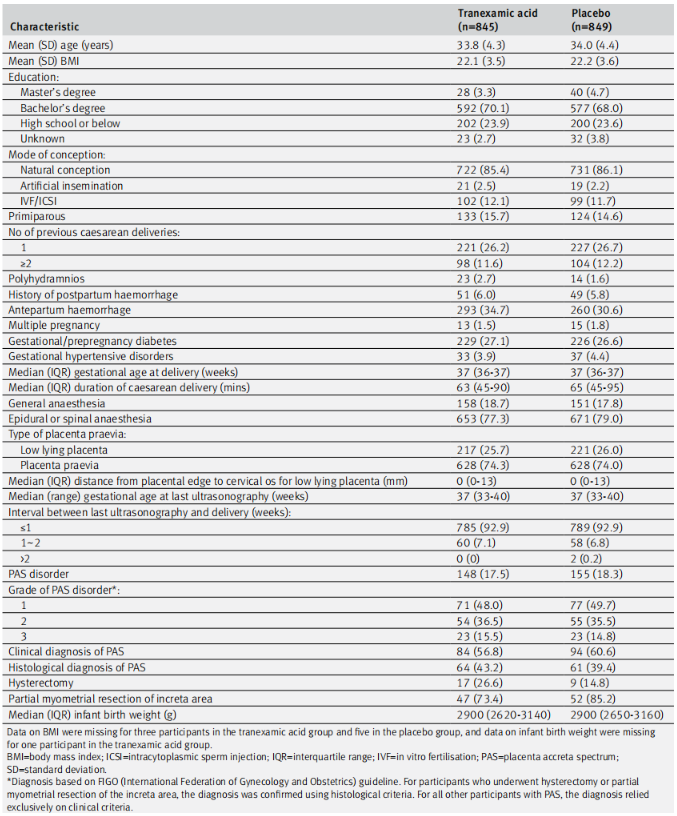
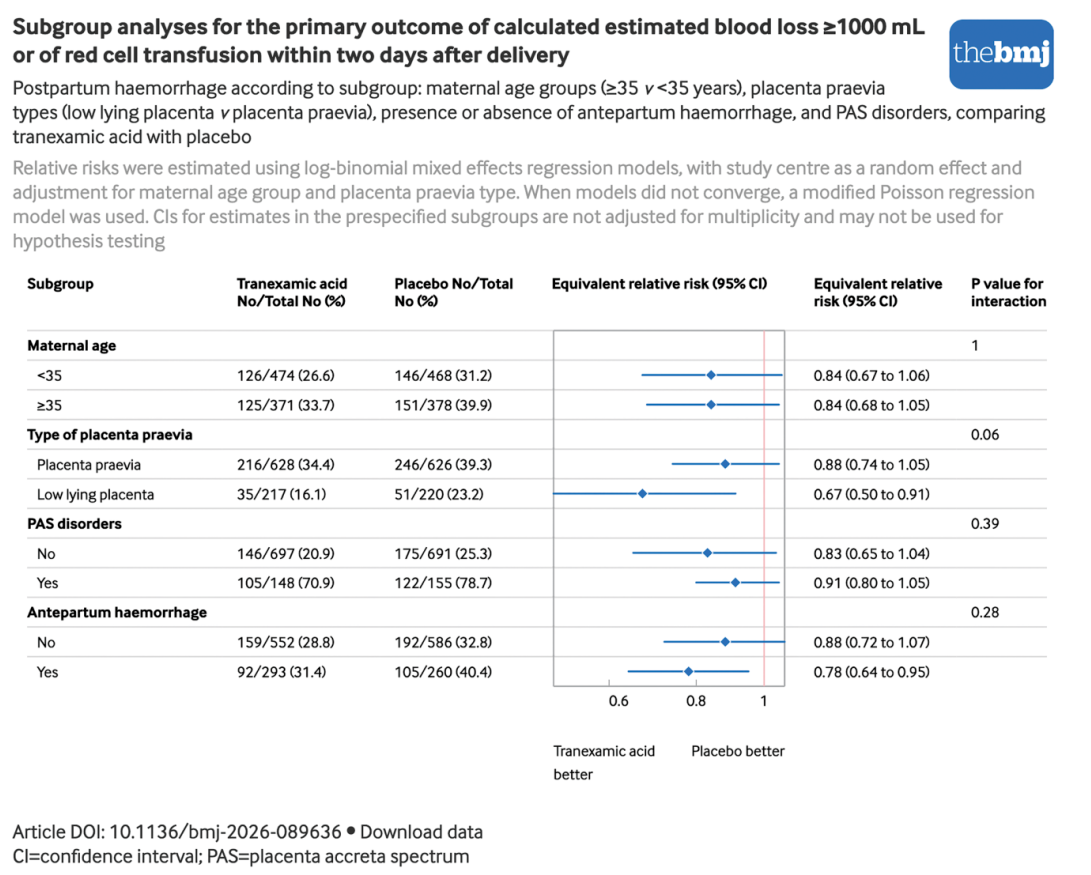
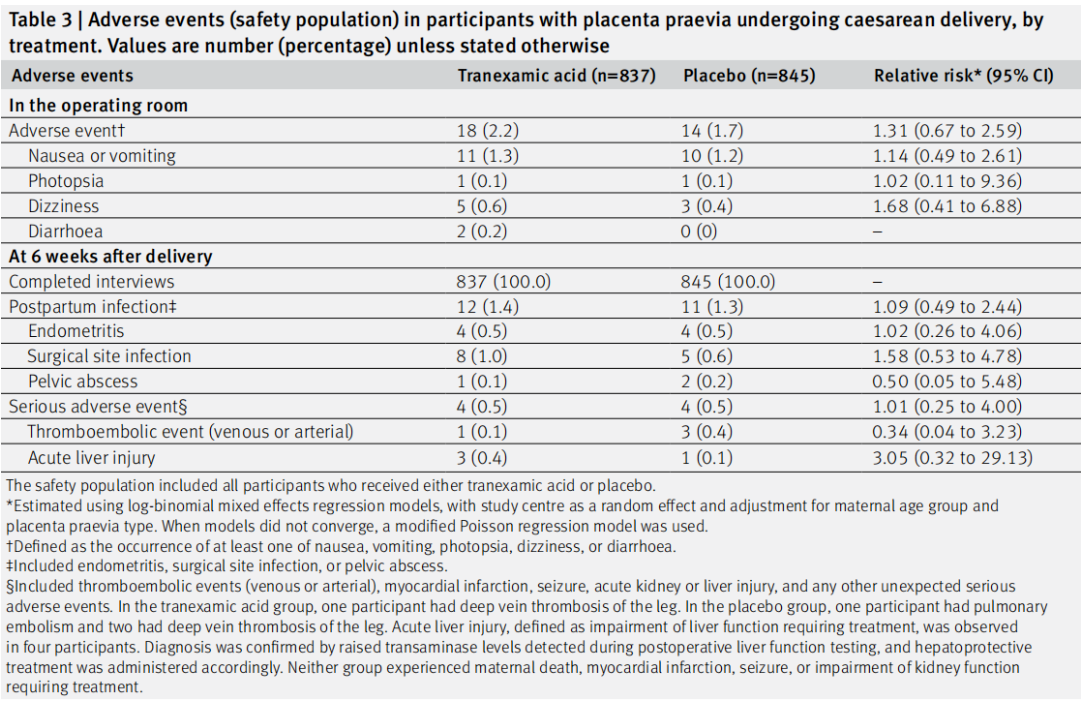
The study was conducted from July 2023 to March 2025 at 24 obstetric centers across 10 provinces in China, enrolling 1,732 women who had placenta previa and planned to undergo cesarean section. Participants were randomly assigned 1:1 to the tranexamic acid group (1g/10mL, diluted and administered intravenously for 10 minutes) or the placebo group (10mL saline). The study drug was administered within 5 minutes after cord clamping, and all mothers simultaneously received prophylactic oxytocin (10 IU, administered immediately after fetal delivery). Randomization was stratified by study center, maternal age group (≥ 35 or < 35), and type: placenta previa or placenta previa (low placenta or placenta previa). The primary outcome of the study was postpartum hemorrhage, defined as calculated estimated blood loss ≥1000 mL or red blood cell transfusion within 2 days postpartum. Secondary outcomes included clinically and laboratory-measured postpartum hemorrhage, hemostatic interventions, adverse reactions, and serious adverse events (thrombotic events, epilepsy, acute liver and kidney injury, maternal death, etc.), with follow-up up to 6 weeks postpartum. Figure 1: Randomization and treatment process Patients lacking primary outcome data due to lack of postoperative hematocrit measurements. Eligible patients were those who received tranexamic acid or placebo within 5 minutes after cord clamping A total of 1,694 mothers were ultimately included in the analysis of intention-to-treat patients, including 845 in the tranexamic acid group and 849 in the placebo group. Among all participants, the proportion of PAS combined was 17.9% (303/1694). Table 1 shows baseline data for both groups: tranexamic acid group average age 33.8 years, placebo group 34.0 years; average BMI was 22.1 and 22.2, respectively; placenta previa (non-hypoclera) type accounted for about 74%; The PAS proportions were 17.5% and 18.3%, respectively. The two groups of baseline features were equilibrium and comparable. Table 1: Baseline characteristics of women who had cesarean section with placenta previa by treatment group The primary outcome data for postpartum hemorrhage were 29.7% (251/845) in the tranexamic acid group and 35.1% (297/846) in the placebo group, with a relative risk of 0.85 (95.2% CI 0.75-0.96, P=0.01). Among them, the proportion of estimated blood loss ≥1000 mL was 25.7% (217/845) in the tranexamic acid group and 31.6% (267/846) in the placebo group, with a relative risk of 0.81 (95% CI 0.70-0.93); The red blood cell infusion rate within 2 days postpartum was 18.8% (159/845) in the tranexamic acid group and 21.6% (183/849) in the placebo group, with a relative risk of 0.88 (95% CI 0.74-1.03). The number of cases (NNT) required to prevent one case of postpartum hemorrhage was 19 (95% CI 10-104). Figure 2: Subgroup analysis of the primary outcomes The risk of tranexamic acid versus placebo was compared across different maternal age groups (≥35 years vs. <35 years), typetype of placenta previa (low placenta vs. placenta previa), presence of prenatal hemorrhage, and presence or absence of postpartum hemorrhage in PAS disorder (estimated blood loss≥ 1000 mL or red blood cell transfusion within 2 days postpartum). Subgroup analysis showed that in the maternal age group < 35 years (relative risk 0.84), ≥ 35 years group (0.84), placenta previa group (0.88), low placenta group (0.67), combined PAS group (0.91), no PAS group (0.83), prenatal hemorrhage group (0.78), and no antepartum hemorrhage group (0.88), the therapeutic effects of tranexamic acid were consistent, with interaction P values greater than 0.05 (0.06 and 0.39, respectively). 、0.28)。 For secondary outcomes, the proportion of weight-estimated blood loss ≥1000 mL in the tranexamic acid group was 15.0% (127/845), compared to 20.6% (175/849) in the placebo group, with a relative risk of 0.80 (95% CI 0.66-0.96). Average blood loss estimated by gravity was 790 mL and 813 mL between groups, with an inter-group difference of -23.98 mL (95% CI -88.86 to 40.90). The mean perinatal decrease in hemoglobin was 11 g/L in the tranexamic acid group and 13 g/L in the placebo group, with an intergroup difference of -1.79 g/L (95% CI -3.10 to -0.47). The proportion of hemoglobin decreases > 20 g/L was 17.9% and 22.9%, respectively, with a relative risk of 0.77 (95% CI 0.64-0.93). The average perinatal reduction in hematocrit was 3.5% and 4.0%, respectively, with an intergroup difference of -0.53% (95% CI -0.99% to -0.07%). There were no significant differences between the two groups in hysterectomy rates (2.2% vs 2.1%), ICU transfer rates (13.4% vs 13.5%), open-label use of tranexamic acid (11.6% vs 12.1%), and length of hospital stay (both 7 days). Table 3 shows safety outcomes. In the operating room, the incidence of adverse events (nausea, vomiting, flash, dizziness, diarrhea) was 2.2% (18/837) in the tranexamic acid group and 1.7% (14/845) in the placebo group, with a relative risk of 1.31 (95% CI 0.67-2.59). The incidence of serious adverse events was 0.5% (4 cases each) in both groups, with a relative risk of 1.01 (95% CI 0.25-4.00). Thrombotic events: 1 case of deep vein thrombosis in the tranexamic acid group, 1 pulmonary embolism and 2 cases of deep vein thrombosis in the placebo group. Acute liver injury: 3 cases (0.4%) in the tranexamic acid group, 1 case (0.1%) in the placebo group. No maternal deaths, myocardial infarction, epilepsy, or nephrotic renal impairment requiring treatment occurred in either group. Postpartum infection rates were 1.4% and 1.3%, respectively, with a relative risk of 1.09 (95% CI 0.49-2.44). Table 3: Adverse events grouped by treatment for women with placenta previa (safe population) In women who received prophylactic oxytocin and underwent cesarean section due to placenta previa, tranexamic acid treatment reduced the incidence of postpartum hemorrhage from 35.1% to 29.7%, with a relative risk of 0.85 (95.2% CI 0.75-0.96), and no increased risk of serious adverse events was observed. This study provides high-quality evidence for preventing postpartum hemorrhage in the high-risk group of high-risk groups with placenta previa. Chief physician, professor, doctoral supervisor, and expert enjoying the State Council allowance Director of the Third Affiliated Hospital of Guangzhou Medical University / Guangzhou Institute of Obstetrics and Gynecology Director of the Guangzhou Critical Care Center for Pregnant and Postpartum Women Director of the Guangdong Key Laboratory of Obstetric Major Diseases Director of the Key Laboratory of Maternal-Fetal Medicine in Guangdong-Hong Kong-Macao Director of the Guangdong Maternal-Fetal Medicine Engineering Technology Research Center Chief expert of the Guangdong Province 2011 Obstetric Science Collaborative Innovation Center project Chairman of the Maternal-Fetal Medicine Professional Committee of the Obstetricians and Gynecologists Branch of the Chinese Medical Doctor Association Chair of the Maternal-Fetal Medicine Professional Committee of the World Chinese Obstetricians and Gynecologists Branch Deputy Director of the Postgraduate Medical Education Committee on Obstetrics and Gynecology of the Chinese Medical Doctor Association Standing Committee Member of the Perinatal Medicine Branch of the Chinese Medical Association Deputy Leader of the Perinatal Critical Care Medicine Group of the Perinatal Medicine Branch of the Chinese Medical Association Member of the Obstetrics Group of the Obstetrics and Gynecology Branch of the Chinese Medical Association Member of the Preeclampsia Group of the Obstetrics and Gynecology Branch of the Chinese Medical Association Chairman of the Maternal-Fetal Medicine Physician Branch of the Guangdong Medical Doctor Association Academic positions such as Deputy Director of the Obstetrics and Gynecology Branch of the Guangdong Medical Association He has received honors such as National Famous Doctor, Outstanding Teacher of Southern Guangdong, National Outstanding Teacher, National May 1st Labor Medal, Guangdong May 1st Labor Medal, Guangdong Province Leading Talent in Obstetrics and Gynecology, and Guangdong Provincial "Excellent Professional Base Director." Content sources: Zhang L, Bi S, Chen L, Du L, He F, Qiao Y et al. Prophylactic tranexamic acid for the prevention of postpartum haemorrhage in women with placenta praevia: multicentre, double blind, randomised, placebo controlled, phase 3 trial BMJ 2026; 393 :e089636 doi:10.1136/bmj-2026-089636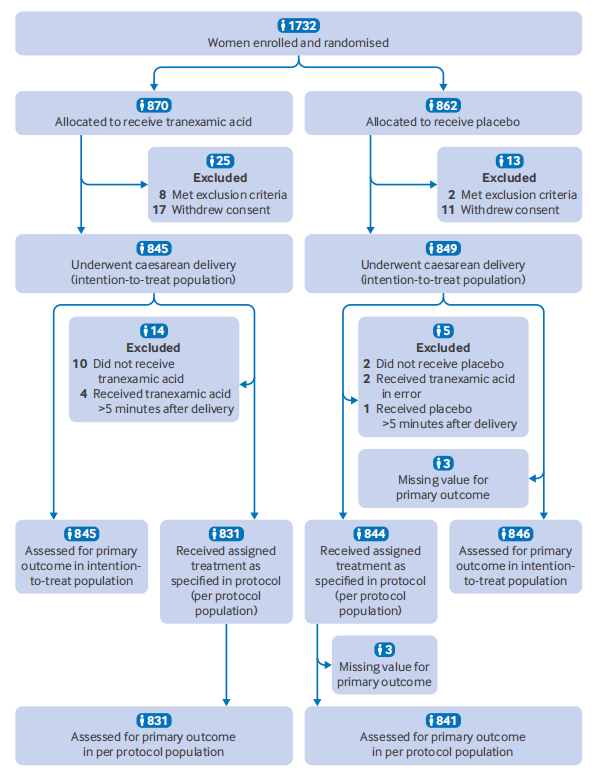

Editor:lucy