
Prevention and control of endometriosis malignancy and whole-course management are key priorities and challenges in clinical obstetrics and gynecology practice. To further promote the scientific implementation and standardized application of precise diagnostic and therapeutic strategies in this field, Obstetrics and Gynecology Network invited Professor DING Ding from Obstetrics and Gynecology Hospital of Fudan University to share insights on "Key Clinical Practices and Whole-Course Management Strategies for Endometriosis from the Perspective of ACE 2025". The sharing addresses practical questions faced by clinicians in formulating treatment plans for patients with fertility needs, implementing multidisciplinary team (MDT) collaboration, and conducting long-term follow-up monitoring. It also clarifies misconceptions about endometriosis and enhances awareness of early standardized diagnosis and treatment, providing professional and guiding perspectives for medical colleagues. This aims to help diagnostic and therapeutic strategies better serve disease prevention and public health, and jointly advance the achievement of precise prevention, control, and high-quality management of endometriosis in China.
Obstetrics and Gynecology Network:
At ACE 2025, Professor Ding shared the radical treatment process of a case of endometriosis malignant transformation into adenosarcoma. Adenosarcoma with high-risk factors has a high recurrence rate, and the background of endometriosis may increase the complexity of subsequent management. For endometriosis patients with malignant transformation and fertility needs, how will the MDT adjust treatment and follow-up strategies?
Professor DING Ding:
At ACE 2025, I shared a case of a 26-year-old patient with deep infiltrating endometriosis of the rectovaginal septum that had undergone malignant transformation into adenosarcoma. The patient was unmarried and childless, with a 7-8 year history of dysmenorrhea, but had not received standardized gynecological examinations or treatment. Malignant transformation was already present at the first visit.
In addition, among the endometriosis patients with malignant transformation I have treated, there are types such as ovarian endometrioid cyst malignant transformation and ovarian clear cell carcinoma, with the youngest patient being only 29 years old. Usually, the age of onset of endometriosis malignant transformation is over 40 years old, but young cases are not uncommon. Especially when combined with unmarried status, childlessness, and fertility needs, the MDT team must accurately balance treatment and fertility requirements. Specific strategy adjustments are as follows:
1. Adjustments to Treatment Strategies
2. Adjustments to Follow-Up Strategies
Currently, issues such as the safe duration and specific protocols of hormone use during assisted reproduction still require further exploration through multicenter prospective studies to form more precise diagnostic and therapeutic standards, and better ensure the treatment effect and fertility safety of such patients.
Obstetrics and Gynecology Network:
Regarding the exchange session of this conference, what is the most important insight or keyword you want to share?
Professor DING Ding:
The keyword I want to share most is "integration of scientific research and clinical practice", which is also the essence and core significance of this conference.
This conference brought together top experts in the field of endometriosis from around the world, including not only Asian experts but also senior scholars from regions such as the United States and Europe, many of whom are long-term colleagues and friends in this field. The core purpose of experts from various countries gathering together is to exchange the latest research results in clinical practice and scientific research, and the on-site discussion atmosphere was very enthusiastic.
From the perspective of scientific research, many expert teams are focusing on the research of endometriosis pathogenesis, exploring the role of immune cells and inflammatory cells (such as mast cells) in the occurrence and development of endometriosis, and identifying potential therapeutic targets. For example, targeting inflammatory factors and leukocytes, studies are being conducted to determine whether blocking these factors can inhibit immune-inflammatory responses, angiogenesis, and fibrosis processes, thereby relieving patient pain, delaying disease progression, and reducing lesions. Various teams are making intensive efforts in this direction.
The ultimate goal of scientific research is to solve practical clinical problems, which is also an important core of the exchange session. Experts actively exchanged experiences around clinical pain points related to endometriosis, with a particular focus on practical issues related to endometriosis and reproduction. For example, for patients who failed IVF, discussions were held on the circumstances under which clinical surgical intervention is needed, and how many IVF failures warrant adjustments to treatment plans. The value of such practical exchanges is the important significance of the conference's exchange session.
In short, scientific research provides new directions and targets for clinical treatment, while clinical practice provides real problems and research scenarios for scientific research. The two are complementary, which is the most profound insight I gained from the exchange session of this conference.
Obstetrics and Gynecology Network:
Endometriosis requires whole-course management covering adolescence, childbearing age, and perimenopause. Could you share specific diagnostic and therapeutic strategies for different age groups?
Professor DING Ding:
Whole-course management of endometriosis requires formulating individualized strategies based on the characteristics of the patient's age group, which is also a core principle of the international ESHER guidelines and the 3rd Edition of China's Guidelines for the Diagnosis and Treatment of Endometriosis. The focus and treatment goals of patients of different age groups vary significantly, and the specific diagnostic and therapeutic strategies are as follows:
1. Adolescent Patients: Focus on Pain Relief and Development Protection
2. Reproductive-Age Patients: Balance Disease Control and Fertility Needs
3. Perimenopausal Patients: Focus on Malignancy Prevention and Control
Summary
In this interview, combining the sharing at ACE 2025, Professor DING Ding provided an in-depth interpretation of key issues in the diagnosis and treatment of endometriosis. For endometriosis patients with malignant transformation and fertility needs, the MDT team achieves a balance between treatment and fertility through comprehensive evaluation, individualized surgery, optimized fertility-assisted plans, and enhanced follow-up. The conference highlights the core of "integration of scientific research and clinical practice", and the two complement each other to promote the development of the field. At the same time, Professor Ding clarified the phased diagnostic and therapeutic strategies for endometriosis patients in adolescence, childbearing age, and perimenopause, emphasizing the importance of individualization and whole-course management. The content is both professional and practical, providing practical guidance for clinical diagnosis and treatment, and helping to improve the level of endometriosis prevention, control, and management.
Expert Profile
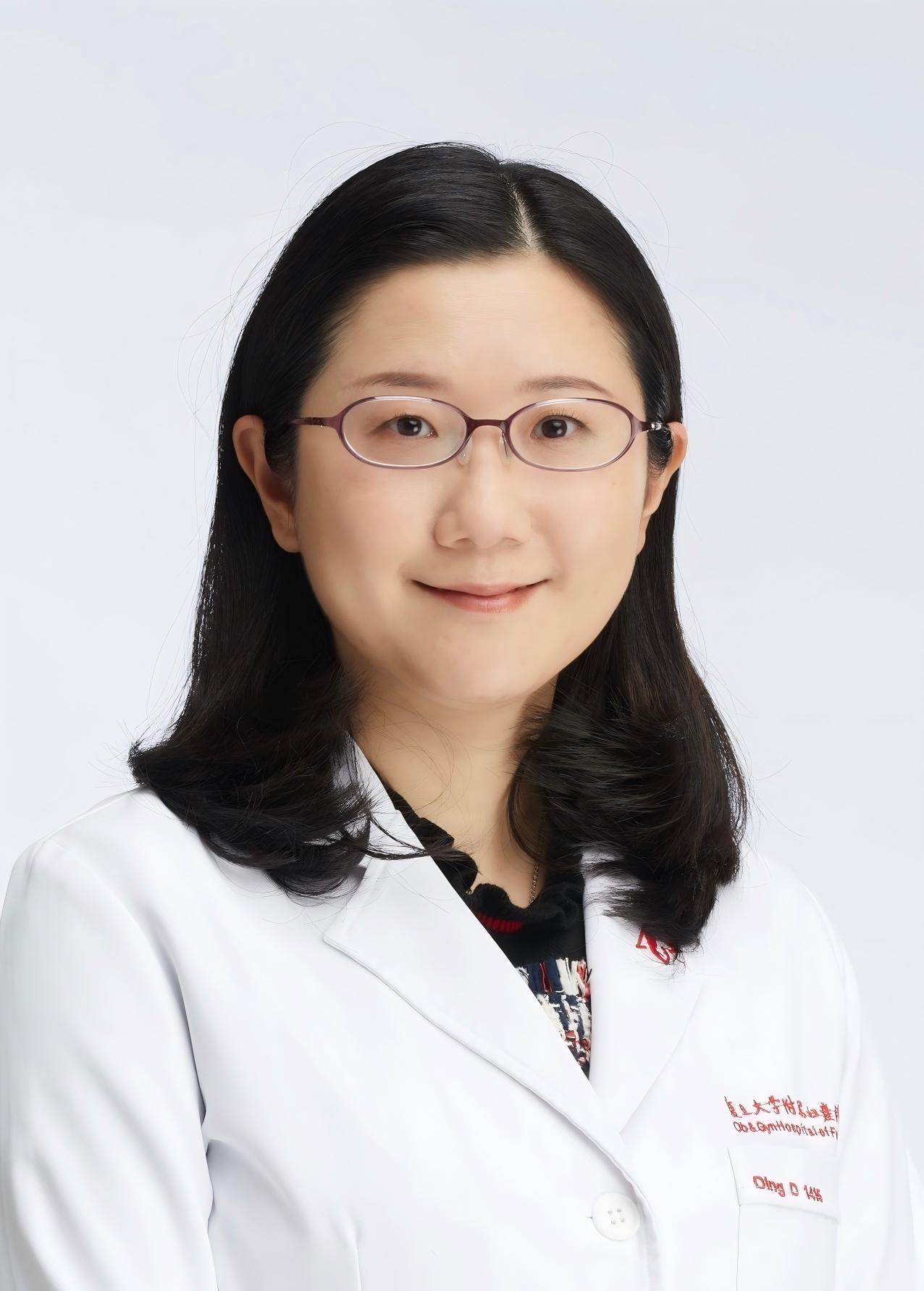
Professor DING DingChief Physician, Doctor of MedicineDepartment of Gynecology, Obstetrics and Gynecology Hospital of Fudan University
Professor Ding specializes in the diagnosis and treatment of endometriosis, adenomyosis, benign and malignant gynecological tumors (such as uterine fibroids, ovarian tumors, cervical cancer, and endometrial cancer), as well as laparoscopic minimally invasive surgical treatment. She has long been engaged in clinical and basic research on endometriosis, adenomyosis, and gynecological tumors. As the first author, co-first author, or corresponding author, she has published 16 SCI-indexed papers. She has presided over 2 National Natural Science Foundation of China projects, 1 Natural Science Foundation project of the Shanghai Science and Technology Commission, and 1 Natural Science Foundation project of the Baoshan District Science and Technology Commission. She has also participated in multiple general and key projects of national and Shanghai-level fund programs. She has participated in the compilation and translation of many obstetrics and gynecology monographs, and has attended many international conferences such as the World and Asian Congresses on Endometriosis, delivering numerous invited speeches and oral presentations. She won the Best Oral Presentation Award at the 5th Asian Congress on Endometriosis.
Editor-in-Charge: Lily