
ACE 2025 has brought together renowned scholars and clinical experts in the field of endometriosis, providing highly valuable diagnostic and therapeutic references for peers worldwide. As a common disease among women of childbearing age, endometriosis presents key challenges in clinical practice, such as prevention and control of ureteral injury during deep infiltrating surgery, preservation of fertility in fertile patients, and selection of multi-dimensional treatment plans. Standardized and precise interventions are crucial for improving patient prognosis. To this end, Obstetrics and Gynecology Network invited Professor YI from Obstetrics and Gynecology Hospital of Fudan University for an interview, focusing on topics related to "endometriosis" at ACE 2025. The aim is to provide authoritative references for clinical diagnosis and treatment, and promote the standardized and precise development of the field.
Obstetrics and Gynecology Network:
Surgery for deep infiltrating endometriosis (DIE) is highly challenging, and ureteral injury is a common yet severe intraoperative complication. At ACE 2025, you focused on how to avoid ureteral injury. Could you share the key experiences and technical points for reducing the rate of ureteral injury in DIE surgery?
Professor YI Xiaofang:
Ureteral injury is a common and serious complication of deep infiltrating endometriosis surgery, with significant hazards. It can cause ureteral obstruction and hydronephrosis, leading to renal dysfunction. If not identified in a timely manner, it may even result in renal failure. From the perspective of risk data, endometriosis itself increases the probability of ureteral injury by 6.15 times; if the patient is also complicated with adenomyosis, the risk of injury further increases by more than 4 times. Globally, the incidence of such injuries exceeds 3 per thousand. As a National Demonstration Center for Standardized Diagnosis and Treatment of Endometriosis, our hospital (Obstetrics and Gynecology Hospital of Fudan University) performs over 5,000 endometriosis-related surgeries annually, of which more than 70% are complex and difficult cases or surgeries combined with adenomyosis. Through long-term collaboration and technical refinement, we have controlled the injury rate to below 1 per thousand. Based on clinical practice, the key experiences and technical points for reducing the rate of ureteral injury in DIE surgery mainly include the following three aspects:
1. Strengthen Multidisciplinary Collaboration and Build a Synergistic Diagnosis and Treatment Model
Multidisciplinary collaboration (MDT) is the core foundation for reducing surgical risks. We have always advocated the principle of "strong alliance," integrating the advantages of relevant disciplines to provide comprehensive support for complex DIE surgeries. A closed loop is formed from preoperative evaluation, intraoperative cooperation to postoperative management, to minimize the risk of ureteral injury to the greatest extent.
2. Improve Core Physician Competence and Lay a Solid Foundation for Surgical Safety
(1) Deepen Anatomical Knowledge
All surgeons involved in the operation are required to continuously improve their understanding of the anatomy of the ureter and pelvic cavity, which is a prerequisite for precise operation and avoidance of injury. Especially for potential anatomical abnormalities in DIE patients, full preoperative prediction and accurate intraoperative identification are essential.
(2) Proficiency in Instruments and Techniques
Proactively learn and proficiently use various new instruments and equipment, clarify the performance characteristics of different instruments, ensure standardized and precise intraoperative operations, and reduce injuries caused by improper use of instruments.
(3) Emphasize Basic Training and Habit Formation
From the early stage of their careers (such as basic operations like retracting, holding the lens, and holding the arch), physicians need to develop a focused surgical habit. After being promoted to chief surgeons, they must control the surgical rhythm throughout the process to avoid risks caused by hasty operations or inattention.
(4) Strict Qualification Access
Our hospital clearly requires that chief surgeons for endometriosis surgery must hold Grade IV (the highest level) laparoscopic surgery qualification, ensuring that chief surgeons have sufficient technical reserves and anatomical control capabilities to achieve smooth intraoperative operations.
3. Establish a Comprehensive Quality Control System and Root Cause Analysis Mechanism
(1) Regular Quality Control Management
The prevention and control of ureteral injury is included in the monthly key quality control work of the hospital. Regardless of the severity of the injury, root cause analysis must be conducted to form a fixed working mechanism.
(2) Multi-Dimensional Analysis Framework
The analysis process covers two core dimensions: the patient level (whether there are clear surgical indications, alternative treatment plans, severe comorbidities, anatomical abnormalities, complex and difficult conditions, etc.) and the physician level (whether surgical qualifications meet standards, whether operational procedures are standardized, etc.), ensuring comprehensive and objective analysis.
(3) Experience Sharing and Collective Growth
Through review and summary of each injury case, extract promotable experiences and lessons to avoid, achieve common progress of all physicians, continuously optimize surgical safety processes, and gradually reduce the injury rate to the minimum.
Obstetrics and Gynecology Network:
At this ACE conference, many experts conducted rich and diverse exchanges of viewpoints. From your perspective as a participant, what profound insights have you gained? What implications do the new perspectives presented at the conference have for the development of the endometriosis field?
Professor YI Xiaofang:
The ACE conference I participated in this time is the 13th Asian Congress on Endometriosis, with a distinct theme: "Empowering Women · Enhancing Treatment · The Future of Endometriosis." From the first Asian Congress on Endometriosis held in Shanghai in 2010, where I participated as a secretary, to now after 15 years, I can still see many senior experts who have long been engaged in this field at the conference, deeply feeling the power of industry inheritance and persistence. This conference has brought me many profound insights, and the new perspectives presented have also pointed out a clear direction for the development of the endometriosis field.
1. Core Insights from Attending the Conference
(1) Highlighting Collaboration and Multi-Perspective Interaction
The most distinctive feature of this conference is the emphasis on collaborative cooperation and the collision of multi-dimensional perspectives, with rich and focused agenda settings. The pre-conference sessions lasted for two days, including workshops on two themes: ultrasound imaging and complex and difficult surgeries. The main conference lasted for two days, including keynote speeches, 8 plenary speeches, and 18 parallel session speeches, covering all aspects of endometriosis diagnosis, treatment, and whole-course management. Due to the high density and strong professionalism of the topics, participating physicians need to engage in immersive communication in specific venues. This model also allows each conference to bring new discoveries and reflections.
(2) Sufficient Cross-Regional Academic Exchanges
This conference carried out close cooperation with two important academic organizations: the European Society of Endometriosis and the World Congress on Endometriosis, attracting the active participation of many European and American scholars. It built a bridge for academic exchanges between Asia, Europe, and America, enabling full sharing of diagnostic and therapeutic experiences and research results from different regions.
2. Core Implications of New Conference Perspectives for Field Development
(1) Diagnostic Field: Strengthen Multidisciplinary Collaboration to Improve Diagnostic Accuracy
The conference clarified that the diagnosis of endometriosis should pay more attention to physicians' in-depth participation in imaging diagnosis. In Europe and America, gynecologists often perform ultrasound examinations directly, resulting in higher accuracy of ultrasound diagnosis. In Asia, although there are specialized ultrasound diagnosticians, more emphasis is placed on joint image reading by gynecologists, radiologists, and magnetic resonance physicians. Through multidisciplinary collaboration and complementarity, the accuracy and comprehensiveness of diagnosis are further improved.
(2) Therapeutic Field: Establish the Central Position of Patients and Emphasize Whole-Course Participation
The conference emphasized that the core of multidisciplinary diagnosis and treatment should be the patients themselves. Since each patient's condition and expectations for diagnosis and treatment vary, involving patients in the entire process of diagnosis and treatment decisions can better meet individual needs and thereby improve treatment efficacy. This also provides important ideas for the individualized treatment of endometriosis.
(3) Whole-Course Management: Promote In-depth Integration of Basic Research and Clinical Practice
This conference showcased many breakthroughs made by European and American scholars in the field of endometriosis basic research, covering genomics, metabolomics, immunology, and other molecular biology directions. The conference clarified that basic researchers need to participate in disease management throughout the process. From the stage of patient diagnosis or sample collection for diagnosis, relevant samples should be scientifically managed as a biobank. It also advocated global information sharing of biobanks to provide solid basic research support for personalized and precise treatment.
(4) Industry Development: Build a Global Collaborative Network to Facilitate Common Progress in the Field
Through cooperation with top international academic organizations and in-depth exchanges with cross-regional scholars, geographical barriers are broken, allowing diagnostic and therapeutic concepts and research methods from different regions to learn from each other. This global collaboration model can not only accelerate the translation of basic research into clinical practice but also promote the coordinated development of the entire endometriosis field in terms of diagnostic standards, treatment norms, and whole-course management systems, ultimately benefiting more patients.
Obstetrics and Gynecology Network:
Endometriosis is a common disease in women of childbearing age, characterized by chronic pelvic pain, dysmenorrhea, infertility, and high recurrence rate. What are the core goals of clinical treatment? What are the main current treatment methods?
Professor YI Xiaofang:
As a common disease in women of childbearing age, the core goals of clinical treatment for endometriosis have always centered on a "patient-centered" approach. Through precise interventions, we address patients' core needs while considering long-term health and quality of life. Specifically, they include the following three key dimensions:
1. Core Goals of Clinical Treatment
(1) Achieve Both Anatomical and Functional Reduction
Focus on patients' core concerns: on the one hand, complete anatomical reduction by removing abnormal lesions such as pelvic masses and restoring the normal anatomical structure of the pelvic cavity; on the other hand, attach importance to functional reduction, improve patients' sexual function, ovarian ovulation function, urinary tract function, and defecation function, and solve various functional abnormalities caused by the disease.
(2) Protect and Preserve Fertility in Women of Childbearing Age
Since the disease is a systemic and systematic disease that is prevalent in women of childbearing age, the protection and preservation of fertility are important considerations in clinical treatment. It is necessary to give priority to patients' fertility needs during treatment, creating conditions for subsequent natural conception or assisted reproduction.
(3) Maintain Patients' Quality of Life in the Long Term
Treatment needs to comprehensively balance short-term efficacy and long-term impact, fully consider the potential side effects of treatment methods such as surgery and drugs. While controlling the disease and relieving symptoms (such as chronic pelvic pain and dysmenorrhea), minimize the adverse impact of treatment on patients' quality of life and reduce the risk of disease recurrence.
2. Main Current Treatment Methods
Clinical treatment for endometriosis needs to develop individualized plans based on patients' age, severity of illness, fertility needs, etc. It mainly includes three categories: drug treatment, non-surgical conservative treatment, and surgical treatment, as follows:
(1) Drug Treatment
Drug treatment is a commonly used basic clinical treatment method, divided into two categories:
(2) Non-Surgical Conservative Treatment
This type of treatment does not require surgical intervention and is suitable for patients with mild conditions or those temporarily unsuitable for surgery. It mainly includes thermotherapy-related technologies, specifically radiofrequency ablation, microwave therapy, high-intensity focused ultrasound (HIFU) therapy, etc. The conference also shared clinical application data and effect comparisons of various thermotherapy methods.
(3) Surgical Treatment
Surgical treatment emphasizes "refined functional protection," with the core being functionally protective radical surgery: on the basis of complete resection of lesions, surgeons are required to proficiently master pelvic nerve anatomy and the anatomical structure of surrounding organs, maximize the preservation of patients' reproductive function and pelvic organ function, and avoid new functional injuries caused by surgery.
At the same time, comprehensive evaluation and multidisciplinary collaboration considerations are required before surgery: first, determine whether the patient needs surgery (for example, patients seeking fertility need joint discussion with reproductive medicine specialists and imaging specialists); second, clarify the main body for performing the surgery, giving priority to experienced professional teams to avoid novice doctors attempting high-risk operations. Ultimately, the goal of "minimizing complications and maximizing treatment efficiency" is achieved.
Summary
In this interview, combining clinical practice and cutting-edge perspectives from ACE 2025, Professor YI Xiaofang systematically answered core key issues in the field of endometriosis diagnosis and treatment, sharing insights from multiple aspects such as surgical safety, academic development, and clinical diagnosis and treatment. These experiences and insights are not only based on clinical reality but also in line with global academic trends, providing important guidance for the standardized diagnosis and treatment, risk prevention and control, and collaborative development of the endometriosis field. Ultimately, they will help more patients receive precise, safe, and effective diagnostic and therapeutic services.
Expert Profile
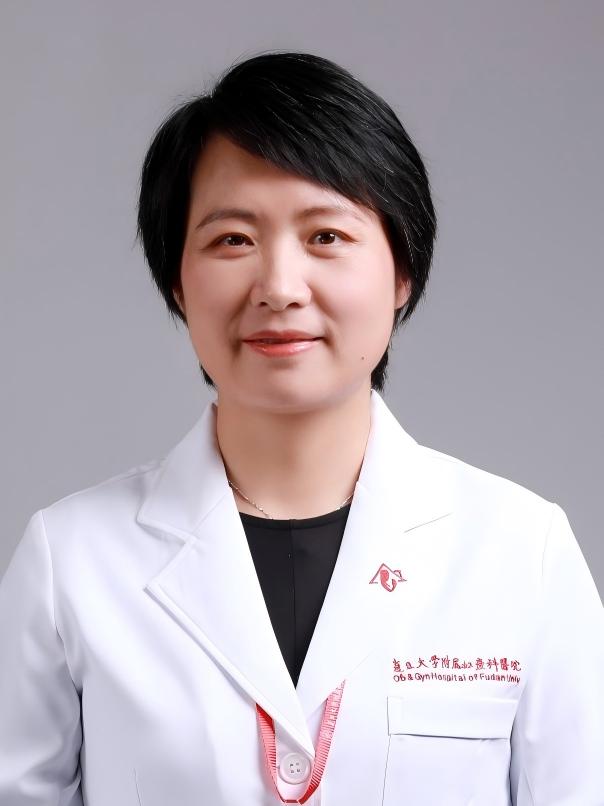
Professor YI XiaofangDirector of General Gynecology, Chief Physician, Professor, Doctoral SupervisorObstetrics and Gynecology Hospital of Fudan University
Editor-in-Charge: Lily