Pioneer Talk | Professor Xiang Yang: Uphold the Mission of Healing, Pass Down the Torch of Medicine, and Witness the Strength of Chinese Gynecologic Oncology
Over forty years of medical practice, nearly thirty dedicated to the field of gynecologic oncology.
From frontline clinical work at Peking Union Medical College Hospital to leading China’s gestational trophoblastic neoplasia (GTN) diagnosis and treatment onto the global stage, Professor Xiang Yang has always stayed true to his original aspiration of putting patients at the center. He keeps forging ahead in clinical practice, scientific research and discipline development.
Medicine demands both inheritance and innovation. Nurtured by the rigorous and pragmatic spirit of senior medical masters, he leads his team to overcome tough challenges, and devotes himself to passing on rigorous, truth-seeking medical ethics to young physicians.
In this episode of Pioneer Talk, let us listen to Professor Xiang Yang’s reflections on his medical career, look back on his decades-long journey walking alongside lives, and explore his core thoughts on medical original aspiration, compassion for patients, and disciplinary progress in this new era.
Expert Profile
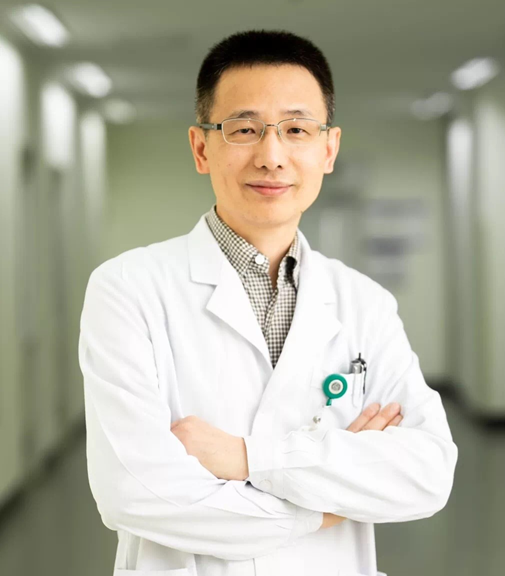
Professor Xiang Yang
Director, Department of Gynecologic Oncology, Peking Union Medical College Hospital, Chinese Academy of Medical Sciences & Peking Union Medical CollegeProfessor, Doctoral Supervisor, Distinguished Professor of the First Batch of "PUMC Scholars", Member of the 8th Academic Committee of Peking Union Medical CollegeRecipient of Special Government Allowance from the State Council - 2024: Outstanding Contribution Award, National Maternal and Child Health Science and Technology Award
- 2025: National Model Worker
- Winner of the 9th National Distinguished Young and Middle-aged Expert in Health Care
Major Academic Appointments
- Executive Committee Member & the 18th President, International Society for the Study of Trophoblastic Disease (ISSTD)
- Standing Director, Asian Society of Gynecologic Oncology (ASGO)
- Chairman, Gynecologic Oncology Branch of Chinese Medical Association
- Vice Chairman, Obstetrics and Gynecology Branch of Chinese Medical Association
- Chairman, Minimally Invasive Medicine Committee, Chinese Medical Doctor Association
- Vice Chairman, Uterine Tumor Committee, Chinese Anti-Cancer Association
- Chairman, Obstetrics and Gynecology Branch, Beijing Medical Association
Rooted in the Mission of Saving Lives: Persisting in Gynecologic Oncology amid Inheritance and Exploration
The advancement of gynecologic oncology hinges on the popularization of standardized diagnosis and treatment, as well as communication and exploration among clinicians. Academic exchange platforms facilitate the sharing of clinical experience and research findings, driving continuous improvement of gynecologic oncology care across China.
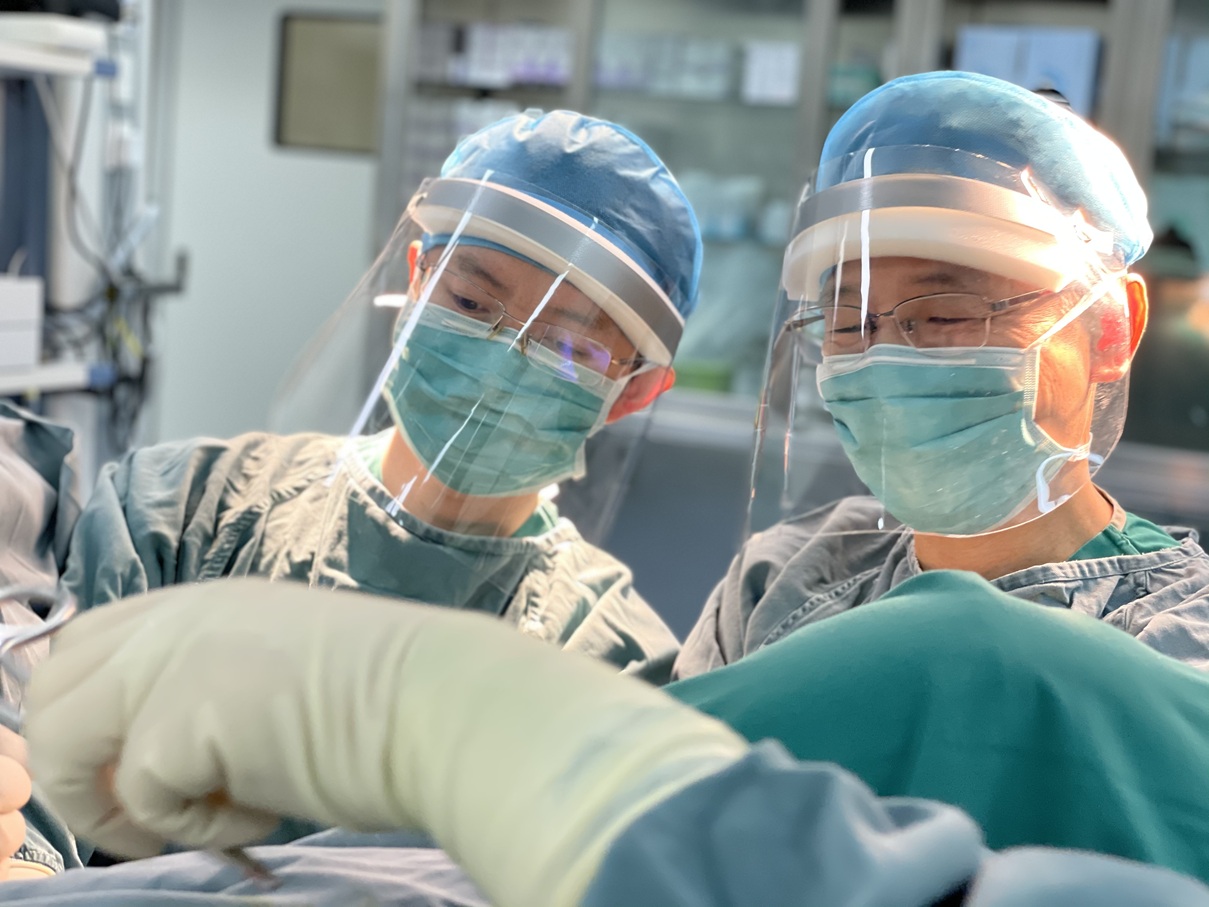 Forty years into my medical career, nearly thirty spent in gynecologic oncology, I have maintained a mindset of lifelong learning and exploration. Medical science never reaches a finishing line. As clinicians, we must continuously identify and solve clinical problems to refine our diagnosis and treatment philosophies through real-world practice.
Gynecologic malignancies threaten the lives and health of countless women. Given China’s large population base, tens of thousands of patients annually suffer from malignant tumors including cervical cancer, endometrial cancer and ovarian cancer. Caring for these patients places an enormous responsibility on clinicians, leaving no room for slackness.
Our core mission is to elevate standards of diagnosis and treatment, deliver standardized, effective care to patients, and help them achieve better therapeutic outcomes and quality of life.
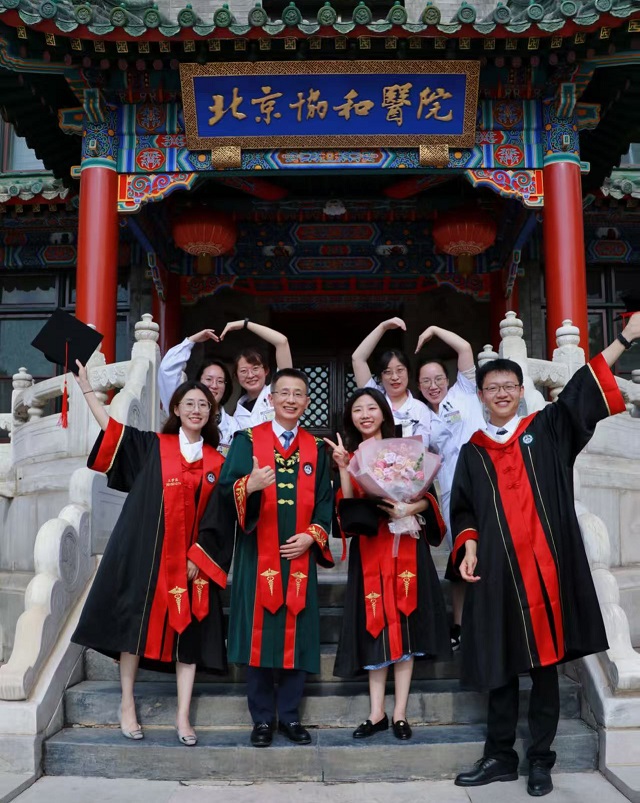
I graduated from medical school in the 1980s and have worked at Peking Union Medical College Hospital ever since. Growing up in this rigorous medical environment, I was profoundly influenced by senior experts—their rigorous academic attitude, wholehearted dedication to patients, and relentless drive for medical breakthroughs.
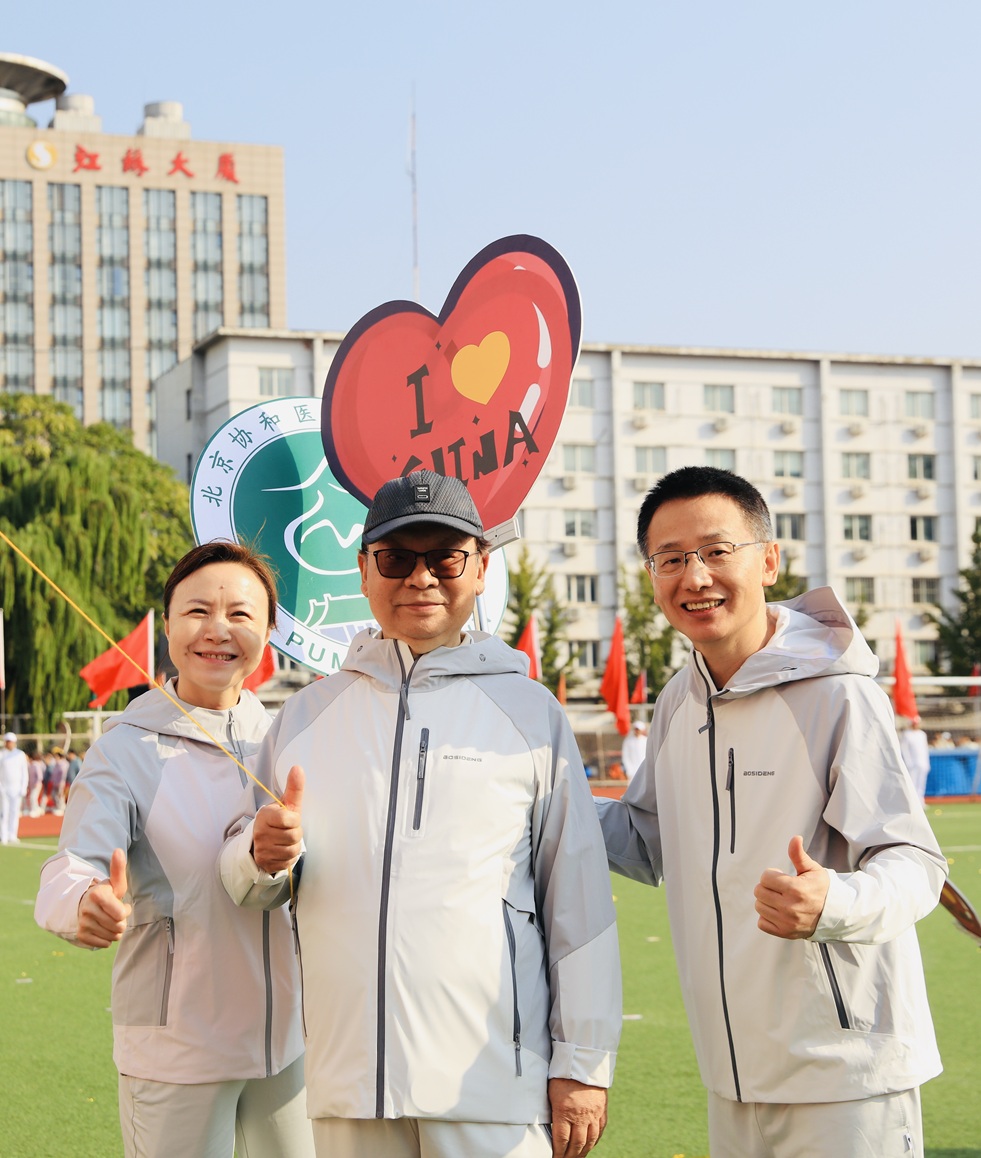
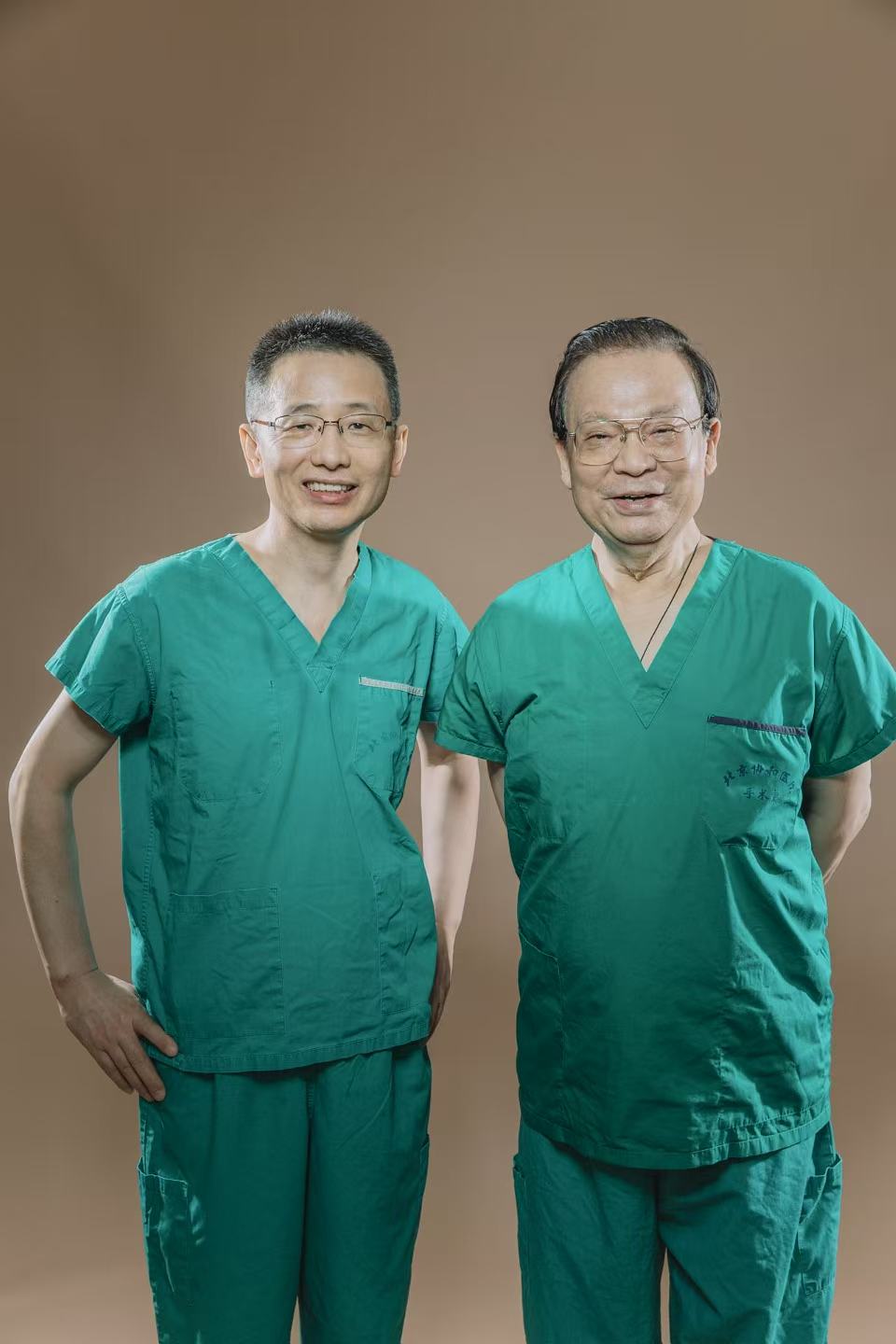
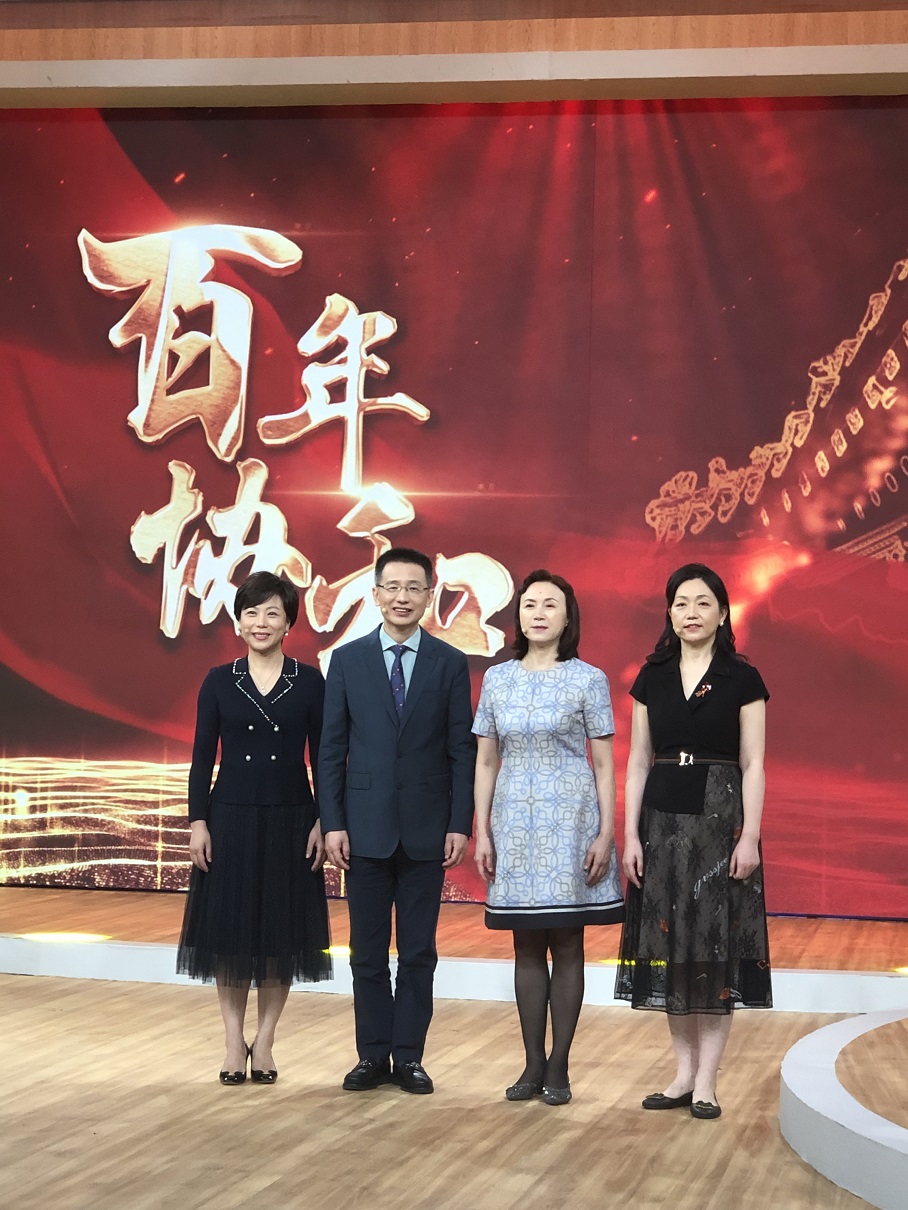
Our generation of physicians stands on the shoulders of our predecessors. Medical inheritance is far more than simple repetition: we build on the experience of senior experts, integrate cutting-edge scientific advances, and address emerging clinical dilemmas through research.For gynecologic oncologists, high-quality clinical research ranks equally important alongside daily clinical duties. Reliable evidence generated by research can update clinical guidelines, guide real-world practice, and ultimately benefit more patients. As Chairman of the Gynecologic Oncology Branch of Chinese Medical Association, I aim to unite gynecologic oncology specialists nationwide via academic platforms, promote standardized and homogenized care, and ensure patients in all regions have access to standardized treatment.
China has made remarkable strides in gynecologic oncology in recent years. As members of academic organizations, we strive to roll out consistent, standardized care nationwide so patients everywhere receive high-quality treatment.
Our shared goal for all gynecologic oncologists is to lift China’s overall standard of gynecologic oncology care, delivering improved outcomes for patients across the country.
Guarding Patients’ Second Chance at Life: Realizing the Value of Healers Through Clinical Practice
Our team at Peking Union Medical College Hospital can take pride in our landmark global research achievements in gestational trophoblastic neoplasia (GTN)—none of which would have been possible without the foundational work of senior experts.
Back in the 1960s and 1970s, Academician Song Hongzhao pioneered research on GTN. At that time, the disease carried an extremely high mortality rate: patients rapidly developed systemic metastases, particularly brain metastases, with rapid disease progression and no effective therapies available.
After in-depth research into the disease’s clinical features, successive generations of our team explored effective treatment regimens, transforming this once highly lethal disease into a curable condition.
Decades of cumulative work have refined China’s complete GTN diagnosis and treatment system. Today, we focus on two core directions: first, expanding standardized care nationwide to ensure favorable outcomes for patients regardless of where they seek treatment; second, tackling highly complex, refractory clinical cases.
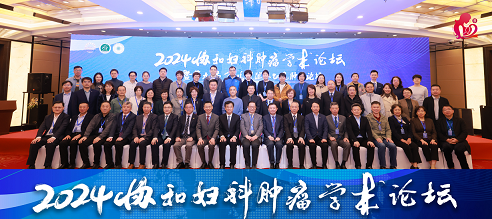 These high-risk cases include newly diagnosed patients with brain or multi-organ metastases, as well as patients with recurrent drug-resistant disease stemming from prior non-standard treatment—these remain our key targets for breakthroughs.
Countless clinical moments have left an indelible impression on me.
Many critically ill patients deemed beyond hope at initial consultation elsewhere achieve full recovery after standardized evaluation and aggressive treatment. Some regain normal lives post-treatment, get married, have children, and return years later with their kids for follow-up visits.
These moments stay etched in a physician’s memory for a lifetime.
We treat not just individual patients, but entire families. When a patient recovers and regains hope for life, their whole family regains wholeness and happiness.
When cured patients return to share joyful updates on their lives, they provide our greatest motivation—far more valuable than any professional honor. This sense of fulfillment stems solely from witnessing patients recover and live full, high-quality lives.
Medicine is both a technical discipline and a sacred responsibility. When patients entrust us with their lives, we must devote ourselves fully to resolving their illnesses.
This trust-based doctor-patient relationship embodies the humanistic spirit at the heart of medical care.
Forging Ahead with Medical Innovation: Centering All Progress on Patient Benefits
Gynecologic oncology has advanced at a breathtaking pace in recent years. Breakthroughs in genetic testing, targeted therapy, immunotherapy and antibody-drug conjugates (ADCs) deepen our understanding of disease mechanisms, uncover novel therapeutic targets, and expand treatment options for patients.
China has also made great progress in innovative drug research and development, with an increasing number of domestically patented new drugs entering clinical trials and bringing new hope to patients.
However, clinicians must recognize that technological progress exists not to chase the latest therapies, but to deliver tangible benefits to patients.
Treatment plans must be individualized based on each patient’s disease characteristics, physical condition and disease stage, rather than blindly prioritizing new drugs or cutting-edge technologies.
We must also acknowledge that every novel therapeutic tool carries dual risks. Traditional chemotherapy, alongside modern targeted agents, immunotherapy and ADCs, delivers anti-tumor efficacy yet carries potential adverse reactions. Clinicians must master the skills to identify, predict and manage treatment-related risks while tracking therapeutic response.
Future medical development demands both scientific innovation and a patient-centered mindset.
Optimal care extends beyond prolonging survival to preserving patients’ quality of life. It integrates advanced technology, standardized protocols, personalized therapy and humanistic care. Through integrated medical research and high-quality clinical trials, we anticipate translating more innovative findings into clinical practice to benefit patients nationwide.
Passing Down the Medical Torch: Cultivating Young Chinese Gynecologic Oncologists for the Future
Medicine is an inherently generational discipline built on inheritance.
We ourselves learned and grew under the guidance of senior experts, whose rigorous scholarship, patient-centered compassion and pioneering courage continue to shape our work. Now we strive to pass these core values to the next generation of physicians.
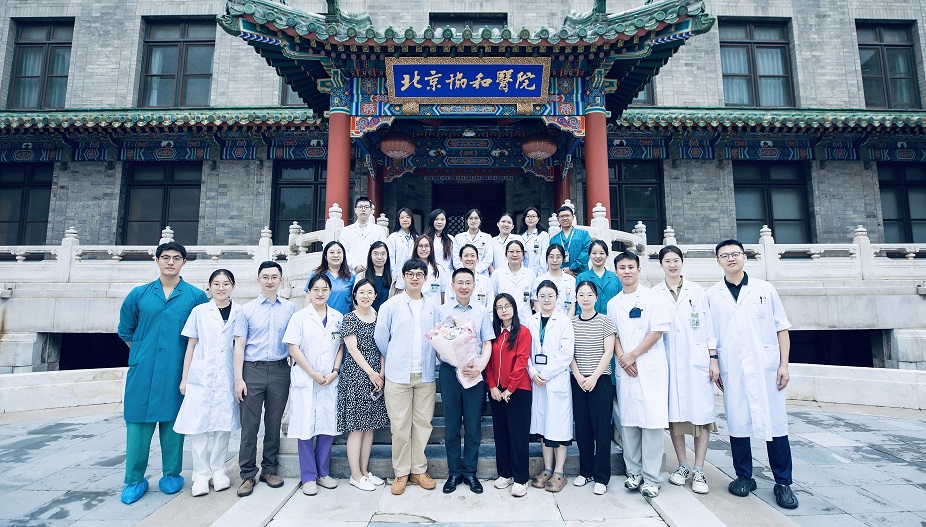
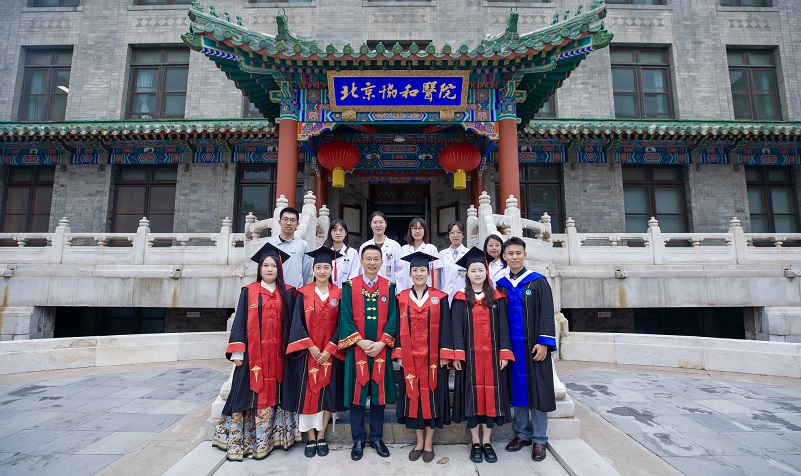
In team development, we uphold the ethos: respect senior colleagues, collaborate with peers, and nurture junior physicians.Academician Lang Jinghe proposed the "400-meter track" philosophy: every physician advances along their own specialized path, leveraging unique strengths to reduce unnecessary internal competition and drive collective disciplinary growth.
Disciplinary development resembles a forest: it requires mature, shelter-giving ancient trees alongside saplings steadily reaching upward. Senior physicians bear the responsibility to offer opportunities and support to young talent; young physicians must explore and push boundaries within their own fields.
Young clinicians need not only solid clinical expertise but also rigorous scientific research acumen. To voice their ideas on global academic stages, they must first produce authentic, high-impact research results.
We are delighted to see a rising cohort of outstanding young scholars in Chinese gynecologic oncology, who are maturing rapidly and showcasing the expertise of young Chinese physicians on international platforms.
Moving forward, we aim to provide young talents with more opportunities to participate in academic exchanges and innovative research, allowing them to demonstrate the wisdom of Chinese gynecologic oncologists to the world.
Each generation carries its own mission. I firmly believe young physicians will surpass our cohort and elevate China’s gynecologic oncology to new heights.
Over forty years of clinical practice, Professor Xiang Yang has maintained reverence for human life, kept patients’ expectations foremost in his heart, and upheld the quiet, core commitment of all healers: safeguarding health.
From conquering intractable diseases and advancing disciplinary development, to restoring hope for countless families and training the next generation of gynecologic oncology specialists, his decades of dedication embody the humanity of medicine and the responsibility of generations of medical practitioners.
The path of medicine stretches long and steady, with exploration and inheritance never ceasing. May more Chinese gynecologic oncologists take up the baton from their predecessors, march forward in the mission of protecting women’s lives and health, and ensure the torch of China’s gynecologic oncology shines brightly for generations to come.
Writer: Yu NaEditor-in-Charge: Qing HuanReviewer: Ma Ye