Editorial Note
In recent years, endometrial carcinoma has shown a prominent trend of younger onset. Among all newly diagnosed cases nationwide, 20%–25% occur in women of childbearing age. A large number of young patients with unmet fertility demands have long faced a clinical dilemma between radical tumor resection and fertility preservation. Traditional radical hysterectomy permanently deprives patients of their reproductive capacity, making it difficult to meet the individualized clinical needs of numerous young patients with early-stage endometrial carcinoma.
In this issue of Director’s Talk, we are honored to invite Professor Jin Ping from Shenzhen Maternity & Child Healthcare Hospital to systematically elaborate on key clinical topics: the construction and operation model of multidisciplinary teams for fertility-sparing treatment of endometrial carcinoma, stratified eligibility criteria and absolute contraindications for fertility-sparing therapy, common clinical challenges in fertility-sparing diagnosis and treatment, as well as cutting-edge advances in clinical research. This article provides standardized diagnostic and therapeutic references and practical strategies for clinicians.
Obstetrics and Gynecology Network: As a municipal-level leading maternal and child healthcare institution in Shenzhen, what multidisciplinary diagnosis and treatment model has Shenzhen Maternity & Child Healthcare Hospital adopted for fertility-sparing management of endometrial carcinoma?
Professor Jin Ping:
Endometrial carcinoma was historically prevalent in postmenopausal women. However, shifts in lifestyle have led to a younger patient demographic. Current clinical data indicate that 20%–25% of endometrial carcinoma cases occur in women of reproductive age, and the proportion of patients under 40 has risen from 1%–8% to 13%. This epidemiological shift has brought new challenges to clinical practice.
As a young metropolis, Shenzhen is home to many women of childbearing age who have not yet completed their fertility plans yet receive a diagnosis of endometrial carcinoma. Clinical management must therefore balance three core priorities: lesion eradication, uterine preservation and fertility retention. As the flagship municipal maternal and child healthcare institution, Shenzhen Maternity & Child Healthcare Hospital has built a mature, systematic clinical framework focused on fertility-sparing treatment for endometrial carcinoma.
At the screening and initial consultation stage, our hospital performs the highest volume of hysteroscopic surgeries across Shenzhen, with extensive expertise in diagnosing and treating intrauterine lesions. Many patients are diagnosed with endometrial carcinoma during hysteroscopic evaluation. Upon confirmed diagnosis, patients are immediately enrolled in a specialized gynecologic oncology care pathway managed by our dedicated multidisciplinary team (MDT) for fertility-sparing endometrial carcinoma treatment.
Our MDT consists of specialists from gynecologic oncology, gynecological endocrinology, reproductive medicine, pathology and medical imaging, alongside psychologists and clinical nutritionists. Clinical research and real-world practice confirm that certain endometrial carcinomas are closely linked to metabolic disorders. Involvement of endocrinologists and dietitians enables multi-dimensional assessment of patients from the perspectives of etiology, physical function and metabolic status.
The team holds regular joint multidisciplinary consultations to develop individualized comprehensive treatment plans tailored to each patient’s age, disease stage, metabolic profile and fertility goals. On the premise of precise treatment and effective lesion control, we prioritize preserving the uterus and reproductive function, supporting patients to achieve pregnancy safely once their disease stabilizes. This dual approach of eliminating malignant lesions while safeguarding fertility addresses the core clinical challenges confronting young endometrial carcinoma patients.
Obstetrics and Gynecology Network: Clear eligibility criteria exist for fertility-sparing treatment of endometrial carcinoma in clinical practice. Based on your clinical experience, which patients are most suitable for fertility-sparing protocols? In which scenarios should fertility-sparing approaches be abandoned in favor of radical surgery?
Professor Jin Ping:
International guidelines establish strict, standardized eligibility criteria for fertility-sparing management of endometrial carcinoma, forming a complete framework including five core inclusion criteria, three pre-treatment assessments, two treatment modalities and rigorous long-term surveillance to accurately screen candidates for fertility-sparing therapy.
I. Five Core Eligibility Criteria
- Postoperative pathological diagnosis confirms well-differentiated endometrioid adenocarcinoma.
- Magnetic resonance (MR) or transvaginal ultrasound imaging verifies that lesions are confined exclusively to the endometrium.
- Comprehensive radiological evaluation excludes suspicious metastatic lesions in the pelvic cavity, abdominal cavity and all distant organs.
- No contraindications to pharmaceutical agents used in fertility-sparing therapy.
- Patients must be fully informed that fertility-sparing treatment is administered solely to fulfill reproductive demands; it is not the standard curative therapy for endometrial carcinoma and carries inherent risks. After complete risk disclosure, patients must voluntarily agree to share treatment risks with the clinical team and comply fully with care to achieve the triple goals of uterine preservation, lesion clearance and successful childbearing.
II. Three Pre-Treatment Assessments
- Pregnancy status screening: Confirm absence of active pregnancy to eliminate confounding factors before enrollment in fertility-sparing care.
- Bilateral reproductive function evaluation: Screen for ovarian dysfunction and infertility in female patients, alongside male factor infertility workup for partners. Male infertility is not an absolute contraindication to fertility-sparing treatment; donor sperm assisted reproductive technology may be utilized to facilitate pregnancy.
- Genetic counseling and genetic testing evaluation: All patients planning fertility-sparing treatment must undergo genetic testing and professional genetic consultation, in addition to pathological examination. Four internationally recognized genetic subtypes of endometrial carcinoma serve as critical stratification markers to determine the feasibility of fertility preservation, with stratified recommendations as follows:
- POLE-mutant subtype: Fertility-sparing treatment is recommended.
- NSMP subtype: Fertility-sparing treatment is preferred, with further stratification based on estrogen receptor (ER) status (positive or negative).
- MMRd (MSI-H) subtype: Fertility-sparing treatment requires cautious, comprehensive stratified evaluation. Clinicians must screen for concurrent Lynch syndrome; patients diagnosed with Lynch syndrome shall be referred to reproductive centers after remission for preimplantation genetic testing (PGT) to mitigate a 50% hereditary disease risk to offspring.
- p53-mutant subtype: Fertility-sparing treatment is not recommended.
Clinicians must thoroughly communicate prognosis, therapeutic efficacy and associated risks for each genetic subtype with patients to reach shared clinical decision-making.
III. Two Treatment Modalities
Patients who meet all eligibility criteria and complete pre-treatment assessments receive a combined surgical-pharmacological fertility-sparing regimen: minimally invasive hysteroscopic resection of malignant lesions combined with standardized pharmacotherapy, paired with regular surveillance to manage disease progression and reduce recurrence risk.
IV. Rigorous Long-Term Surveillance
Fertility-sparing treatment for endometrial carcinoma carries potential oncologic risks. Patients must strictly adhere to medical advice, attend scheduled follow-up visits for disease monitoring and ongoing care, and fully cooperate with clinical management to safely preserve fertility and eradicate lesions.
Obstetrics and Gynecology Network: From a clinical perspective, what practical significance does standardized fertility-sparing care pathways hold for improving long-term quality of life and pregnancy outcomes among young endometrial carcinoma patients?
Professor Jin Ping:
Conventional historical treatment adopted a one-size-fits-all radical approach: hysterectomy was routinely performed upon endometrial carcinoma diagnosis. Against the backdrop of younger disease onset, the core principle of modern fertility-sparing care for young patients is to eradicate lesions while temporarily preserving reproductive function, enabling patients to realize their fertility goals. After completing childbearing, patients transition to standard long-term oncologic surveillance to maximize safety.
Standardized fertility-sparing care pathways deliver profound tangible benefits for young patients’ long-term quality of life and reproductive outcomes. On one hand, they break the limitations of universal hysterectomy, preserving reproductive opportunities for unmarried and nulliparous young women and substantially improving pregnancy outcomes. On the other hand, they avoid the physical trauma associated with uterine removal, better safeguarding young patients’ physical and mental wellbeing and markedly elevating long-term quality of life.
Meanwhile, painful clinical lessons serve as a warning to the public: young women experiencing abnormal menstrual irregularities must seek prompt medical evaluation without delay. I once treated a 32-year-old unmarried, childless patient with five years of persistent irregular menses who avoided medical intervention. She presented to the emergency department with severe acute uterine hemorrhage, with hemoglobin levels as low as 3 g/L. Further workup confirmed advanced metastatic endometrial carcinoma, leaving her with no opportunity for fertility-sparing treatment—a deeply regrettable outcome.
Obstetrics and Gynecology Network: Based on regional clinical practice, what key challenges remain in delivering fertility-sparing care for endometrial carcinoma? What guidance would you offer young female patients regarding consultation and treatment options?
Professor Jin Ping:
Women with metabolic comorbidities including obesity, hypertension, diabetes and polycystic ovary syndrome, coupled with early menarche, constitute high-risk populations for endometrial carcinoma. These groups must maintain heightened disease awareness and seek immediate medical care upon menstrual disturbances to enable early detection and intervention.
Cervical cancer is linked to HPV infection and can be detected early via routine cervical cytology screening. In contrast, endometrial lesions develop within the uterine cavity, and historically, reliable early screening tools were lacking. Many patients receive diagnoses at advanced disease stages, precluding eligibility for fertility-sparing therapy. To address this unmet clinical need, clinicians and research teams are actively developing novel early screening technologies. Our institution has launched relevant clinical research using miniature intrauterine sampling brushes passed through the cervix to collect endometrial tissue for lesion screening. Additional research groups are exploring menstrual blood-based liquid biopsy for early detection of endometrial abnormalities. For high-risk populations, these innovative screening modalities enable earlier identification and intervention, preventing disease progression and loss of eligibility for fertility-sparing treatment.
Furthermore, my research team pursues interdisciplinary medical-engineering collaborative research on nanomedicine delivery platforms. These systems precisely deliver therapeutic agents to endometrial lesions, exerting targeted anti-tumor effects without damaging adjacent organs or disrupting systemic metabolism, thereby enhancing treatment safety and patient adherence during fertility-sparing care.
Summary
This article reviews the MDT collaborative model, stratified patient eligibility criteria and clinical value of standardized fertility-sparing care for endometrial carcinoma, alongside current limitations in early screening and frontier therapeutic advances. Multidisciplinary individualized regimens balance oncologic safety and reproductive demands to improve long-term quality of life and pregnancy outcomes. Clinical practice must strictly adhere to fertility-sparing eligibility thresholds, complete comprehensive pre-treatment assessments and implement sustained long-term follow-up protocols. We anticipate further maturation and clinical translation of novel early screening and targeted therapeutic technologies to deliver more comprehensive, safe treatment options for women of childbearing age diagnosed with endometrial carcinoma.
Expert Profile
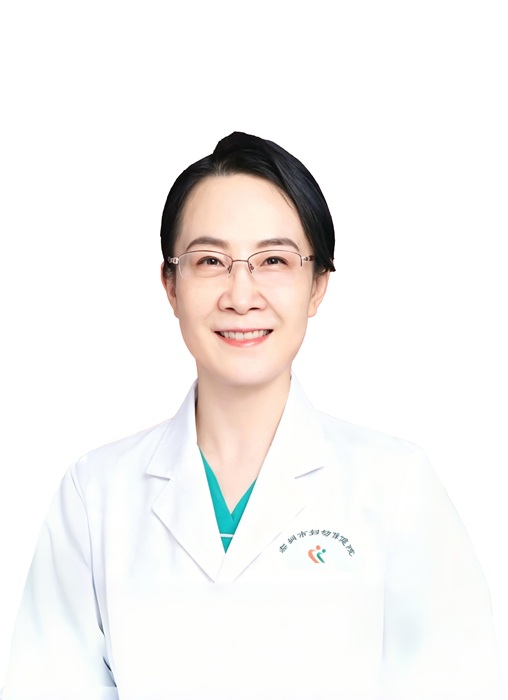
Professor Jin Ping
Shenzhen Maternity & Child Healthcare HospitalDirector of the Department of Gynecology, Director of the Women’s Health Division, MD, Second-Class Chief Physician, Doctoral/Postgraduate Supervisor Visiting Scholar at Beth Israel Deaconess Medical Center, Harvard Medical School, USACommittee Member, Fertility Preservation Branch, Chinese Preventive Medicine AssociationDeputy Director, Intrauterine Disease Prevention and Treatment Committee, China Maternal and Child Health AssociationVice Chairman, Obstetrics and Gynecology Branch, Guangdong Medical AssociationVice Chairman, Gynecologic Endoscopy Branch, Guangdong Medical Doctors AssociationStanding Committee Member, Gynecologic Oncology Branch, Guangdong Medical AssociationPresident, Shenzhen Obstetrician and Gynecologist AssociationVice Chairman, Obstetrics and Gynecology Branch, Shenzhen Medical Association, and other academic appointments Principal Investigator of over 30 research projects, author of more than 90 academic papersEditor-in-Chief and contributor to 3 obstetrics and gynecology monographs, holder of 4 patents Recipient of the Second Prize of Shandong Provincial Science and Technology Progress Award, Third Prize of Chinese Medical Science and Technology Award, and Outstanding Academic Achievement Award under the Shenzhen Overseas Talent Training Program
Editorial Board Member of Progress in Modern Obstetrics and Gynecology, Medical Reference News, Obstetrics, Gynecology and Genetics, among other journals