
Editor’s Note
The A Life Dedicated to Medicine column on the Chinese Journal of Obstetrics and Gynecology continues to interview senior industry practitioners, preserving the medical heritage through oral accounts. Recently, Professor Liu Yan from Huashan Hospital, Fudan University, was invited by the journal to conduct an exclusive interview with Professor Mao Jufang from Xinhua Hospital, Shanghai Jiao Tong University School of Medicine. The two generations of physicians specializing in gynecological minimally invasive surgery sat together, talking about their original aspiration to practice medicine in the early days of New China, the pioneering path of laparoscopy, the clashes between old and new medical models, and the philosophy of passing on medical knowledge to younger generations. A smile often crept across Professor Mao Jufang’s face as she recounted her decades-long medical career, her words embodying the rigor, sincerity and sense of responsibility etched into the bones of the older generation of obstetricians and gynecologists.
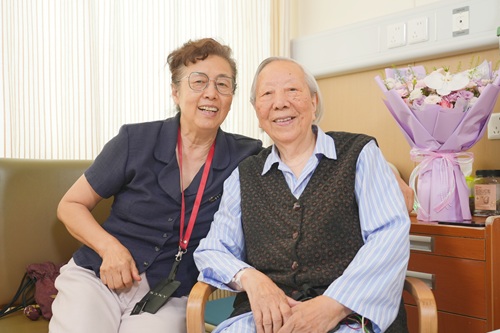
(Image: Left: Professor Liu Yan; Right: Professor Mao Jufang)
Answering the People’s Call, Devoting a Lifetime to Obstetrics and Gynecology Clinical Practice
Renowned senior obstetricians and gynecologists at the hospital including Professors Tian Xueping, Liu Lilin and Zhou Zhilong set a benchmark of rigorous medical practice for her. Her mentors repeatedly warned her: “A clinician’s permanent position is at the patient’s bedside.” Mao Jufang faithfully followed this teaching. She maintained close contact with patients and honed a pair of precise, reliable hands. Recalling those years, she said with pride, “Back then my hands were extremely sensitive, even more accurate than ultrasound.” Even with ultrasound reports on hand, she always insisted on manual physical examination to double-check before feeling assured.
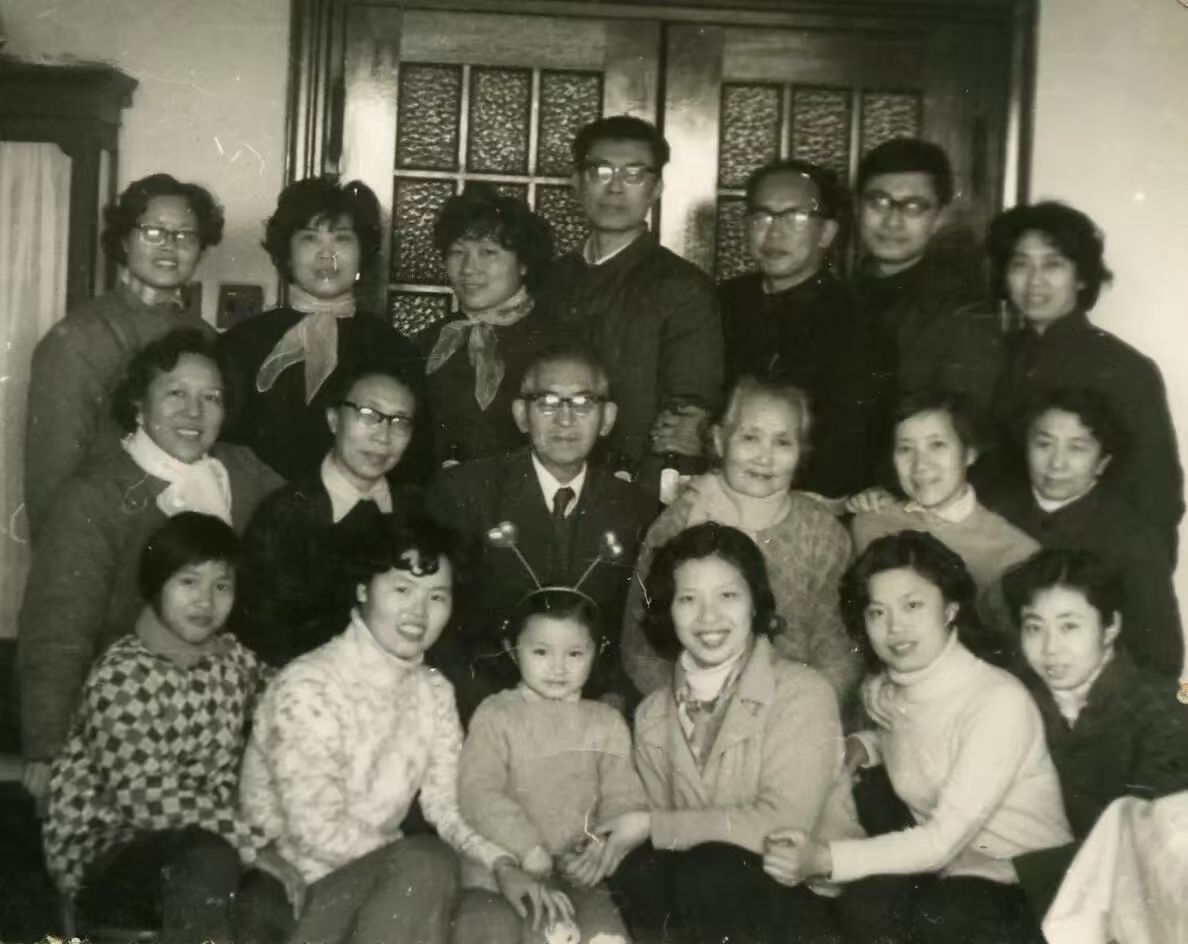
(Image: Group photo of obstetrics and gynecology experts; Fourth from left in the back row: Professor Zhou Zhilong; First from left in the middle row: Professor Mao Jufang, second: Professor Liu Lilin, third: Professor Tian Xueping)
To this day, Professor Mao Jufang has observed a prevailing trend of overreliance on lab test reports in modern clinical practice. Many physicians now rely solely on imaging results to assess lesions, often ignoring patients’ overall physical and mental conditions, while patient consultations and manual physical examinations are gradually neglected. In her view, advanced medical devices serve only as aids, and manual examination is a fundamental skill; the two should complement rather than overshadow one another.
As a female obstetrician and gynecologist burdened with high-intensity clinical work and family responsibilities, Professor Mao Jufang found a way to strike a balance. She admitted that both she and her husband were career-driven, making it easy to neglect household duties. Fortunately, she had solid family support: her mother-in-law took full charge of domestic affairs, and her husband coordinated his schedule with hers—he cared for their children and handled shopping in the morning, then devoted himself to his external work until late evening. Amid mutual understanding, support and tolerance, her family lived in harmony and was awarded Shanghai’s “Model Harmonious Family”. Thanks to this solid family backing, she always stepped forward without hesitation whenever the Party needed her: she went to rural areas to train worker-peasant-soldier medical students and rushed to grassroots frontlines.
Pioneering Laparoscopy with Courage, Selflessly Passing on Skills to Cultivate Young Talents
In the early days after laparoscopy was introduced to China, its clinical application was limited mainly to diagnosis. After Xinhua Hospital acquired relevant equipment, Professor Zhou Zhilong entrusted Mao Jufang with the task of developing laparoscopy, telling her: “If you advance laparoscopy, the achievement is yours; if you fail to develop it well, the fault lies with you.”
She noticed that Shanghai Red House Hospital (Obstetrics and Gynecology Hospital of Fudan University) and Shanghai Ninth People’s Hospital (affiliated to Shanghai Jiao Tong University School of Medicine) often hosted foreign experts for seminars on laparoscopic techniques. She never missed a single learning opportunity and took the initiative to attend all observation sessions. During this period, a visiting Dr. Zhang from another hospital came to Xinhua Hospital and explained core laparoscopic operational skills to her, advising her: “You must personally perform a hundred surgeries to build tactile experience and clinical judgment before you can mentor younger practitioners.”
After refining her skills through hundreds of laparoscopic surgeries, she fully mastered the core operating logic of this minimally invasive technique and accumulated invaluable clinical tactile experience. As laparoscopic surgery gradually gained popularity across hospitals in Shanghai, under the hospital’s leadership, her department launched Shanghai Municipal Laparoscopy Training Classes, and later national advanced training courses. Upholding Xinhua Hospital’s clinical tradition, the courses adopted the teaching model of “letting students operate while maintaining constant supervision”. She stood beside every trainee throughout their procedures, identifying incorrect movements and guiding their operations. At that time, laparoscopy was an emerging technology facing massive resistance to popularization. Many trainees returned to their home hospitals yet struggled to carry out laparoscopic surgeries. Entrusted by the hospital and invited by hospitals nationwide, Mao Jufang traveled across Shanghai and other provinces to help local medical institutions build laparoscopic diagnosis and treatment systems and promote minimally invasive surgery, making a vital contribution to the nationwide popularization of gynecological laparoscopy.
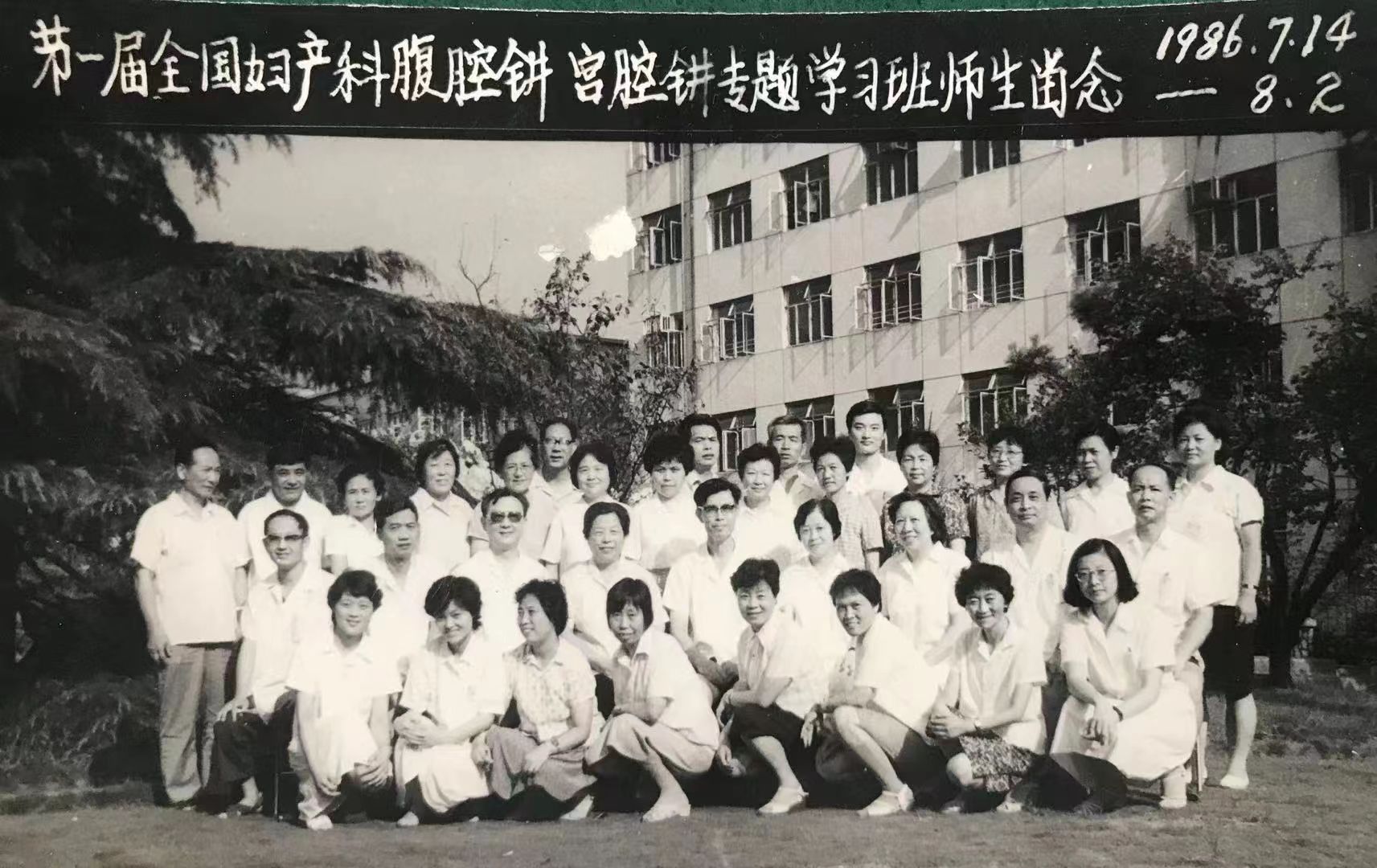
Among all visiting advanced trainees, Professor Liu Yan left the deepest impression on Mao Jufang: quick-witted, bold yet meticulous, and steadfastly diligent. Still, Liu Yan faced enormous obstacles when she tried to roll out the new technology after returning to her home hospital. Recalling the hardships of promoting laparoscopy in those years, Mao Jufang expressed deep gratitude for the full support from senior colleagues in the department, especially Professor Zhou Zhilong, one of the earliest experts to embrace and research this new technology. When Zhou learned that Liu Yan struggled to carry out laparoscopic surgeries at her hospital, he personally provided live commentary for Liu Yan’s laparoscopic surgical demonstration at the 1994 International Obstetrics and Gynecology Conference held in Guangdong. The unreserved support from senior experts brought tremendous encouragement to all young physicians dedicated to minimally invasive surgery.
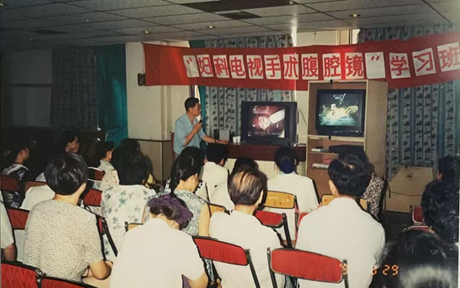
When it came to teaching and nurturing young physicians, Professor Mao Jufang maintained an open and generous mindset. The early teachings of Professor Tian Xueping always guided her: individual surgical excellence is not true achievement; real inheritance lies in the collective progress of the entire department and the whole industry. If her team’s skills surpass hers after her retirement, that would be her greatest accomplishment as a physician; a department without capable successors would be the biggest regret of her clinical and teaching career. This teaching philosophy broke the old mindset of “training apprentices means starving oneself”. She passed on all her laparoscopic expertise to younger generations without reservation. She also sent backbone physicians from her department overseas for further training in batches, upgrading the department’s original diagnostic laparoscopy capabilities. Today, all attending physicians and above in the department can proficiently perform all types of laparoscopic surgeries, cultivating a large number of gynecological minimally invasive specialists for Shanghai and the whole country. Professor Mao Jufang strived relentlessly throughout her life and devoted herself tirelessly to training young physicians. Her dedication to medical education and selfless mentorship earned her the Shanghai Municipal Education Award issued by the Shanghai Municipal Education Commission in 1999.
Upholding Time-Honored Medical Principles: Never Neglect Manual Skills, Never Break the Bottom Line of Honesty
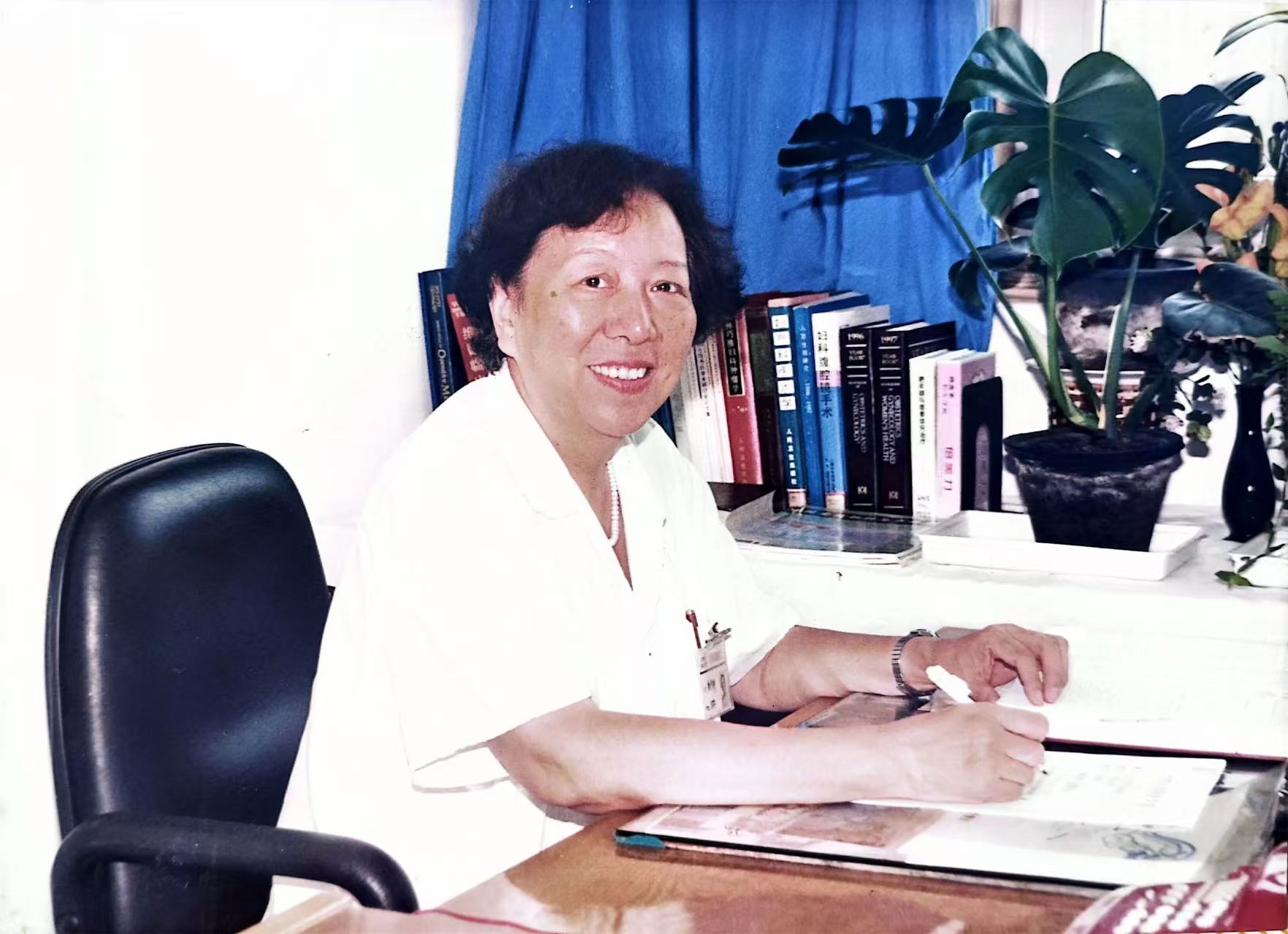
(Image: Portrait of Professor Mao Jufang, renowned obstetrician and gynecologist, former Director of the Third Women’s Family Planning Research Office of Shanghai Second Medical University, former Director of the Department of Obstetrics and Gynecology and Chair of the Obstetrics and Gynecology Teaching and Research Office at Xinhua Hospital)
When asked about the essential qualities of an outstanding obstetrician and gynecologist, Mao Jufang places “honesty” above all else. From the very start of her clinical career, Professor Tian Xueping set strict rules for her: all medical history records and surgical notes must be faithful to facts and objectively detailed. Critical details such as intraoperative blood loss and unexpected surgical complications must be recorded truthfully, never concealed to inflate one’s surgical prowess. Falsified records will not only disrupt subsequent treatment plans for patients but also mislead attending medical staff in judging their conditions, posing major risks to medical safety.
Beyond honesty comes meticulous diligence. As a young resident, Mao Jufang paid close attention to every detail, carefully documenting the full preoperative preparation procedures of senior physicians. When performing similar surgeries later, she would fully prepare all surgical instruments and supplies in advance. Her steadfast, diligent attitude earned the trust of senior mentors, who entrusted her with many high-difficulty surgical procedures early in her career. In her opinion, there are no shortcuts for young physicians to grow professionally. Only by rooting themselves firmly in ward work, staying close to patients, and observing clinical details meticulously can they build solid clinical foundations and advance their surgical skills rapidly.
Conclusion
Professor Mao Jufang’s medical career epitomizes the first generation of obstetricians and gynecologists of New China: guided by the Party’s needs as her original aspiration, stationed at patients’ bedsides as her clinical frontline, dedicated to selflessly passing on surgical skills as her lifelong mission, and anchored by honesty and rigor as her core bottom line. Amid increasingly sophisticated medical equipment and growing emphasis on scientific research, she repeatedly reminds younger practitioners: machines are merely tools, physicians’ hands are the foundation, and patients are our original mission. The clinical craftsmanship and mentorship ethos forged by senior physicians of past generations shine as an enduring light illuminating the path forward for contemporary obstetrics and gynecology, even after decades.