Case History Summary
A 41-year-old female patient from Baoding City, Hebei Province, was admitted to hospital with a 4-year history of progressively aggravated dysmenorrhea and excessive menstrual bleeding.
The patient had regular menstrual cycles before illness, with a cycle length of 25–26 days and a 5-day duration. Her last menstrual period was January 9, 2026. Four years ago, she developed lower abdominal pain during menstruation and took ibuprofen for pain relief, which gradually lost efficacy. She subsequently received acupuncture and traditional Chinese medicine treatment at a local clinic with no obvious improvement. On December 26, 2023, she visited another hospital due to severe dysmenorrhea. Transvaginal ultrasound revealed an enlarged spherical uterus measuring approximately 7.9 cm × 7.8 cm × 6 cm, with thickened and heterogeneous myometrial echoes scattered with multiple small anechoic areas predominantly on the posterior uterine wall. A poorly circumscribed tumor-like lesion about 3.6 cm × 3.5 cm × 2.9 cm was identified with radial acoustic shadows; CDFI showed increased blood flow signals within this lesion. The endometrium was 0.8 cm thick, and a Mirena intrauterine system (IUS) was placed in the uterine cavity for treatment.
In August 2024, the patient presented to Baoding Maternal and Child Health Hospital with amenorrhea. Ultrasonography showed an endometrial thickness of 11 mm, and the Mirena IUS was not visualized. Considering the excessively enlarged uterine cavity, the hospital recommended diagnostic curettage followed by GnRH-a therapy. She discontinued the three-injection GnRH-a course due to severe menopausal symptoms, and a Mirena IUS was reinserted into the uterine cavity. However, follow-up ultrasound half a year later failed to detect the device again. The patient returned to our outpatient department with recurrent dysmenorrhea and menorrhagia. Hysteroscopic suture fixation of Mirena IUS was proposed, and she was admitted for hospitalization accordingly.
Past medical history: Unremarkable.
Obstetric and gynecologic history:Gravida 2, Para 2, Abortus 2. She delivered two full-term infants via cesarean section in 2010 and 2021 respectively, both babies were healthy, with no history of postpartum hemorrhage or puerperal infection. She had one medical abortion and one induced abortion at 3 months of gestation. Admission Physical Examination
Temperature: 36.5°C, Pulse: 76 beats per minute, Respiration: 18 breaths per minute, Blood pressure: 145/84 mmHg. Cardiopulmonary auscultation showed no abnormalities. The abdomen was flat with old surgical scars in the lower quadrant; no gastrointestinal peristaltic waves or distension were observed. The abdomen was soft without tenderness, rebound tenderness or muscular guarding. Shifting dullness was absent on percussion, and bowel sounds were normal.
Vaginal examination: Normal vulva, patent vagina with bright red blood stains. The cervix was normal in size and smooth. The uterus was retroverted, enlarged to the size of a 2-month gestation, firm, mobile and nontender. No obvious masses were palpated in bilateral adnexal areas.
Auxiliary Examinations
Ultrasound (January 13, 2026, our hospital): The uterus was retroverted with dimensions of 89 mm × 78 mm × 70 mm. The myometrium displayed thickened, enhanced and heterogeneous echoes, predominantly on the posterior wall. Uterine cavity separation measured approximately 2.7 mm, with unilateral endometrial thickness of 1.8 mm. Left ovary: 28 mm × 19 mm; Right ovary: 33 mm × 18 mm. Diagnosis: Adenomyosis with uterine cavity separation.
Surgical Procedure
After completing preoperative laboratory tests to exclude surgical contraindications, the patient underwent hysteroscopy + diagnostic curettage + suture fixation of Mirena IUS under general anesthesia on January 15, 2026. The operation proceeded smoothly. The patient recovered well postoperatively and was discharged on January 17, 2026.
Surgeon Profile
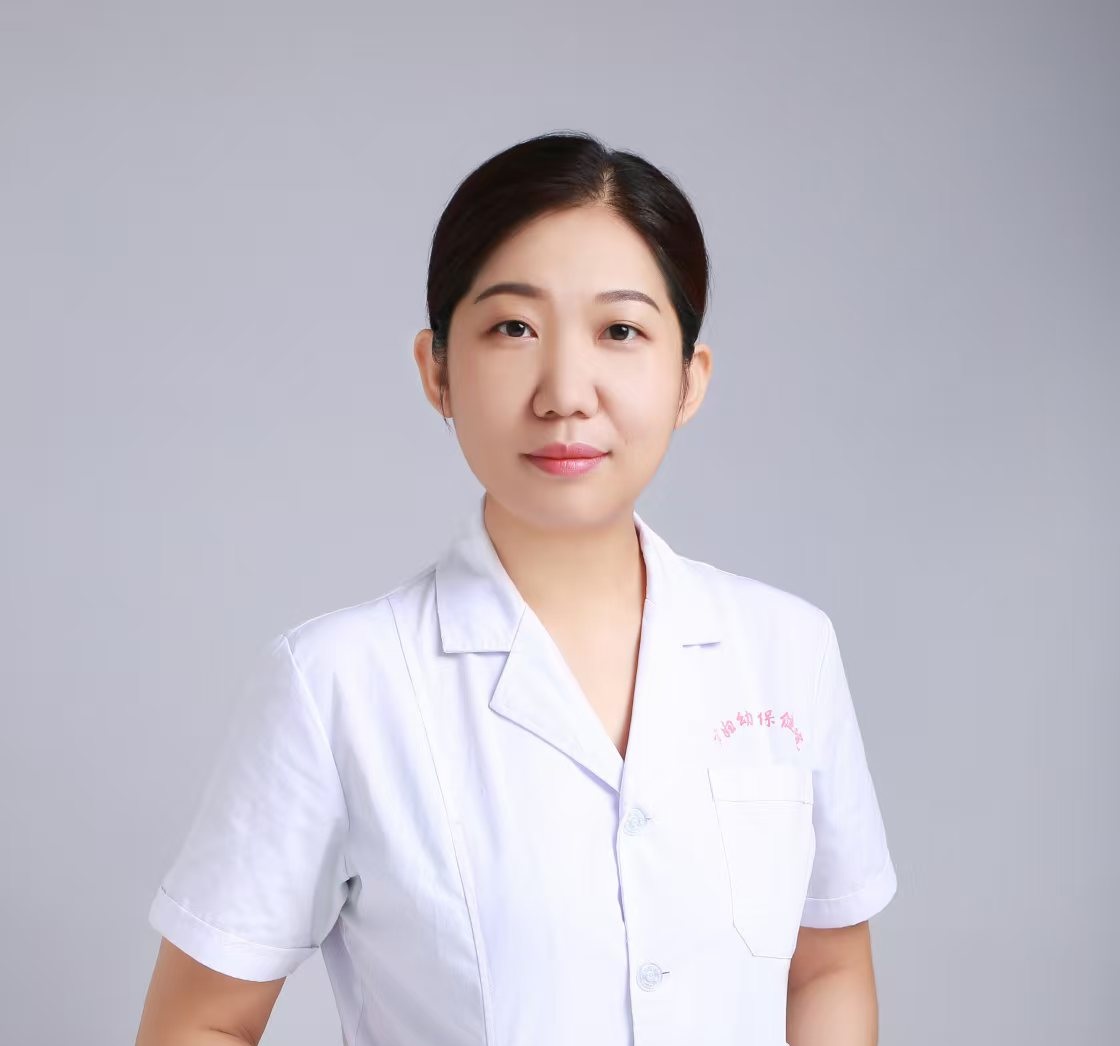
Yang NaChief Physician, Director of the First Gynecology Ward, Baoding Maternal and Child Health HospitalGraduated from the former Fourth Military Medical University of the Chinese People's Liberation Army. Professional Social Appointments
- Committee Member, Gynecology Branch of World Endoscopic Physicians Association
- Committee Member, Minimally Invasive Gynecology Special Committee, Hebei Maternal and Child Health Association
- Committee Member, Hebei Gynecologic Oncology Association
- Committee Member, Reproductive Surgery Special Committee, Hebei Maternal and Child Health Association
- Committee Member, Cell Application and Transformation Professional Committee, Hebei Pharmaceutical Association
Scientific Research & Publications
She has presided over 7 scientific research projects, winning 3 First Prizes, 2 Second Prizes and 2 Third Prizes of Baoding Science and Technology Progress Award. She has published 10 core journal papers and contributed to 2 monographs.
Clinical Specialties
Minimally invasive surgical treatment for uterine fibroids, adenomyosis, ovarian masses, pre-pregnancy cervical cerclage, tuboplasty, endometriosis, and pelvic masses complicating pregnancy. She is highly proficient in single-port laparoscopic surgery to realize minimally invasive therapy.She performs minimally invasive surgeries for uterine prolapse requiring uterine preservation, vaginal wall bulging, old perineal lacerations, vaginal rejuvenation, labial malformations and hymenal abnormalities.She pioneered hysteroscopic suture fixation of Mirena IUS for adenomyosis, and specializes in hysteroscopic management of uterine fibroids, endometrial polyps, intrauterine adhesions, retained/embedded intrauterine foreign bodies, combined hysterolaparoscopic treatment for infertility, female genital tract malformations (e.g., uterine septum), intraoperative cervical cerclage, cervical lesions and gynecologic oncologic surgery.
Editor-in-Charge: QinghuanReviewer: Ma Ye