
In this issue of "Director's Appointment," the Obstetrics and Gynecology Network invited Director Li Changzhong from the Obstetrics and Gynecology Center of Peking University Shenzhen Hospital to focus on the theme of "Specialized Management in Obstetrics and Gynecology," deeply analyzing the development path of ensuring survival through flexible resource allocation, strengthening disciplines through subspecialty talent pipelines, and expanding boundaries through fertility protection and multidisciplinary management.
Currently, China's birth rate continues to decline, and the real pressure of vacancies and shrinking business in obstetrics and gynecology—especially obstetrics clinical slots—has led some hospitals to close their obstetrics. Meanwhile, female patients' expectations for quality of life and fertility preservation have significantly increased, and the conflict between "saving lives" and "preserving childbirth" for diseases such as malignant tumors and internal abnormalities is becoming increasingly prominent. How to complete disciplinary transformation during a period of resource contraction, how to preserve hope for fertility without compromising oncology safety, and how to truly implement long-term chronic disease management to serve health throughout the entire lifecycle—these have become questions every obstetrics and gynecology manager must answer. As a regional medical center, Peking University Shenzhen Hospital's response strategies—from flexible allocation of obstetrics and gynecology beds, development of specialized service projects, multidisciplinary green channels for fertility protection, and the deployment of new subspecialties such as geriatric gynecology and adolescent gynecology—provide a rare practical example. Professor Li Changzhong's concepts such as "clenching fists for joint development" and "addressing shortcomings to enhance competitiveness" are valuable references for peers.
Professor Li Changzhong admitted: The decline in fertility rates is an irreversible trend. Shenzhen's birth rate has dropped by about 10%, and in recent years, hospitals have been strengthening their obstetric departments. The core of obstetrics development is to strengthen maternal health services and to commit to systematic management of women's health throughout the entire life cycle. The entire life cycle covers all stages before pregnancy, before birth, and after childbirth. By providing comprehensive, integrated healthcare services, we aim to enhance service stickiness and patient trust, thereby guiding more pregnant women to hospitals for standardized healthcare services. In terms of internal resource allocation, the hospital has added multiple specialized obstetric services, including childbirth companionship and the promotion of family-style wards, to improve the medical environment and experience for pregnant and postpartum women. In terms of personnel structure, the hospital has strengthened its obstetrics team by rotating mid- and junior-experienced physicians within the department. This helps improve their multifaceted skills and supports the cultivation of obstetrics talent. At the same time, the hospital adjusted the scope of treatment for certain diseases. For example, for patients between 12 and 20 weeks of pregnancy, where maternity beds were previously difficult to admit due to shortage of beds, patients needing pregnancy maintenance treatment or cervical dysfunction can now be transferred to obstetrics to maximize the use of obstetric beds. In situations where bed resources are tight, flexible allocation between gynecology and obstetrics is also carried out to ensure that pregnant women can receive timely diagnosis and treatment. In terms of disciplinary development, obstetrics and gynecology can be divided into three main subspecialties: gynecology, obstetrics, and reproductive medicine, covering several specialized directions, with all fields advancing in coordination. Take obstetrics as an example: prenatal diagnosis and treatment of critically ill pregnant women all need continuous strengthening. In general hospitals, the treatment of critically ill pregnant women is an important part of clinical work. Although the main business of normal delivery is a specialized maternal and child health hospital, although the volume of deliveries is large, if pregnant women also have medical, surgical, or neurological diseases, they must fully leverage the multidisciplinary collaborative advantages of general hospitals to coordinate resources across disciplines within the hospital. From fertility protection to reproductive medicine, and then to gynecology and obstetrics, an integrated resource integration mechanism should be established. In terms of discipline development strategy, only by concentrating efforts and forming synergy can the discipline grow and strengthen, thereby ensuring its fundamental survival and sustainable development. To achieve the goal of "strengthening disciplines," each subspecialty requires a team of experts with specialized expertise, covering areas such as prenatal diagnosis, gynecological tumors, fertility protection, endometriosis, assisted reproductive technology, and critical care for pregnant women. Hospitals should have experts with outstanding academic achievements in all key areas to ensure that there are no significant shortcomings in the development of the discipline. Addressing shortcomings and enhancing core competitiveness is the only way from "ensuring survival" to "strengthening disciplines." In the interview, Director Li Changzhong mentioned that as the childbearing age is delayed, more and more women are developing certain diseases before giving birth, such as endometriosis, adenomyosis, uterine fibroids, and malignant tumors. Many women face the challenge of balancing life, organ preservation, and fertility. Director Li believes that it is entirely possible to achieve both fertility and treatment outcomes for most patients through technical means. This requires hospitals to promptly take fertility protection measures based on patients' needs during diagnosis. Decision-making boundaries between young patients' disease treatment and fertility preservation Malignant tumors require radiotherapy or chemotherapy. Before chemotherapy or radiotherapy, it is best to freeze the embryo, followed by egg freezing, or ovarian tissue. This way, fertility can be preserved without affecting the treatment effectiveness. For diseases like adenomyosis and uterine fibroids, medication can be used to control the disease and prevent it from progressing to the point of affecting fertility. If endometriosis or cyst recurrence leads to ovarian function decline but there are no plans to have children for now, the health authorities and hospitals can conduct ethical approval to freeze the eggs to preserve fertility for this group. Over time, the fertility of endometriosis patients can be affected, and repeat surgeries can also lead to decreased fertility. These measures aim to enable more women to have fertility needs and the ability to have children, or to freeze eggs or embryos, avoiding disruptions to their fertility plans. In tumor treatment, efforts should be made to achieve the goal of "having the best of both worlds," meaning that comprehensive, timely, and sufficient tumor treatment should be completed while effectively protecting patients' fertility. This relies on the construction of fertility protection centers. The center's construction involves not only the internal departments of obstetrics and gynecology, but also integrates multiple disciplines, including gynecology, obstetrics, reproductive medicine, oncology, breast surgery, gastrointestinal surgery, hepatobiliary surgery, and radiation therapy. Hospitals should organize relevant disciplines to jointly establish specialized disease centers and establish a green channel mechanism within the center, including patient referrals, so that patients can receive timely fertility protection measures and minimize the impact on treatment progress. This green channel provides an efficient and convenient path for fertility protection, facilitating the smooth progress of subsequent work. Long-term chronic disease management tests the hospital's ability to manage everything from start to finish. Director Li mentioned that shifting from "disease-centered" to "whole-life-life-centered health" is the main medical work already underway in the future or now. This is reflected in two aspects: From birth to menopause, women's fertility gradually declines. After entering sexual maturity, systematic health education should be carried out. For example, assessing whether a 13-year-old should receive the relevant vaccine; During puberty, attention should be paid to whether menstruation is regular and whether related diseases such as polycystic ovary syndrome or endometriosis are present. Once these issues are detected, timely intervention is needed to avoid metabolic disorders that may cause fertility difficulties or even diseases such as endometrial cancer. For endometriosis, long-term management should be implemented, with the fundamental goal of slowing disease progression. During management, a multidisciplinary collaborative team should be formed, covering endocrinology, weight management, nutrition, psychology, cardiology, and more. We should strive to promote patients to become healthcare or health management targets, which is an important shift from disease treatment to health management. While protecting fertility, the diagnosis and treatment of malignant tumors must also prevent psychological, endocrine, nutritional, and metabolic issues, which also falls under the scope of multidisciplinary management. General hospitals have significant advantages in this regard. There was once a news story about a cardiologist at a major hospital performing lumbar spine surgery, and after the operation, pulmonary embolism occurred and the patient died despite rescue efforts. Thus, multidisciplinary management should not only focus on disease treatment but also emphasize disease prevention, reducing the occurrence of avoidable diseases and complications from multiple dimensions. This shift marks a shift from simple disease management to full-lifecycle health management. The current trend of declining birth rates has led to oversupply of beds and resources in obstetrics, with many hospital wards facing closure and transfer. Regarding this practical issue, as the department leader, Director Li summarized the hospital's overall adjustment approach to team building: Increase business investment Declining fertility has become a widespread trend, and fertility protection is gradually becoming an important part of hospital operations. Against this backdrop, fertility protection should be further incorporated into the integrated management systems of gynecology, obstetrics, and reproductive medicine. Fertility protection work accounts for about 30% of the workload in overseas reproductive medicine centers, whereas in China, this proportion is less than 10%, which is generally low. Therefore, it is necessary to increase investment and publicity in this field, and to advance related technologies, including in vitro culture of immature eggs, optimization of ovarian tissue freezing conditions, egg freezing, and the application of prenatal and preimplantation diagnostics. At the same time, the prevention and control of various genetic diseases should continue to be refined and improved. Cultivating young talent Hospitals should focus on systematic training of young talent, supporting more young physicians to pursue specialized studies at top domestic and international hospitals to master cutting-edge diagnostic and treatment technologies. At the overall level of discipline development, the innovative thinking of young talents and experts should be continuously expanded, providing them with richer learning and growth opportunities. Integration of specialist strengths Specialty forces should be systematically integrated to fully leverage the unique advantages of each subspecialty. Take geriatrics as an example: as average life expectancy increases, the incidence of geriatric and degenerative diseases continues to rise, and related fields urgently need more work. Adolescent gynecology is also a distinctive direction. Previously, gynecological diagnosis and treatment mainly focused on childbearing age and perimenopausal diseases, but currently, the development direction of adolescent gynecology and geriatric gynecology should be highly valued. Each subspecialty requires more professionals to explore and tackle these challenges in depth. Surgical methods are innovating Surgical methods have evolved from open surgery to laparoscopy, then to robots and single-port methods, gradually reducing trauma. Hospitals must evolve from treating diseases to health management, from major trauma to minimally invasive to non-invasive, continuously innovating treatment methods. This interview focused on four key management pain points: "Disciplinary Upgrading Amid Declining Birth Rates," "How to Resolve the Conflict Between 'Saving Lives' and 'Protecting Births' for Young Patients," "How to Reshape the MDT Architecture for Full Lifecycle Health Management," and "How to Deploy Talent Pipelines During the Transition Period." These questions directly address the core anxieties of current obstetrics and gynecology managers. At the end of the interview, Director Li concluded: Only through continuous technological improvement, continuous human resource progress, and continuous talent cultivation can our discipline have a future and hope, and achieve better development. Doctor of Medicine, Chief Physician, Director of the Obstetrics and Gynecology Center at Peking University Shenzhen Hospital, and Director of the Obstetrics and Gynecology Teaching and Research Office Has served as a senior visiting scholar at Mayo Clinic, Johns Hopkins Hospital, and M.D. Anderson Cancer Center in the United States Chairman of the Fertility Protection Professional Committee of the Chinese Anti-Cancer Association Deputy Director of the Fertility Protection Branch of the Chinese Preventive Medicine Association Vice President of the Gynecological Intelligent Diagnosis and Treatment Branch of the National Health Industry Enterprise Management Association Deputy Director of the Obstetrics and Gynecology Professional Committee of the China Association for Healthy Childbirth and Childbirth Deputy Director of the Obstetrics and Gynecology Branch of the Chinese Society of Sexology Council member of the Chinese Anti-Cancer Association Standing Committee Member of the Cervical Cancer Professional Committee of the Chinese Anti-Cancer Association Vice President of the Obstetrics and Gynecology Branch of the Guangdong Health Economics Society Deputy Head of the Gynecology Group, Robotics Branch of the Guangdong Medical Association Former Chairman of the Gynecology Minimally Invasive Physicians Branch of the Shandong Medical Doctor Association Director of the Shenzhen Gynecology Clinical Quality Control Center Chair-elect of the Obstetrics and Gynecology Professional Committee of the Shenzhen Medical Association Chair of the Shenzhen Colposcopy and Cervical Pathology Branch, among other roles Professor and doctoral supervisor at Peking University, has trained 64 master's students, 21 doctoral students, and 2 postdoctoral graduates to date. Engaged in obstetrics and gynecology for 30 years, skilled in diagnosing and treating various benign and malignant gynecological tumors, cervical lesions, endometriosis, and other diseases. Proficient in open surgery, laparoscopic minimally invasive surgery, transvaginal surgery, cervical LEEP surgery, and other surgical categories, especially adept at laparoscopic minimally invasive surgeries and cervical lesions. Has significant influence in the prevention and treatment of gynecological tumors, especially comprehensive prevention and treatment of cervical precancerous lesions. Has published over 60 papers in core journals, with over 40 indexed by SCI.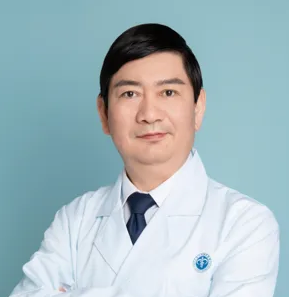
Editor:lucy