
"Great Physicians, Supreme Goodness · The 5th Greater Bay Area China-Foreign Ovarian Cancer Academic Conference" lasted for three days, bringing together top experts and scholars in the field of gynecologic oncology and ovarian cancer from both domestic and international communities. Focusing on the core difficulties and international frontier progress of the full-cycle diagnosis and treatment of ovarian cancer, the conference conducted comprehensive, multi-dimensional, and in-depth academic sharing and discussions. Through live surgical broadcasts, academic lectures, and hot topic discussions, the event facilitated a deep collision of technology and concepts, presenting an intellectual feast that combines clinical value with forward-looking vision.
During the conference, Obgy had the honor of inviting Professor He Shanyang, the Conference Chairman and a professor at Guangdong Provincial People's Hospital, to share highlights of the conference and key issues in the field of ovarian cancer.
Obgy: As the Chairman of the "Great Physicians, Supreme Goodness · The 5th Greater Bay Area China-Foreign Ovarian Cancer Academic Conference," could you please discuss the new highlights and features regarding the special topics, guest lineup, and conference format of this year’s meeting?
Professor He Shanyang:
Day 1: Live Surgery – Tackling Difficulties and Technical Demonstration
The first day focused on high-difficulty live surgical demonstrations, aiming to showcase standardized and precise surgical techniques through practical application.
Standardized Total Staging Surgery for Endometrial Cancer: For endometrial cancer, we demonstrated extrafascial total hysterectomy combined with high para-aortic lymphadenectomy. Addressing the traditional difficulty of renal vein level lymph node dissection, our team utilized a modified "one-stop" approach to efficiently complete this challenging procedure within 3 hours. This achieved systematic dissection from the pelvis to the renal vein level, providing a solid guarantee for the prognosis of high-risk patients.
Intermediate-Type Ovarian Cancer Cytoreductive Surgery: For a stage IV ovarian cancer patient, the surgical team performed a rectum-sparing cytoreductive surgery. The difficulties lay in the extreme resection of the omentum (resected to the short gastric arteries and splenic hilum) and the precise stripping of lesions invading the rectal serosa. Ultimately, successful R0 resection was achieved, maximizing organ function preservation while eradicating the tumor.
Day 2: Academic Exchange – Sino-Foreign Dialogue and Frontier Leadership
The second day gathered numerous luminaries, including domestic leaders such as Professors Wu Xiaohua, Wu Ming, and Lin Zhongqiu, alongside internationally renowned experts Professor Dennis S. Chi and Professor Mansoor Raza Mirza. It was a star-studded session where domestic and international experts discussed the future of ovarian cancer diagnosis and treatment.
International Vision: Professor Dennis S. Chi demonstrated and lectured on left upper quadrant R0 resection (extending last year's experience with right upper quadrant R0 resection), covering mediastinal and cardiophrenic angle lymph node dissection. His modified techniques once again led the pursuit of extremity in gynecologic oncology surgery, proving the survival benefits of extreme R0 resection for patients. Professor Mansoor Raza Mirza (Denmark) shared international frontier maintenance therapy strategies targeting HRP-negative advanced ovarian cancer, a difficult-to-treat group.
Domestic Highlights: Top domestic experts like Professors Wu Xiaohua, Wu Ming, and Lin Zhongqiu conducted deep reviews of clinical experience based on real cases. To assist clinical doctors in research growth, Professor Wei Xiaolin from the University of Toronto and Professor Pan Chaoyun from Sun Yat-sen University were specially invited to guide clinicians on how to mine data from a basic research perspective, providing systematic experience transfer through a "clinical-research" two-way channel.
Day 3: Skill Refinement – Deepening Details and Standardizing Downstream Practice
The final day focused on the detailed breakdown of surgical skills and the popularization of standardized treatment.
Technical Breakthroughs: The session systematically explained R0 resection techniques for various ovarian cancer sites, including thorough removal of small intestine, colon, and pelvic lesions, while deeply analyzing prevention and control strategies for complications of high para-aortic lymphadenectomy.
Concept Dissemination: The conference not only focused on breakthroughs in top-tier technology but also committed to promoting standardized diagnosis and treatment in primary hospitals. "Initial treatment" is the key to determining the prognosis of ovarian cancer patients. Through this China-foreign academic forum, experts and primary doctors gathered to provide clear treatment guidelines—"knowing what can and cannot be done"—to formulate the safest and most suitable individualized plans for patients.
This conference was not only a contest of technology but also a practice of medical humanities. Through standardized and precise diagnosis and treatment, we aim for patients to achieve a balance between longer survival and higher quality of life; simultaneously reducing medical risks, ensuring medical safety, and minimizing disputes, ultimately achieving a win-win for doctors and patients.
Obgy: Elderly ovarian cancer patients often differ significantly from younger patients. Regarding surgical decision-making and postoperative complication prevention, what are the differences in diagnostic thinking and management priorities compared to younger patients?
Professor He Shanyang:
We specifically set up a session on elderly ovarian cancer at this conference. Unlike cervical cancer and endometrial cancer, the pathogenesis of ovarian cancer shows that over 60% of patients are diagnosed at age 65 or older. With the extension of human lifespan, patients aged 80, 85, or even 90 are not uncommon in clinical practice. Facing this special group, how to balance the benefits and risks of treatment is a huge challenge in our daily work.
Severe Status Quo: Age as an Independent Poor Prognostic Factor
The overall 5-year survival rate for ovarian cancer is about 40%, but age significantly affects prognosis:
Young patients (<65 years old): ~43%
Patients >70 years old: ~20%
Patients >80 years old: ~10%
The prognosis for elderly ovarian cancer patients is significantly worse than for younger patients. However, clinically, a conservative attitude is often adopted due to concerns about tolerance, leading to elderly patients frequently not receiving standard treatment. How to provide appropriate treatment to extend their lives and improve quality of life is a major challenge.
Core Strategy: Stratified Assessment and Individualized Treatment
For elderly patients, we advocate adopting a strategy of "comprehensive assessment, stratified management, and active intervention."
Primary Goal: R0 Resection Surgery + Perioperative Management
For patients assessed by the MTD (Multidisciplinary Team) as physically fit, R0 resection remains the key to improving prognosis.
Surgical Methods: Include Primary Debulking Surgery (PDS) or Interval Cytoreductive Surgery after neoadjuvant chemotherapy.
Precautions: Emphasis should be placed on Enhanced Recovery After Surgery (ERAS) concepts during the operation to ensure safe and efficient completion, creating conditions for adjuvant therapy.
Postoperative Adjuvant Therapy: Standard Chemotherapy as the Basis
Standardized adjuvant chemotherapy should begin as soon as possible postoperatively.
Preferred Regimen: The "three-week regimen." Current evidence-based medicine supports its use in older patients with good performance status.
Dose Adjustment: While European and American guidelines may suggest dose reduction or weekly regimens, in Asian populations, if the patient's constitution permits, a full-dose standard regimen should be considered; if frail, adjustments must be weighed carefully.
Maintenance Therapy: An Important Line of Defense for Improving Quality of Survival
Regardless of age, maintenance therapy is crucial for delaying recurrence.
Applicable Population: Especially for BRCA mutation or HRD-positive patients, PARP inhibitors (e.g., Niraparib, Anlotinib) show equivalent efficacy in maintenance therapy for elderly and young patients.
Drug Selection: Niraparib, Anlotinib, and combination therapy with Bevacizumab are all important options.
Non-Surgical Treatment Path: For Intolerant Populations
For patients who cannot tolerate surgery or traditional chemotherapy due to advanced age or multiple comorbidities, a de-escalation/chemotherapy-free strategy should be adopted: direct use of targeted drugs (e.g., PARP inhibitors, anti-angiogenic drug Bevacizumab) or endocrine therapy. The aim is to control disease progression and significantly improve the patient's Progression-Free Survival (PFS) and quality of life.
Treatment for elderly ovarian cancer is never a "one-size-fits-all" approach based on age; it is a systematic assessment project.
The core principle is: Do not give up because of old age, but make decisions based on assessment.
Through professional MDT team assessments, we screen patients who can benefit from surgery and chemotherapy to receive standardized "Surgery + Chemotherapy + Maintenance Therapy" whole-process management; for frail patients, appropriate targeted therapies are used. Only in this way can we truly extend the lives of elderly ovarian cancer patients and ensure their quality of life in later years.
Obgy: Regarding the "One-Stop High Para-Aortic Lymph Node Dissection," could Professor He explain its core concept and key operative steps? Compared to traditional stepwise surgery, what are its advantages in terms of surgical indications, perioperative risks, and long-term prognosis?
Professor He Shanyang:
High para-aortic lymphadenectomy is a key step in the comprehensive staging surgery for gynecologic malignancies (such as ovarian cancer) and a standardized procedure that gynecologic oncologists must master. With the development of minimally invasive technology, especially the application of Da Vinci robots and laparoscopy, new requirements have been placed on surgeons engaged in gynecologic oncology.
Previously, laparoscopic surgery often used a "position-changing method": first taking a Trendelenburg position (head down, feet up) to manage the pelvis, then switching to a reverse Trendelenburg position (head up, feet down) to manage high lymph nodes. During this process, adjusting the patient's position, re-disinfecting, draping, and changing equipment positions often took as long as 30 minutes, which not only prolonged anesthesia time but also increased surgical risk.
Addressing this pain point, our team, through over ten years of clinical exploration, innovatively proposed an efficient, safe, and reproducible "One-Stop High Para-Aortic Lymph Node Dissection."
The core modifications of this technique lie in two points:
1. Surgical Position: Maintain the "Trendelenburg position" (head low, feet high) throughout the entire procedure.
2. Surgeon's Position: The surgeon stands on the patient's left side throughout the operation.
In this position, without moving the operating table or changing the video port positions, the procedure seamlessly completes total hysterectomy + bilateral adnexectomy, pelvic lymphadenectomy, and high para-aortic lymphadenectomy in one go. Practice has proven that this technique shortens the average surgical time to under 3 hours (some cases require only 2.5 hours), significantly reducing intraoperative blood loss and anesthesia duration. Patients recover extremely quickly postoperatively, with most able to ambulate and pass gas the next day. This not only improves surgical efficiency but also ensures the safety and feasibility of the operation.
Conclusion
As Professor He Shanyang stated, the progress of medicine lies not only in the peak pursuit of technology but also in the warm guardianship of every patient. The road is long and arduous, but action leads to arrival. As ovarian cancer diagnosis and treatment move toward precision and individualization today, only by continuously breaking technical barriers and updating treatment concepts can we practically hold up a clear sky for women's health.
Expert Profile
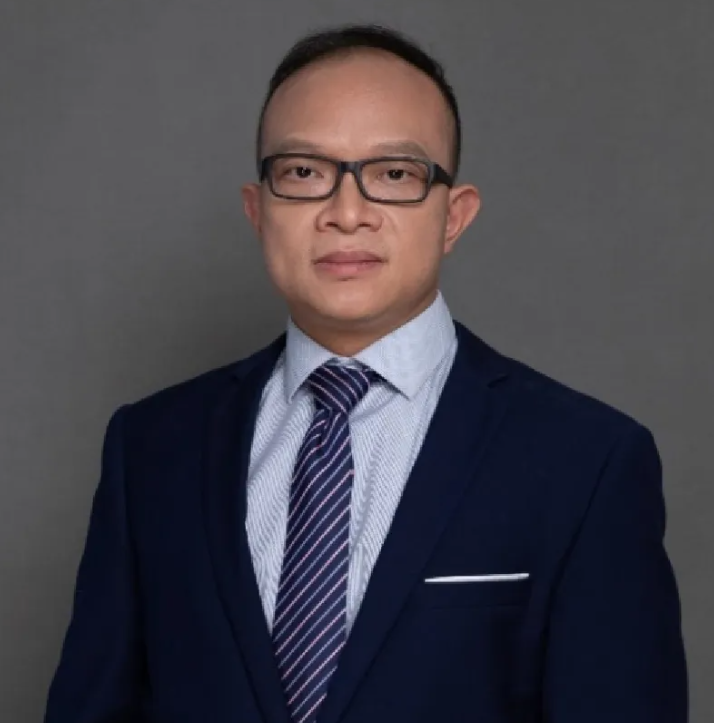
Image: Professor He Shanyang
Guangdong Provincial People's Hospital
Director of Obstetrics and Gynecology & Department of Gynecology, Chief Physician, Ph.D., Doctoral Supervisor, Professor
Member, Chinese Medical Doctor Association (CMDA) Obstetrics and Gynecology Branch
Standing Committee Member, Cervical Cancer Professional Committee, China Anti-Cancer Association
Chairman, Gynecological Committee, Guangdong Primary Medicine and Pharmacy Society
Chairman, Gynecological Oncology Society, Guangdong Medical Doctor Association
Chairman, Precision Medicine Society of Gynecology, Guangdong Province
Vice Chairman, Obstetrics and Gynecology Branch, Guangdong Medical Association
Vice Chairman, Obstetrics and Gynecology Branch, Guangdong Medical Doctor Association
Vice Chairman, Obstetrics and Gynecology Branch, Guangdong Hospital Association
Vice Chairman, Fertility Protection Society, Guangdong Province
Vice Chairman, Cervical Cancer Prevention, Guangdong Preventive Medicine Association
Guangdong Outstanding Young Medical Talent / Visiting Scholar at the University of Chicago
Third "Yangcheng Good Doctor" / Lingnan Famous Doctor
Editor: Ma Ye