

The "Grand Medical Benevolence · The 5th Greater Bay Area China-Foreign Ovarian Cancer Academic Conference" spanned three days, convening top experts and scholars in the fields of gynecological oncology and ovarian cancer from domestic and international institutions. Focusing on core challenges and international frontier advancements in the full-cycle diagnosis and treatment of ovarian cancer, the conference facilitated comprehensive, multi-dimensional, and in-depth academic sharing and discussions through live surgery broadcasts, academic lectures, and panel discussions. This event sparked a deep collision of techniques and concepts, delivering an intellectual feast that balances clinical value with forward-looking vision for the industry.
During the conference, Obstetrics & Gynecology Networkhad the honor of inviting Prof. Wu Xiaohua from Fudan University Shanghai Cancer Center to share expert insights on topics related to "surgical techniques for pelvic En bloc resection with or without bowel preservation."
Obstetrics & Gynecology Network: Lesions of ovarian cancer invade the bowel via diverse patterns. How does one differentiate between involvement limited to the mesentery or serosa versus penetration through all layers of the intestinal wall? What are the primary criteria for determining the feasibility of "bowel preservation"?
Prof. Wu Xiaohua: First and foremost, we rely on modern preoperative diagnostic and assessment modalities. For instance, Magnetic Resonance Imaging (MRI) is utilized to evaluate whether the tumor merely compresses or invades the serosal layer of the bowel or has infiltrated deeper into the muscularis propria or even penetrated the entire thickness.
Secondly, intraoperative exploration and comprehensive judgment based on patient symptoms are crucial. In open surgery, surgeons can intuitively assess the depth of bowel wall involvement through palpation while integrating the patient's clinical manifestations. For example, the presence of hematochezia often suggests that the tumor has breached the serosa and invaded the mucosal vasculature, indicating a risk of full-thickness penetration.
From the perspective of tumor biology, ovarian cancer differs fundamentally from colorectal cancer. Colorectal cancer typically follows an "inside-out" pattern, infiltrating from the mucosa outward to the muscularis and serosa. In contrast, ovarian cancer primarily exhibits a diffuse "outside-in" invasion. Clinically, the vast majority (approximately 95%) of bowel invasions are confined to the serosa or superficial muscularis, with true full-thickness penetration accounting for less than 5%. However, if preoperative histopathology from endoscopic biopsy confirms ovarian metastasis with mucosal layer invasion, or if intraoperative findings reveal perforation or hemorrhage, the involved bowel segment should be resected regardless of lesion size.
Obstetrics & Gynecology Network: When managing the ovarian vessels and uterine arteries, what techniques ensure complete tumor resection while maximizing the protection of the bowel’s blood supply to create optimal hemodynamic conditions for bowel preservation?
Prof. Wu Xiaohua: Regarding surgical philosophy and technique for bowel resection in ovarian cancer, we must emphasize the principle of "En bloc resection" rather than piecemeal tumor removal. Taking the classic "Hudson procedure" as an example, this technique advocates for the removal of the uterus, adnexa, pelvic peritoneum, and involved rectum as a single, intact specimen.
Based on the unique biological behavior of ovarian cancer—characterized by serosal surface implantation with rare lymph node metastasis—our margin standards differ fundamentally from those in gastrointestinal surgery. We do not pursue the 10-cm safety margin required for colorectal cancer radical resection; instead, we adhere to the gynecologic oncologic principle of "R0" resection, meaning no macroscopic residual disease. This allows for primary anastomosis in most cases following rectal resection, often requiring only prophylactic diversion rather than routine permanent colostomy.
However, in the pursuit of complete resection, protecting the colonic blood supply is paramount. Colonic perfusion relies mainly on the marginal vascular arcades formed around the bowel by vessels such as the inferior mesenteric artery, transverse colic artery, and ileocolic artery. As long as this vascular arcade remains intact, even if the inferior mesenteric artery is ligated high, the distal bowel receives collateral blood supply from the transverse colic artery via the arcade, ensuring safe healing of the anastomosis.
Clinically, vigilance is required regarding situations where the tumor invades the vascular arcade itself. Blindly resecting the involved arcade in pursuit of extreme radicality will interrupt distal bowel blood flow, significantly increasing the risk of anastomotic leakage. Therefore, surgeons must make prudent decisions balancing these two competing priorities.
Obstetrics & Gynecology Network: For young physicians learning and practicing ovarian cancer En bloc surgery—particularly in managing the relationship between ovarian cancer and the bowel—what technical details or decision-making principles do you wish to emphasize most?
Achieving R0 resection is an independent prognostic factor affecting the survival rate of ovarian cancer patients, showing a significant positive correlation with survival benefit. Data indicate that achieving R0 (no visible residual disease) improves the 5-year survival rate by 2.7-fold compared to R1 (residual lesions <1 cm) and up to 4-fold compared to R2 (residual lesions >1 cm). Therefore, achieving R0 should be the core objective of surgery. However, in this pursuit, we must emphasize precise preoperative assessment. Since ovarian cancer often originates in the pelvis, extensive pelvic dissemination (including rectosigmoid involvement) is common but considered resectable, which can easily lead to disease underestimation. Thus, while emphasizing complete resection to ensure R0, we must also prioritize the patient's quality of life. Through meticulous dissection and appropriate anastomotic techniques, we aim to avoid or minimize permanent stomas, balancing radical cure with functional preservation.
The second key point lies in constructing a professional personnel training system. Historically, mature training systems for gynecologic oncologists were established abroad as early as the 1970s, whereas China has yet to form a robust certification mechanism. Consequently, we must persistently advocate for and promote the establishment of standardized training systems for gynecologic oncologists, ensuring that all licensed practitioners possess the capability to perform complex procedures, including bowel resection and genitourinary reconstruction. Only through such homogeneous professional education can we guarantee surgical quality nationwide, elevate R0 resection rates, and tangibly improve patient survival outcomes. This pertains not only to enhancing clinical standards but also serves as the cornerstone for conducting high-quality clinical research. Therefore, medical administrative authorities and industry organizations such as the Chinese Medical Association, the Chinese Medical Doctor Association, and the China Anti-Cancer Association must collaborate to cultivate a technically proficient and standardized workforce of gynecologic oncologists. This workforce must be competent in every aspect, from precise preoperative assessment to radical surgery, ultimately elevating the overall standard of ovarian cancer diagnosis and treatment in China.
Conclusion
Technique is the sharp tool in our hands, but talent is the future of the industry. On the path to pursuing R0 resection, we must not only resect tumors but also excise the "shortcomings" in the level of diagnosis and treatment, ultimately achieving a comprehensive breakthrough against ovarian cancer.
Expert Profile
Prof. Wu Xiaohua
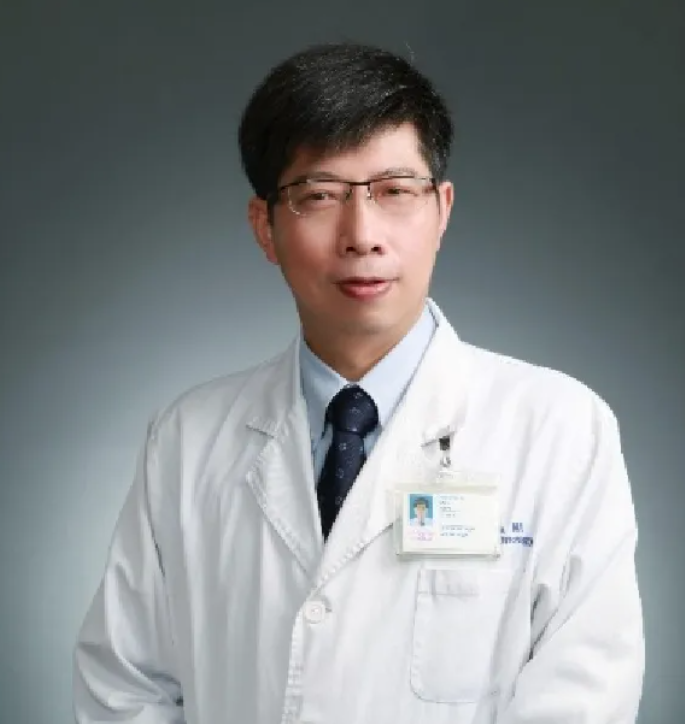
Fudan University Shanghai Cancer Center
Chief Physician, Doctoral Supervisor, Chief Expert of Gynecologic Oncology MDT
Medical Expertise: Specializes in surgery, chemotherapy, targeted therapy, and biological therapy for malignant gynecological tumors (ovarian cancer, cervical cancer, endometrial cancer, vulvovaginal cancer, etc.). He pioneered the Abdominal Radical Trachelectomy (ART) in China, preserving fertility in young patients with early-stage cervical cancer. His innovative surgical techniques led to the establishment of the "Fudan Criteria," which have been cited and recommended by the NCCN Guidelines since 2015. He established a "whole-process management model for ovarian cancer," achieving internationally advanced levels in R0 resection rates and 5-year overall survival for advanced ovarian cancer.
Academic Appointments: Executive Director of the Integrated Gynecologic Oncology Committee of the China Anti-Cancer Association (CACA); Chairman of the Ovarian Cancer Committee of CACA; Chairman of the Gynecologic Oncology Committee of the Shanghai Anti-Cancer Association; Vice Chairman of the Integrated Surgical Treatment Committee of CACA; Standing Director of CACA and the Shanghai Anti-Cancer Association; Council Member of the Chinese Society of Clinical Oncology (CSCO); Standing Committee Member of the CSCO Gynecologic Cancer Committee; Former International Committee Member of the International Gynecologic Cancer Society (IGCS) and candidate for Asia-Pacific Regional Director; Education Committee Member of the Society of Gynecologic Oncology (SGO); Visiting Professor at the Department of Obstetrics and Gynecology, Feinberg School of Medicine, Northwestern University, USA.
Research: Principal Investigator for over 40 national and provincial research grants. Led over 60 domestic and international multi-center clinical trials as PI, covering PARP inhibitors, angiogenesis-targeted therapies, tumor immunotherapy, and molecular markers. Led the compilation of the Chinese versions of the NCCN Guidelines for Gynecologic Cancers and the CACA Guidelines for Integrated Diagnosis and Treatment of Gynecologic Tumors. Published over 200 SCI papers in journals such as Lancet Oncologyand Annals of Oncology. Editor-in-Chief/Translator of two monographs: Fertility-Sparing Surgery for Cervical Cancerand Practical Gynecologic Oncology. Holds 12 invention patents.
Awards & Honors: Shanghai Leading Talent, Shanghai Outstanding Academic Leader, Fudan University "Top Ten Medical Workers." Received the Gold Award for Outstanding Inventions in Shanghai. First-place winner of the CACA Science and Technology Award, Third Prize of the Chinese Medical Science and Technology Award, First and Second Prizes of the Shanghai Anti-Cancer Science and Technology Award, and Third Prize of the Shanghai Medical Science and Technology Award.
Editor:Maye