
Recently, the 38th Annual Congress of the International Society for Gynecologic Endoscopy (ISGE) was held in Algiers, Algeria. The event gathered top global experts in the field of gynecological minimally invasive surgery to discuss cutting-edge technologies and women’s health protection. Obstetrics and Gynecology Network keeps track of the latest international academic trends, focusing on hot topics including fertility preservation for cervical cancer and minimally invasive medical innovations. It delivers on-site coverage of the latest achievements by Chinese specialists, spreads China’s academic voice, and facilitates in-depth exchanges and collaborative development across the global obstetrics and gynecology community.
At the annual conference, under the leadership of Professor Wang Jianliu from Peking University People’s Hospital, the Alliance of Tumor-Fertility Preservation (ATFP) was officially established jointly with leading experts from multiple countries worldwide. This marks that the global oncofertility field has entered a new era of multinational cooperation, safeguarding the fertility aspirations of young cancer patients across the globe.
Focusing on the cutting-edge highlights of the ISGE Annual Congress, Obstetrics and Gynecology Network conducted an exclusive in-depth interview with Professor Wang Jianliu to discuss new development trends in obstetrics and gynecology discipline.
OBGY Network:Professor Wang, at ISGE 2026, you delivered a keynote speech on the application of gynecological endoscopy in the diagnosis and fertility-sparing treatment of endometrial cancer, and also chaired the oncology sub-session. Could you elaborate on the academic value and clinical significance of this research direction for the development of global gynecologic oncology?
Professor Wang Jianliu:We are promoting the transformation of hysteroscopic and laparoscopic minimally invasive techniques from mere surgical tools into a core system integrating early precise diagnosis and fertility-sparing treatment. We have established standardized criteria for accurate lesion assessment under endoscopy, providing high-quality Chinese clinical evidence for the formulation of global guidelines on fertility-sparing therapy.
It boosts interdisciplinary integration of gynecologic oncology, minimally invasive endoscopy and reproductive medicine, leading the paradigm shift of gynecologic oncology from traditional radical resection to precise individualized organ-preserving and fertility-sparing treatment.
This treatment approach enables young patients with early low-risk gynecological tumors to retain reproductive organs and fertility, fulfilling their dream of becoming mothers. Featuring minimal trauma and rapid postoperative recovery, hysteroscopy and laparoscopy significantly reduce treatment-related risks and improve patients’ long-term survival benefits. More importantly, it accelerates the shift of global gynecologic oncology philosophy from tumor-centered care to patient-centered care, balancing radical tumor treatment, fertility preservation and quality of life.
OBGY Network:As a leading scholar in this field domestically, you have accumulated rich experience in endoscopic diagnosis and fertility-sparing management of endometrial cancer. What remarkable achievements has China made in the clinical application and research of this technology, and what groundbreaking benefits have been brought to young patients?
Professor Wang Jianliu:
Core Achievements
Pioneered the innovative 4R fertility-sparing concept and therapeutic regimensWe proposed the 4R principle for endometrial cancer treatment: Reverse tumor progression, Retain organs, Restore physiological functions, Realize fertility. This has shifted the mainstream treatment model from radical surgery to organ function preservation. We also created the "one anti-hormone plus three reduction therapies" regimen (progesterone anti-estrogen combined with hypoglycemic, lipid-lowering and antihypertensive interventions), raising the complete response rate of fertility-sparing treatment to approximately 90%.
Optimized hysteroscopic techniques for early endometrial cancer fertility-sparing treatmentWe formulated the standardized 5+X cold-knife biopsy hysteroscopic diagnostic criteria for fertility-sparing management of early endometrial cancer, innovated submucosal drug administration under hysteroscopy, and developed intrauterine drug delivery devices to enhance diagnostic accuracy and local therapeutic efficacy.
Established precise screening criteria for low-risk fertility-sparing candidatesBy integrating multi-dimensional evaluations including imaging examinations, hysteroscopic biopsy and molecular subtyping, we can accurately screen eligible patients for fertility-sparing therapy, ensuring oncological safety and markedly lowering recurrence risks.
Accumulated large-sample clinical evidenceWe have completed over a thousand cases of fertility-sparing treatment, and verified the efficacy and safety of Chinese therapeutic strategies via real-world large-sample clinical data.
Built a full-cycle multidisciplinary team (MDT) management modelWe unite specialists from gynecologic oncology, endocrinology, minimally invasive endoscopy, reproductive medicine, pathology and imaging departments to conduct individualized assessment, targeted treatment and whole-cycle patient management.
Groundbreaking Benefits for Patients
Successful preservation of fertility: Reproductive-age patients can achieve natural conception or successful pregnancy via assisted reproductive technology after treatment, breaking the dilemma that cancer treatment inevitably leads to permanent infertility.
Balanced long-term survival and quality of life: Through strict patient selection, standardized endoscopic treatment and rigorous follow-up, we achieve triple clinical advantages: preserving fertility, safeguarding physical health and maintaining satisfactory quality of life.
OBGY Network:Based on global academic frontiers and domestic clinical practice, what key research directions deserve further exploration for gynecological endoscopic technology in fertility-sparing treatment of gynecological tumors? What are your prospects for academic development in this field both in China and worldwide?
Professor Wang Jianliu:
Key Research Directions for the Future
Integrated endoscopic and molecular precision diagnosis and treatmentCombine direct hysteroscopic pathological biopsy, non-invasive cytological screening and genetic testing to realize precise early diagnosis, risk stratification and therapeutic effect monitoring, so as to formulate personalized fertility-sparing regimens.
Reproductive function optimization after fertility-sparing treatmentExplore postoperative endocrine maintenance strategies, optimal pregnancy timing and combined application of assisted reproductive technologies to further elevate pregnancy rates and live birth rates.
Expand applicable scope of endoscopic fertility-sparing therapyStudy the feasibility of endoscopic fertility-sparing treatment for young patients with moderately low-risk and well-differentiated endometrial cancer to benefit more patient groups.
Research on long-term prognosis and quality of lifeCarry out large-sample long-term follow-up studies to assess tumor recurrence risks, pregnancy outcomes and patients’ mental health, and improve long-term management protocols for fertility-sparing treatment.
Academic Development Prospects
Domestic Perspective
We will continuously revise and improve Chinese clinical guidelines for endoscopic fertility-sparing treatment of endometrial cancer, promote standardized professional training and popularize advanced medical technologies in grassroots medical institutions to benefit more young female patients. Meanwhile, more multi-center prospective clinical studies will be launched to generate original Chinese academic evidence and drive disciplinary development nationwide.
Global Perspective
China has taken a leading international position in endoscopic fertility-sparing treatment for endometrial cancer. In the future, we will continuously share Chinese clinical experience and standardized treatment protocols, participate in the formulation of international medical guidelines, boost global progress in concepts and technologies of fertility-sparing gynecologic oncology, and contribute Chinese wisdom and strength to safeguarding the health and well-being of young female tumor patients worldwide.
In this exclusive interview, Professor Wang Jianliu systematically summarized China’s solid strengths in endoscopic fertility-sparing treatment for gynecological tumors, demonstrating China’s outstanding academic competence and humane clinical care, as well as his sense of responsibility and global academic influence as a leading discipline expert.
Looking ahead, we will further integrate endoscopic technology with molecular precision medicine for innovative breakthroughs on the basis of international research frontiers. Domestically, we will deepen clinical practice, popularize standardized treatment protocols and advance medical technology outreach, leading the global gynecologic oncology field to truly shift from tumor-oriented treatment to people-oriented medical care, and protect more women’s life quality and fertility hopes.
Expert Profile
Wang Jianliu
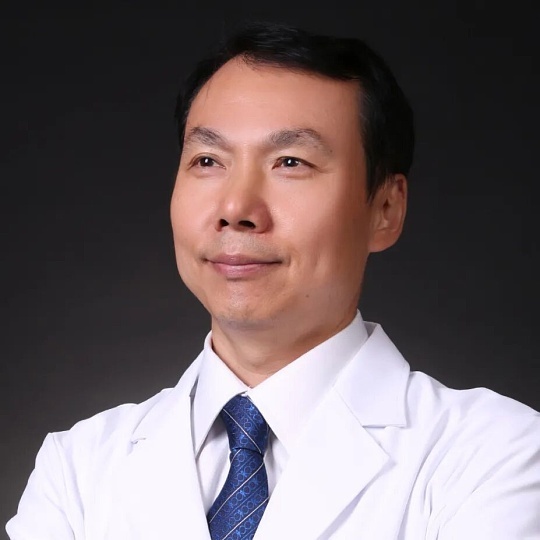
- Executive Director & China Chapter Chair, International Society for Gynecologic Endoscopy (ISGE)
- Vice President, China Population Association
- Vice President, China Maternal and Child Health Care Association
- Vice Chairman-elect, Gynecologic Oncology Branch of Chinese Medical Association
- Vice Chairman-elect, Fertility Preservation Branch of Chinese Preventive Medicine Association
- Chairman, Obstetrics and Gynecology Committee of Chinese Research Hospital Association
Chairman, Gynecologic Oncology Committee of Beijing Medical Association